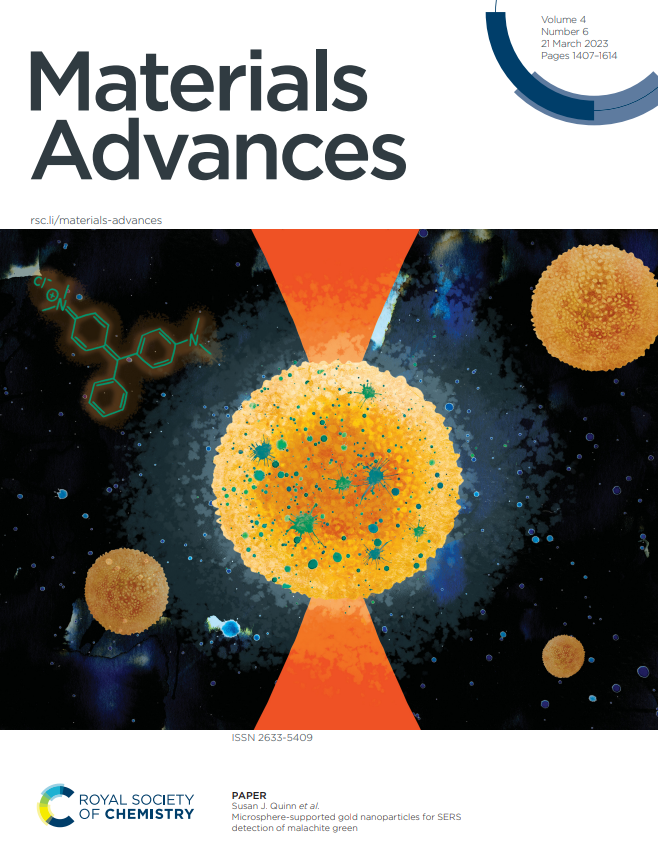
The researchers performed spectroscopy studies in the CLF Octopus facility using optical trapping and measuring the uptake of the trace chemical. Here, an effect called surface enhanced Raman spectroscopy (SERS) aided the detection process.
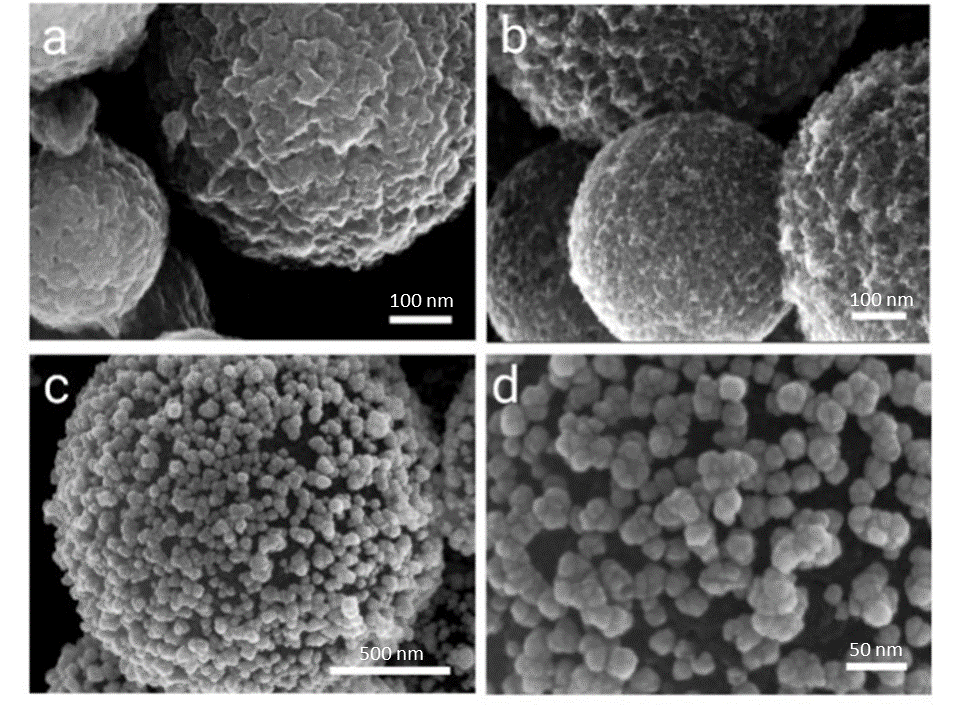
SERS is a technique that enhances Raman scattering by having molecules absorbed on rough metal surfaces or using nanostructures. The Raman scattering is enhanced enough that very low concentrations may be detected, which is something normal Raman scattering cannot achieve. Dr Susan Quinn investigated one such substrate: porous carbon microspheres with high loadings of gold nanoparticles.
This research is intended to allow the development of SERS probes to report on biological environments. These probes have potential applications across biomedical fields, ranging from seeking to make radiation therapy more effective to cellular imaging.
Dr Quinn’s research was featured on the front cover of Materials Advances, featuring an illustration created by CLF Impact and Engagement Officer Helen Towrie.
Find out more by reading the publication in Materials Advances.