About us

A global leader in laser science, the Central Laser Facility (CLF) is supporting scientists from academia and industry to advance our fundamental understanding and tackle pressing societal challenges impacting health, security, energy and climate change.

Innovating since 1977

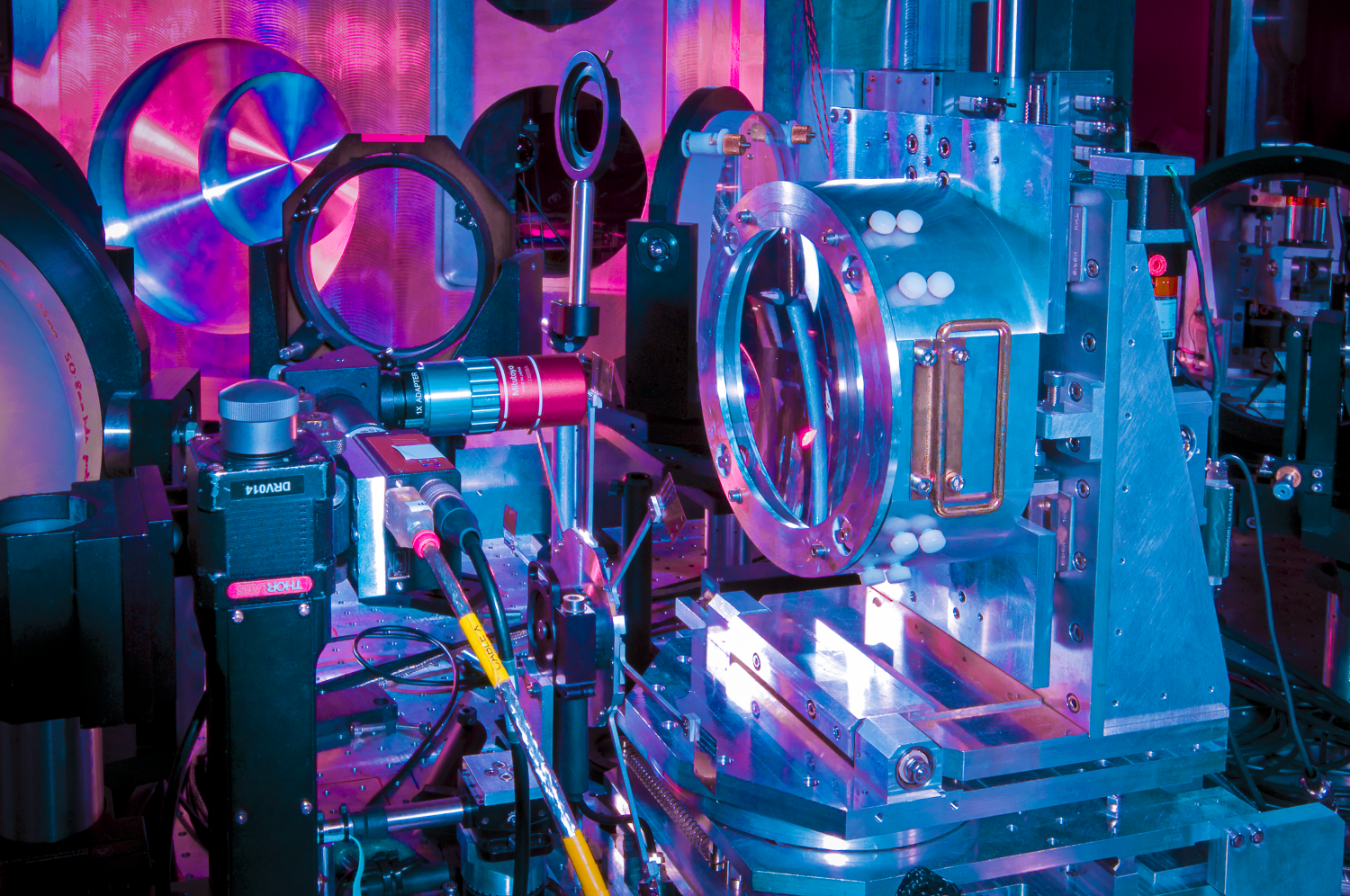
We are one of the world’s leading laser facilities for inter-disciplinary science and innovation, home to some of the most powerful lasers in existence.

We are internationally recognised as a centre of excellence for research using intense lasers, with scientists from the UK, Europe and further afield using the CLF to conduct world-class research every year.

Based at the Rutherford Appleton Laboratory (RAL) on Harwell Campus, the CLF is part of the Science and Technology Facilities Council (STFC).

What we do

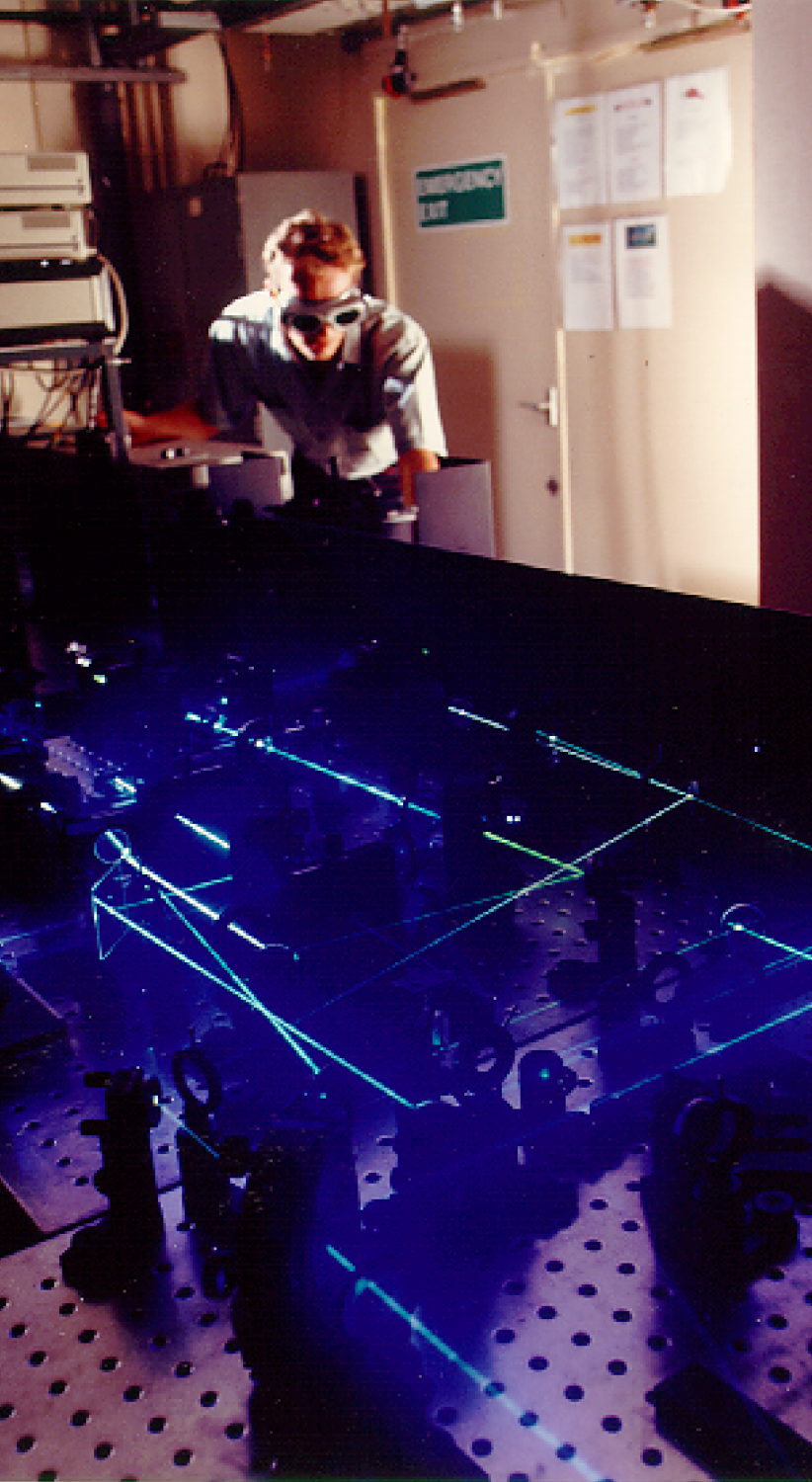
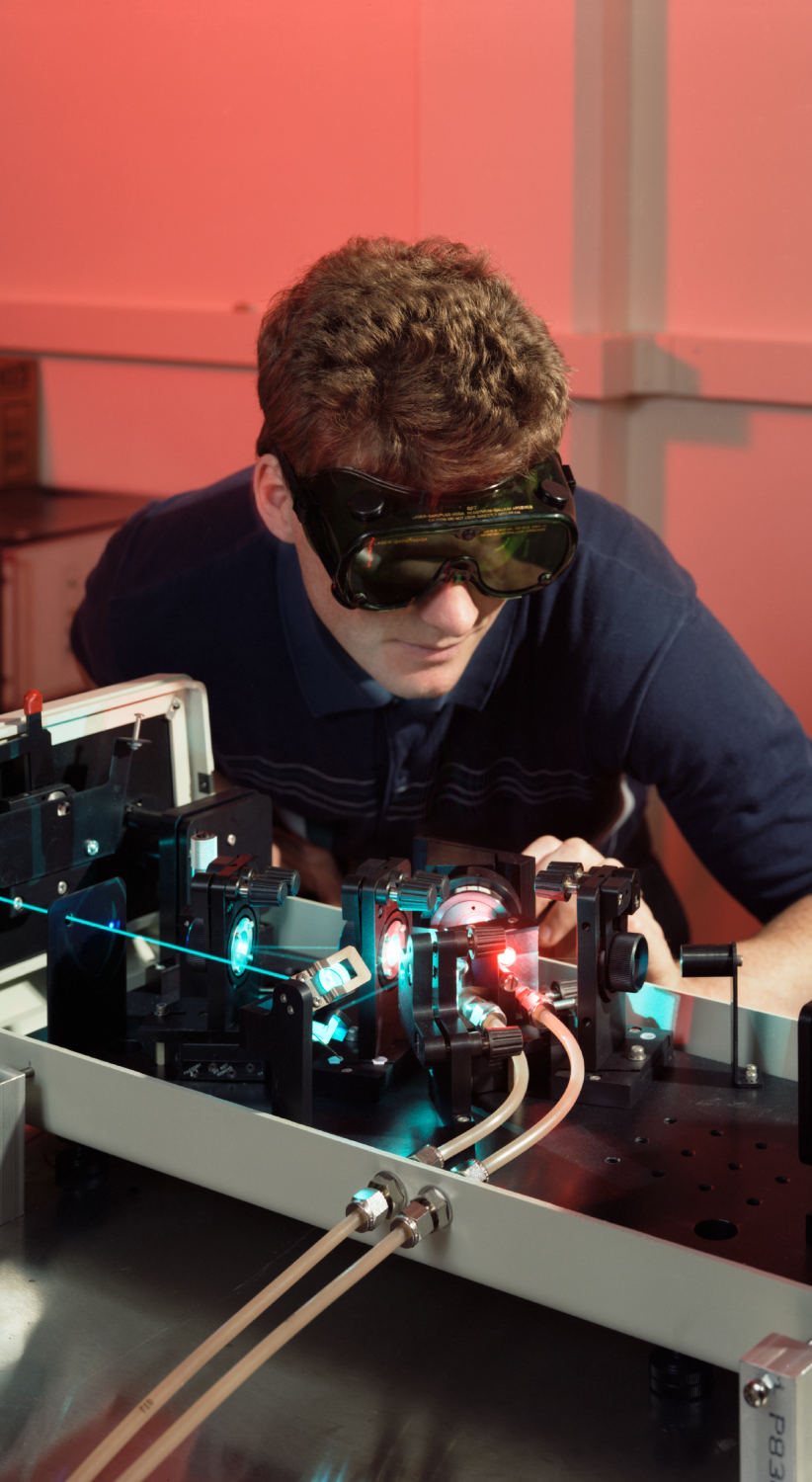
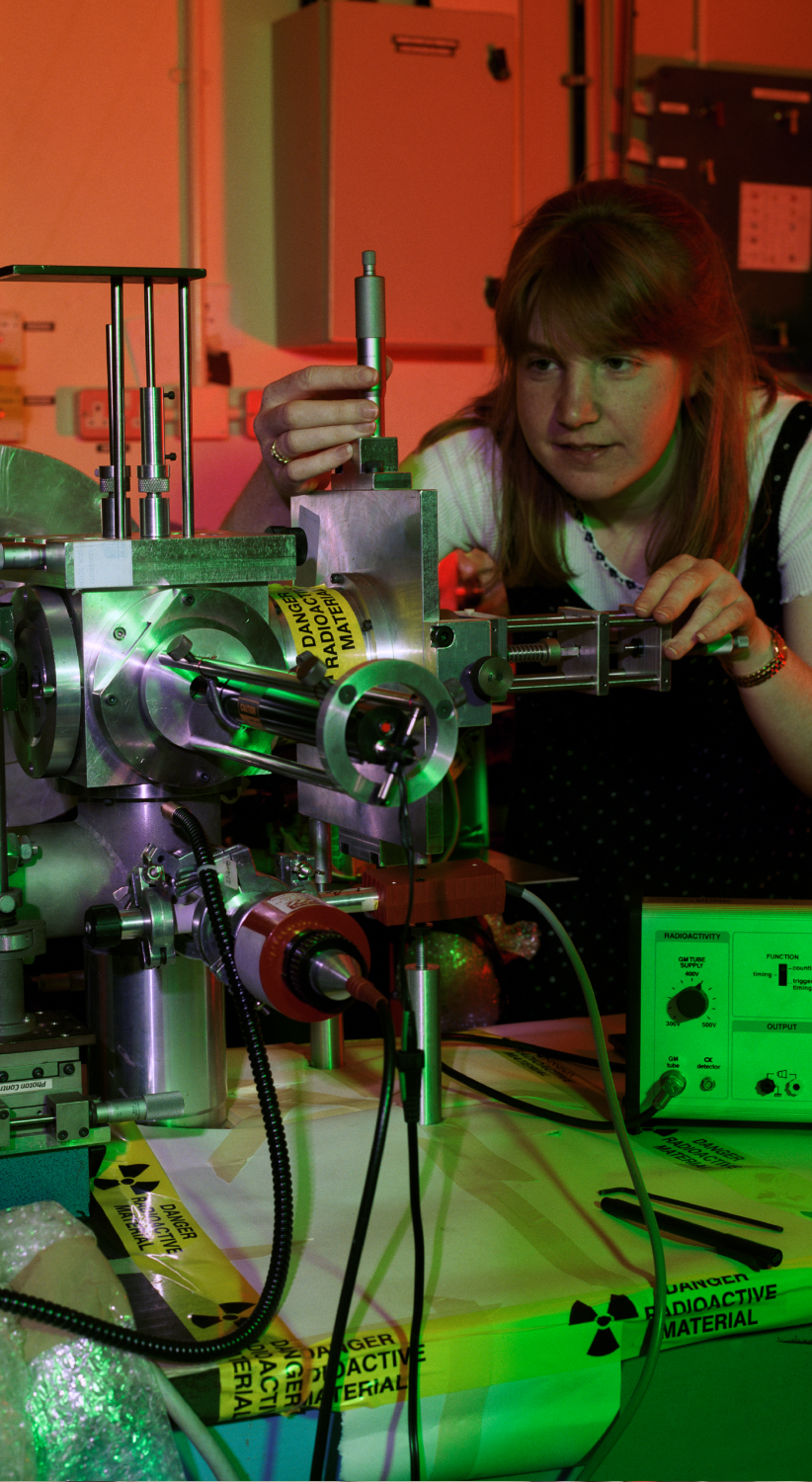
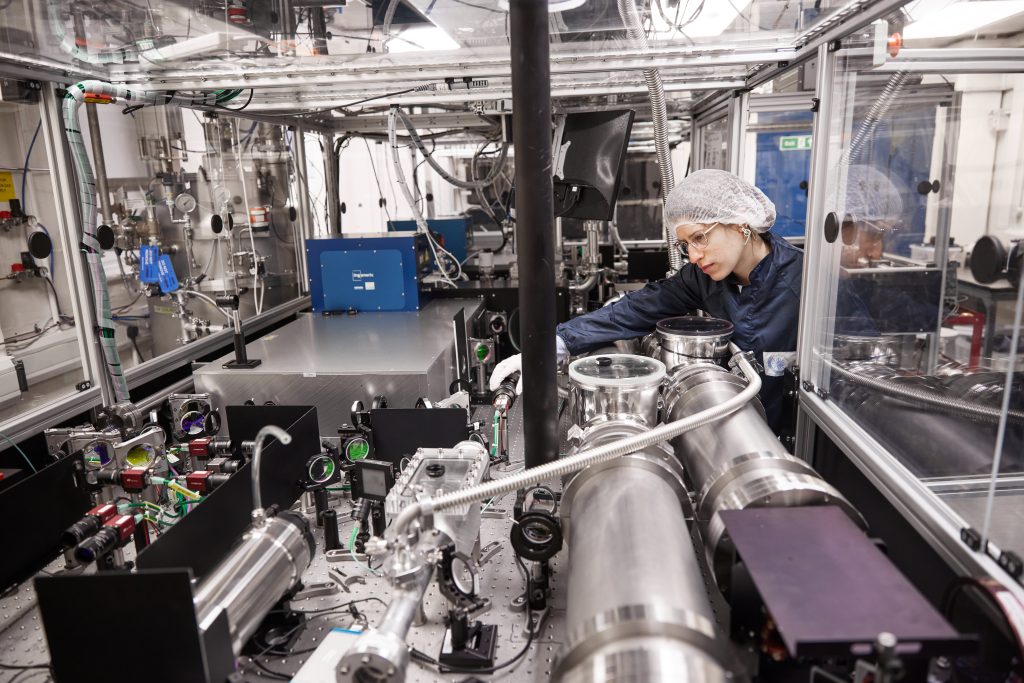
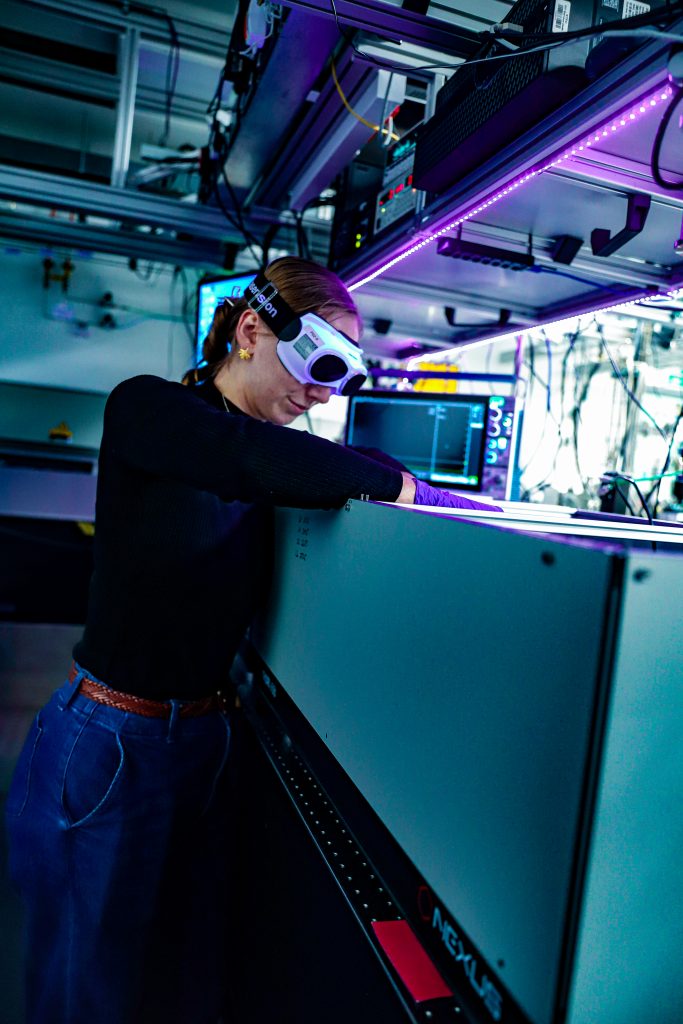
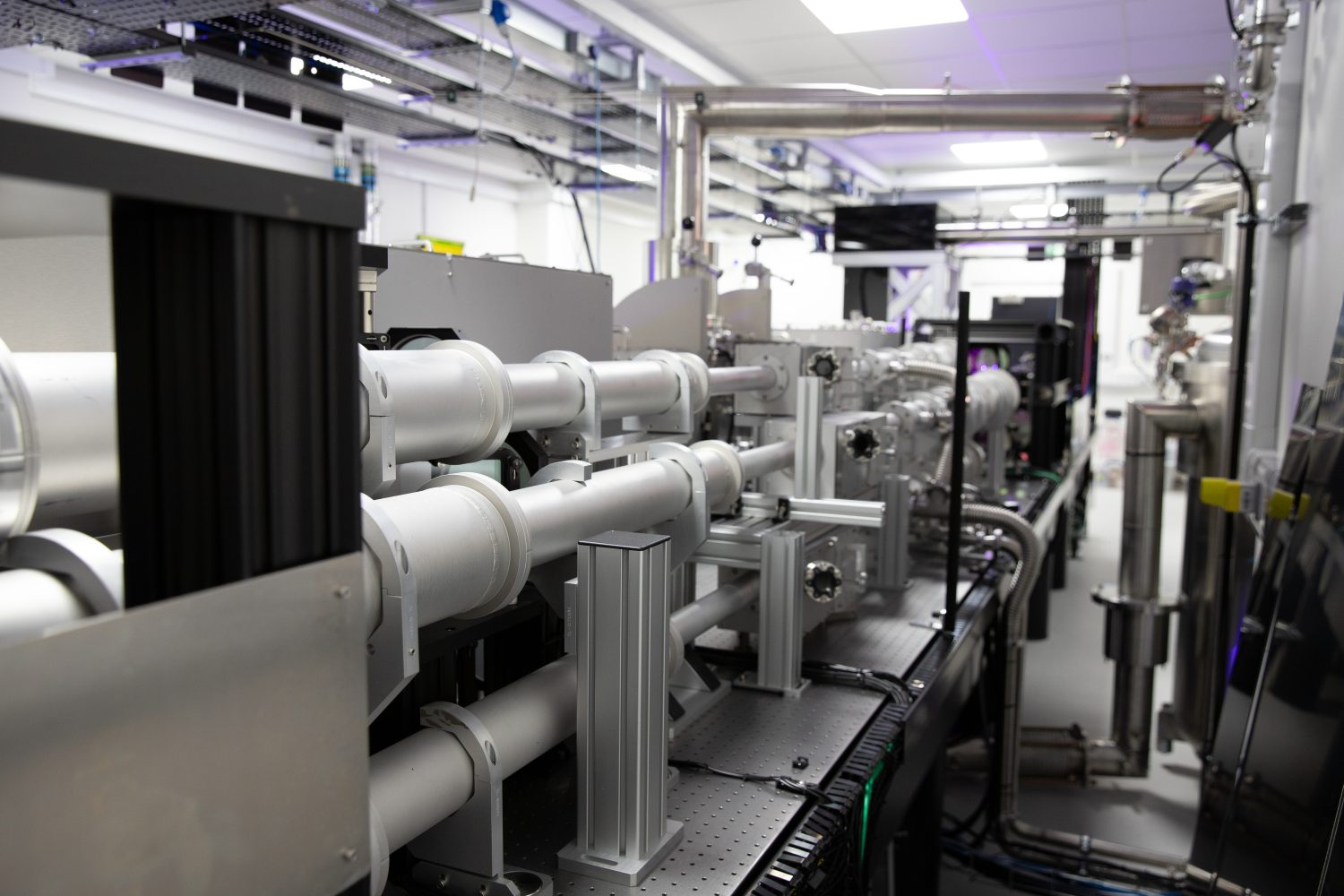
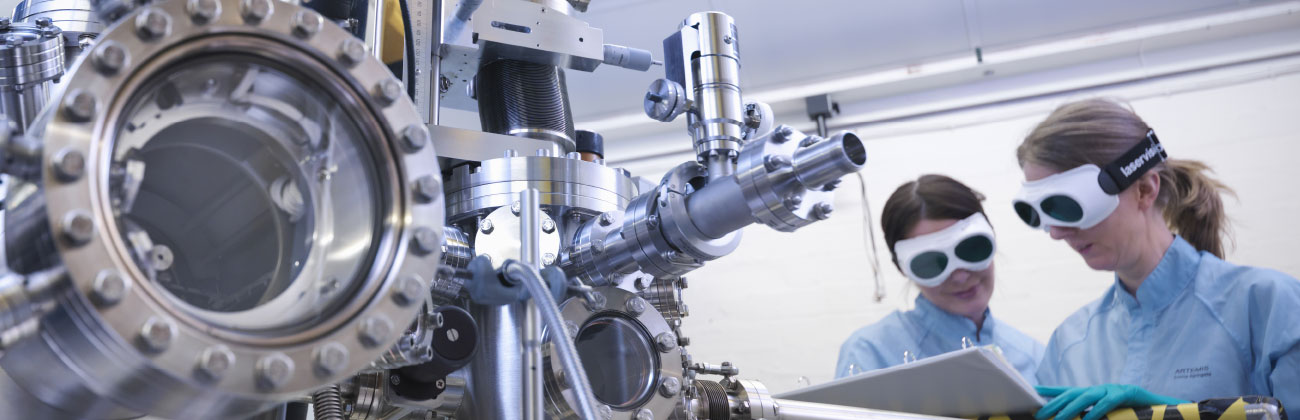
We develop and operate large-scale laser facilities that allow visiting scientists to conduct a broad range of research in physics, chemistry and biology.

This includes experiments in accelerating subatomic particles to high energies, probing chemical reactions on the shortest timescales, and studying biochemical and biophysical processes critical to life itself.

UK industries can leverage CLF expertise and technologies to enhance internal research and development, leading to improved production techniques and products.

Our story

1974

A collaborative idea forms

Seeing a need for laser science facilities, the UK academic community comes together to propose a single, central laser infrastructure that they can share. They argue that this would enable a more advanced and capable infrastructure for the UK compared to spending an equivalent sum on lesser capabilities at numerous universities, thereby giving us collectively an international edge. This is approved in 1975.

1977

The CLF begins

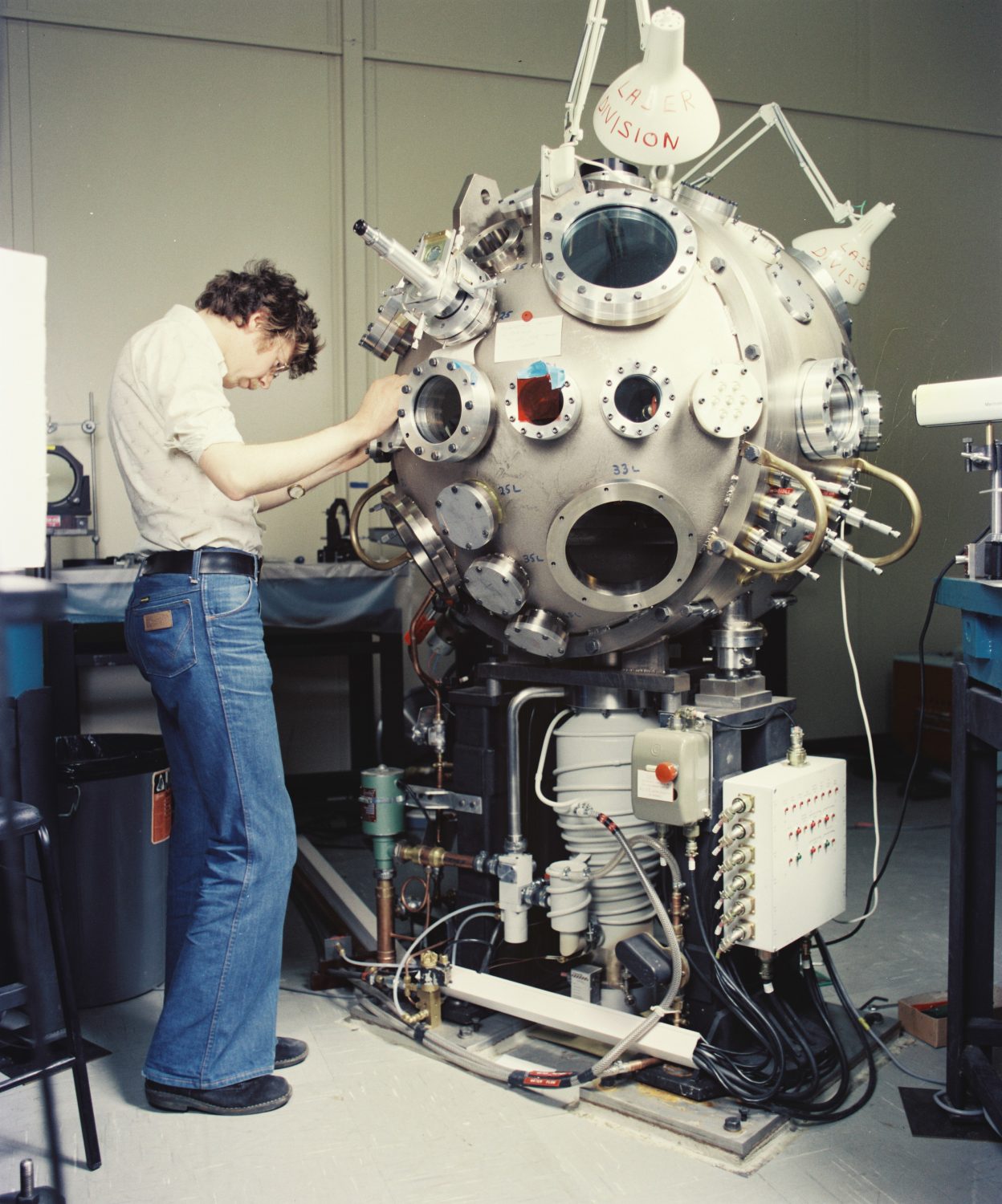
A budding laser facility in the heart of Oxfordshire fires its flagship laser’s first full-power shot on 28th April. The Central Laser Facility is officially inaugurated on Monday 20th June 1977.

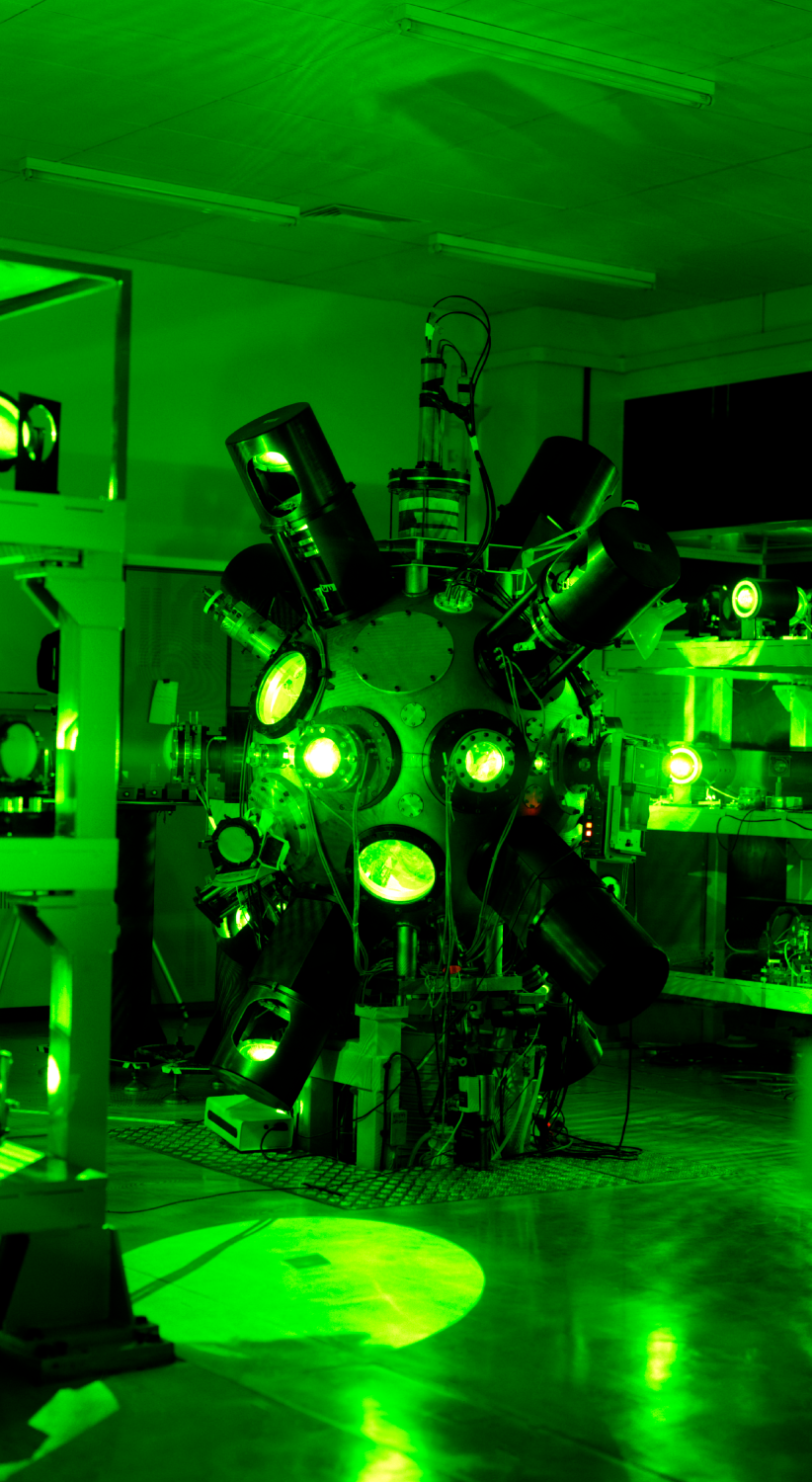
A person in 70’s attire stands working on a spherical metal chamber about the side of an exercise ball. The chamber is mounted onto a table and ha many round port holes.

1979

Expansion

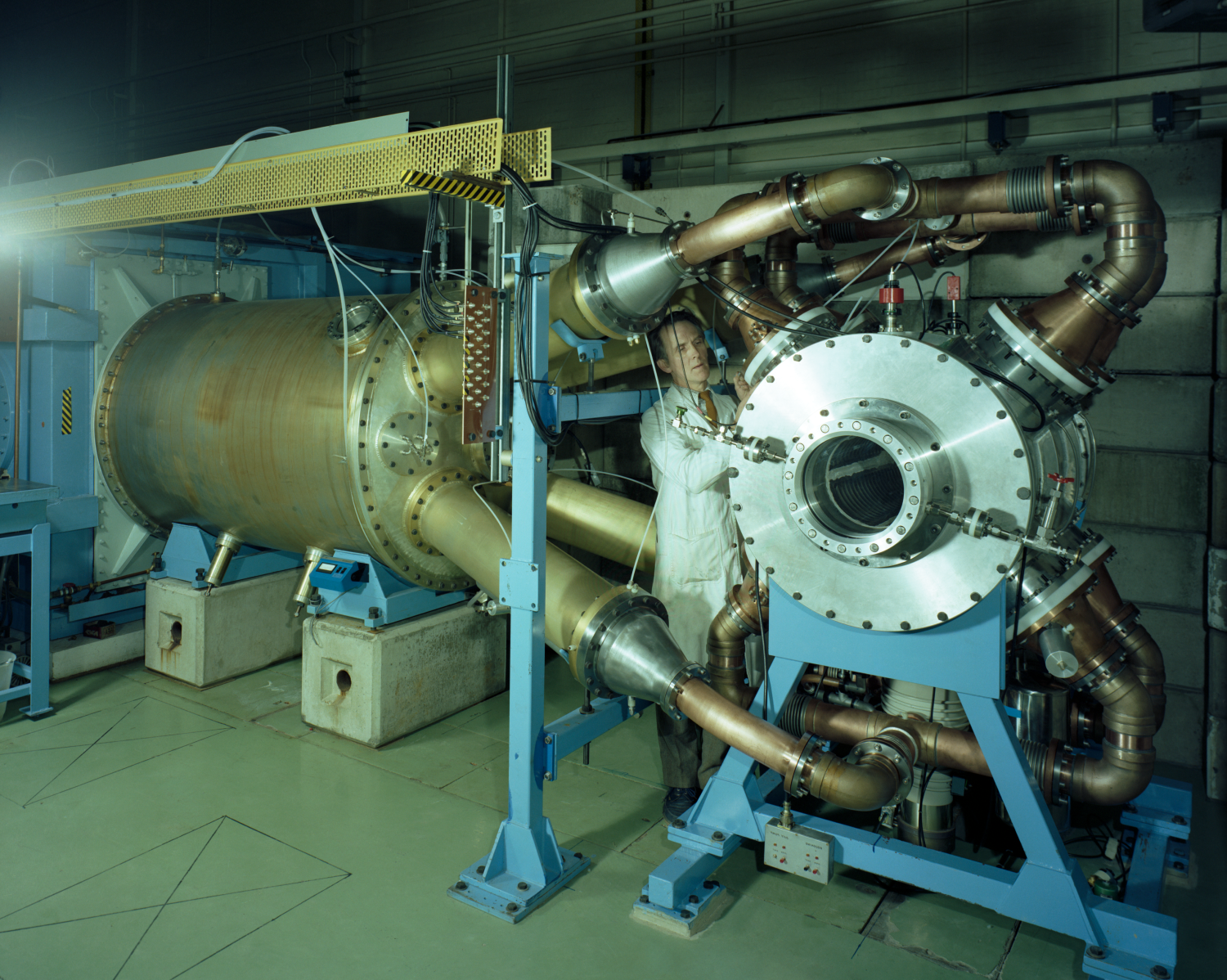
Electron-beam Laser Facility (ELF) is commissioned, which can be used to generate an ultraviolet laser. It is the first pulsed-power excimer laser in the world.

1980

Vulcan becomes a world-leading facility

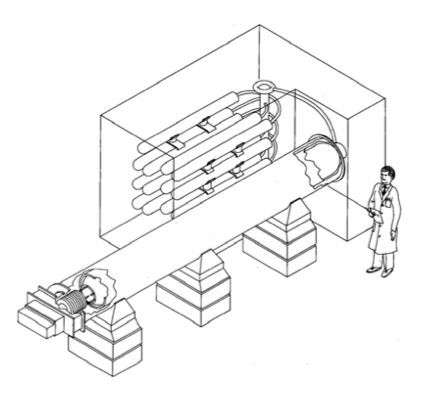
Vulcan is upgraded to deliver up to six beams onto targets for exploring heating and compression of matter for fusion applications. This provides a world-leading facility that underpins the global research effort for laser-driven fusion as a future energy source.

1981

Software development

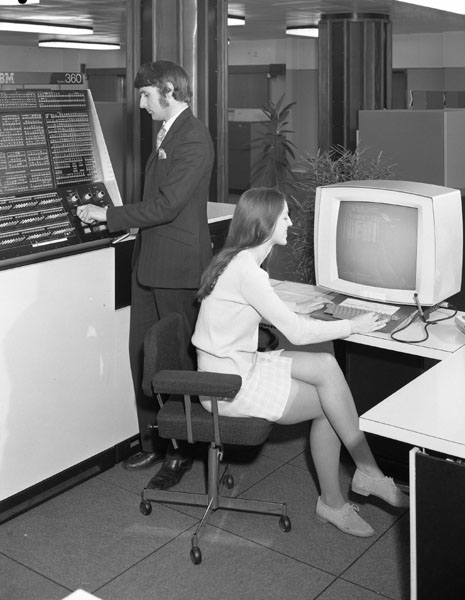
To optimise the design of the successor to ELF, known as Sprite, a computer model is developed and runs on the IBM 360 computer, the Rutherford Laboratory's first supercomputer.

1982

In May 1982, Sprite, krypton fluoride laser, begins operations. It is the highest-powered laser of its kind and is used to develop the next generation of gas-laser technology and bright X-ray sources.

1983

LSF launches

Circa 1983, the CLF’s Laser Support Facility (LSF) is set up, allowing users to conduct a range of chemistry and biology experiments. This would later become the Lasers for Science Facility, under the same acronym.

1984

Global reach and beyond

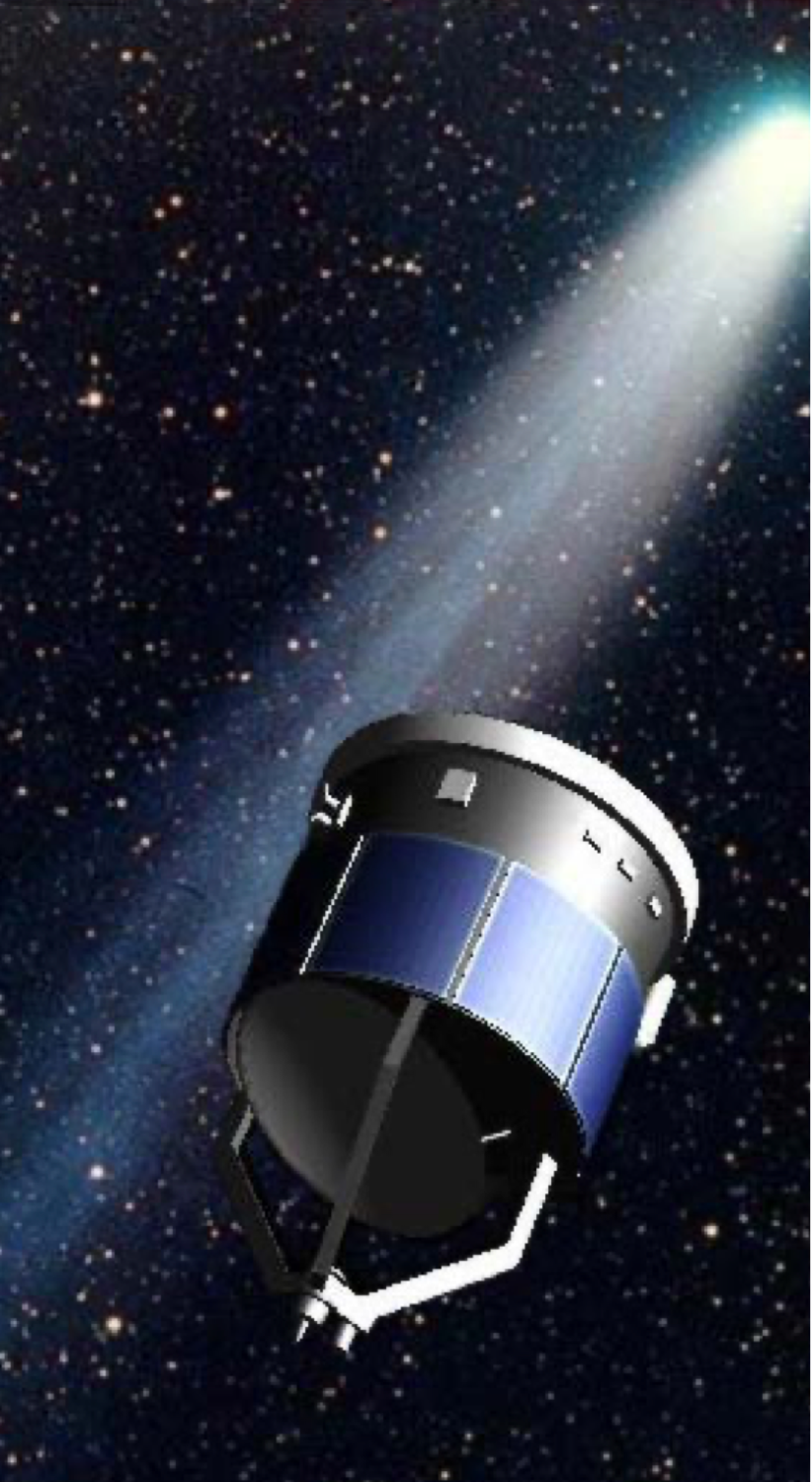
CLF spin-out company Exitech launches, which quickly grows to supply high quality systems to global brands like Sony. Sprite is used to calibrate the dust sensor for the Giotto space probe mission to Halley’s comet.

1985

 Laser Loan Pool begins

The Laser Loan Pool begins lending lasers to UK universities to use at their home institutions, underpinned by scientific and technical support, to enable new research.

1990

New laser systems acquired

The CLF acquires new laser systems to reinforce its leadership in UV and X-ray laser science, including an extreme UV/X-ray station that was used for the first irradiation of cells for DNA damage and repair studies in the CLF, and flash spectroscopy that can run at a trillionth-of-a-second. 

1996

New power levels reached

The CLF develops the pioneering technique of Optical Parametric Chirped-Pulse Amplification (OPCPA), which enables high-power lasers to break the one-petawatt ceiling and reach new, higher power levels. Titania, the successor to Sprite, opens on 2nd April 1996. It provides the highest brightness and shortest pulse of any high-power UV laser in the world.

1997

Astra is born

The Astra high power laser opens for exploring intense laser matter interactions and the physics of extreme energy densities. This laser will eventually become the building block for Gemini.

1999

New science made possible

The Pirate project launches, revolutionising tunable lasers for studying chemical and biological events on the trillionths-of-a-second timescale. Researchers use Vulcan to generate highly energetic and directional gamma beams that can image through very dense objects with high resolution, opening up a world of new applications.

2000

Tractor beams

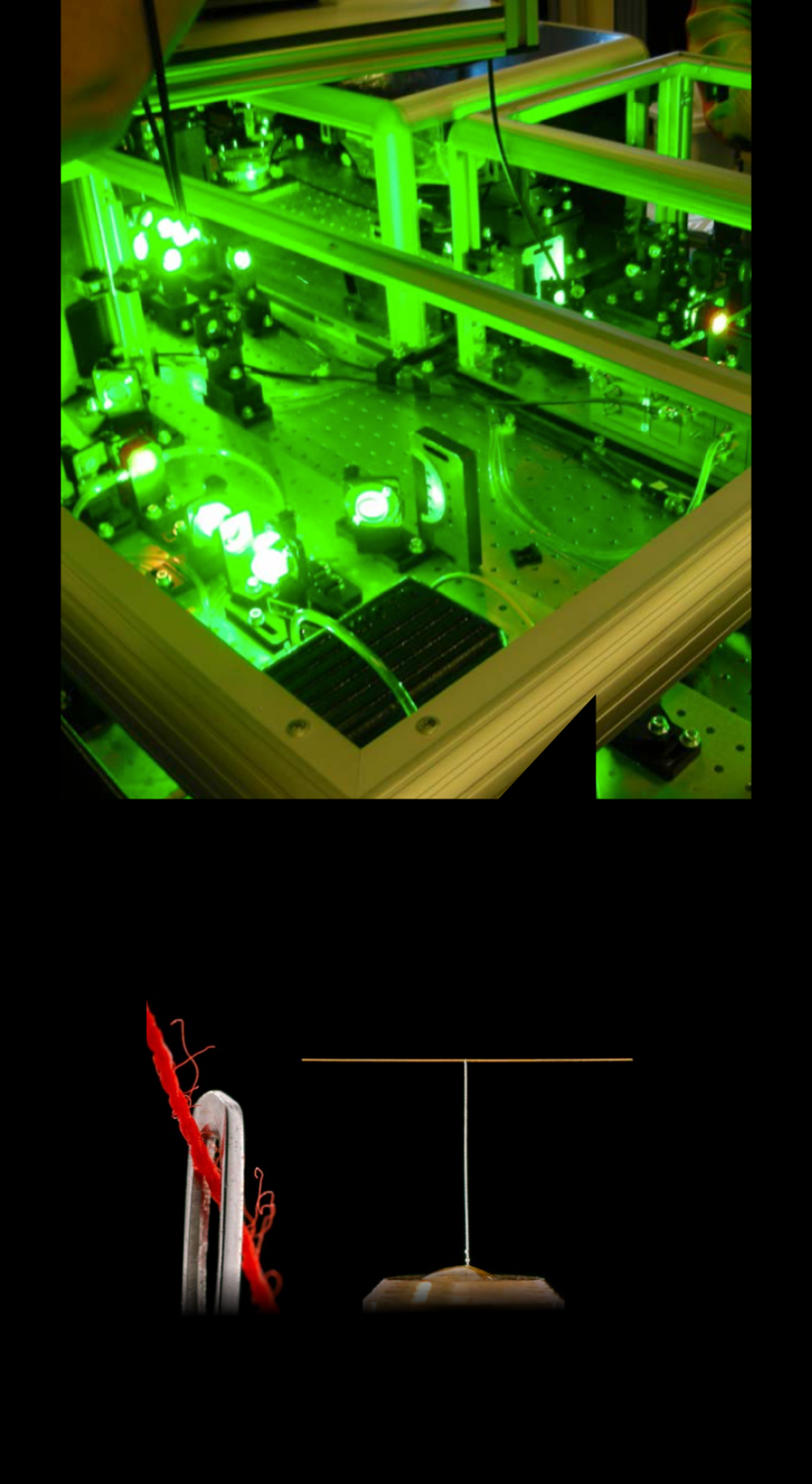
By 2000, the CLF establishes a laser tweezers lab, where small objects like cells can be grabbed, moved around, and held mid-air using lasers.

2001

Spin-out company: L3 Technology

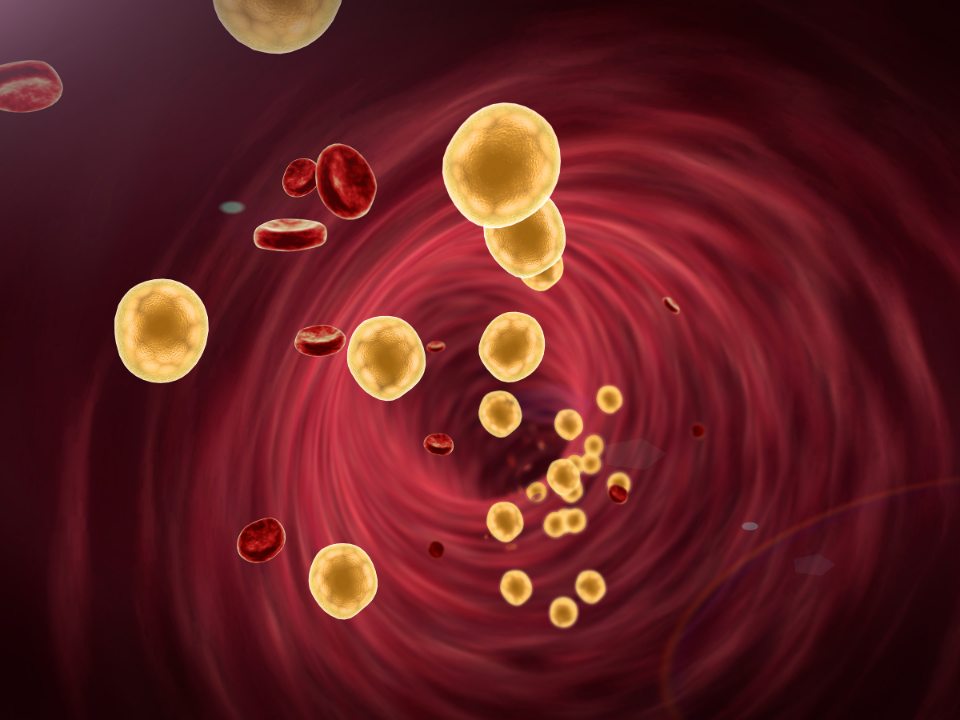
The CLF creates a spin-out company, called L3 Technology Ltd, to develop medical applications for an optical spectroscopy technique that can be used to tell good cholesterol from bad. This company ran for nearly 20 years.

2002

Vulcan upgraded to petawatt-class

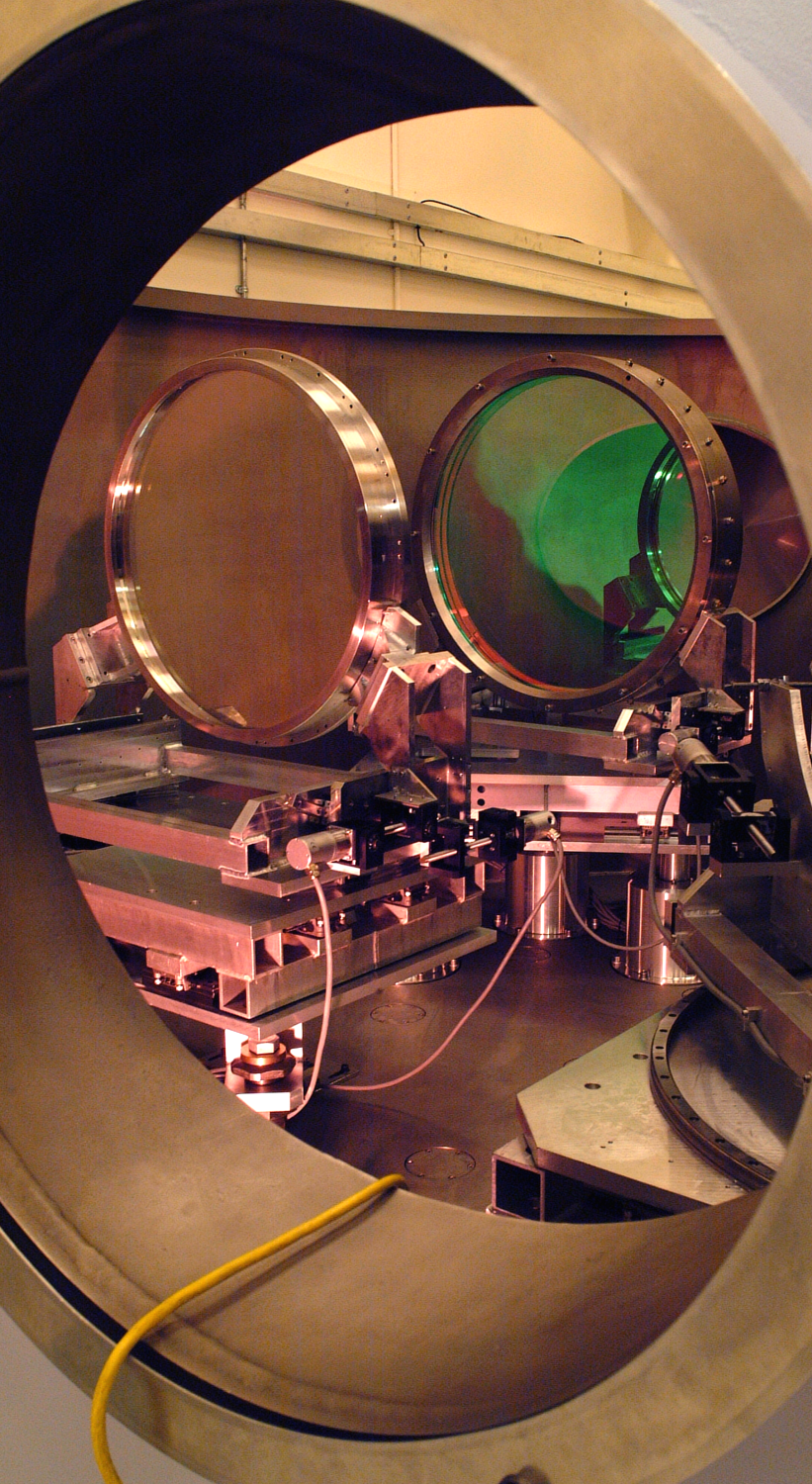
Vulcan is upgraded, adding an additional beamline at the petawatt level, delivering 10,000 times more power than the UK's national grid in a single flash (pulse) of infrared light.

2004

World's first 'Dream Beam'

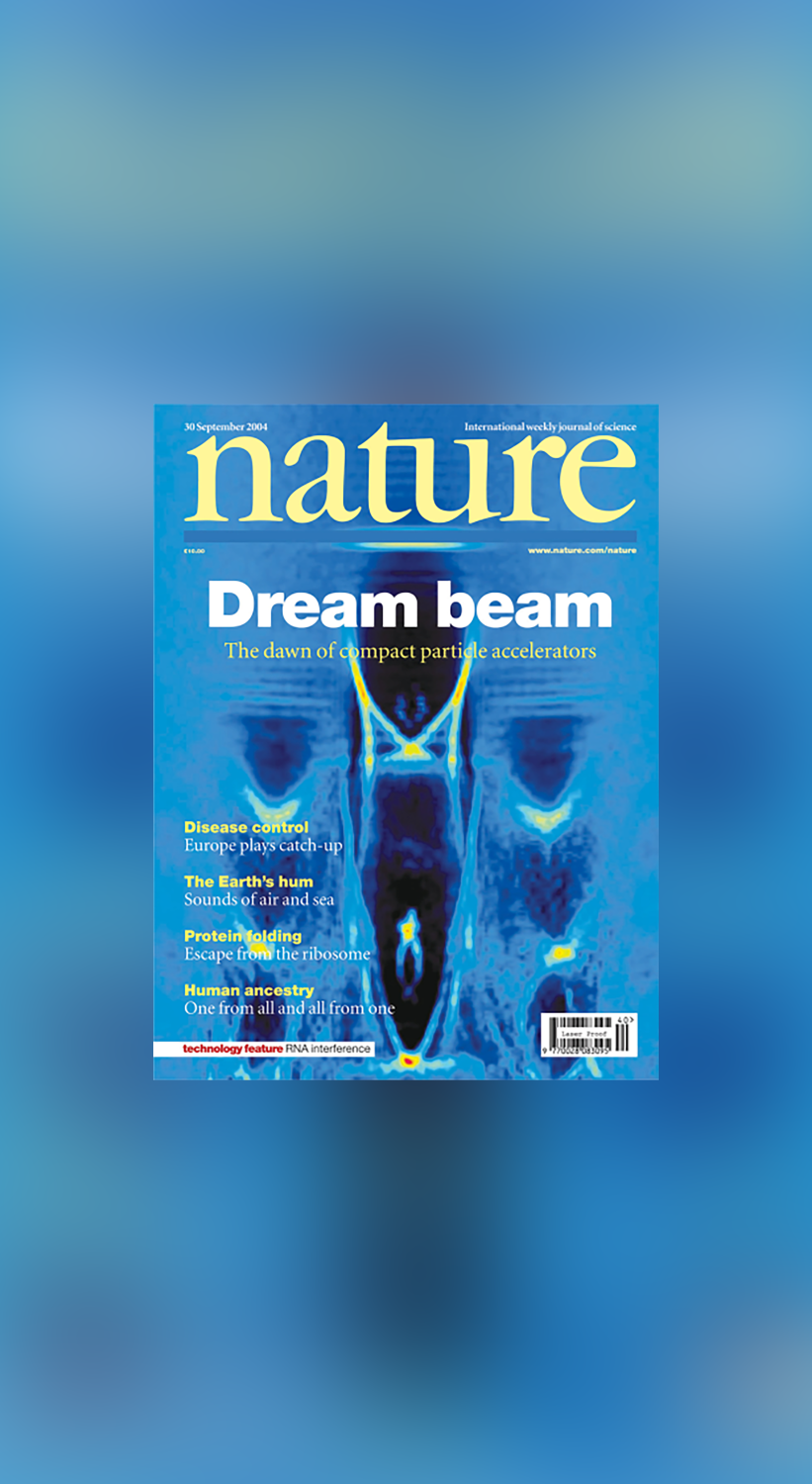
Using the Astra laser, UK researchers demonstrate the world's first high-quality, high-energy electron beams by driving the laser into a puff of supersonic gas. This makes the front cover of the scientific journal Nature, which dubs Astra the 'dream beam' and is currently the CLF's most highly cited paper.

2005

Patented inventions and Guinness World Records

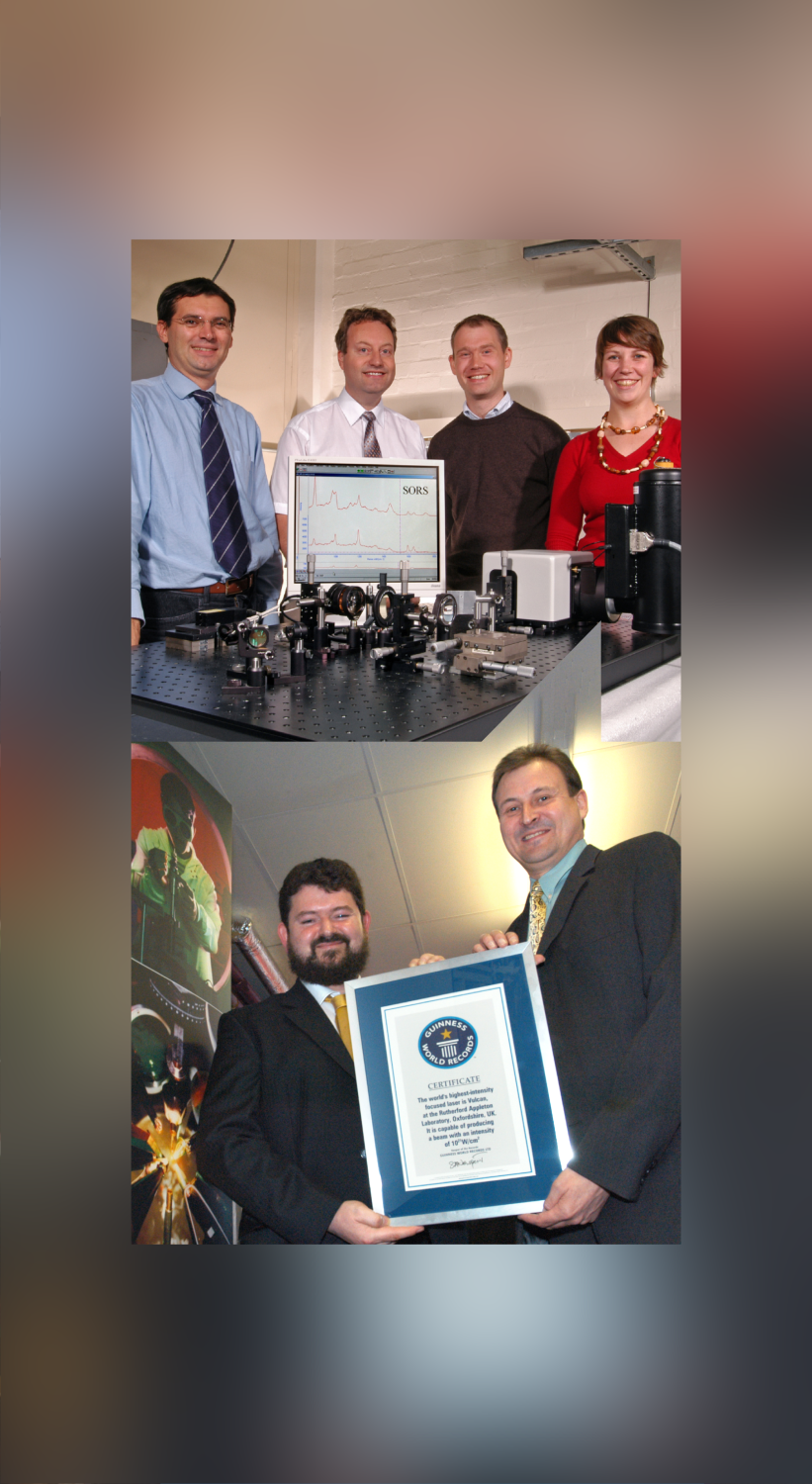
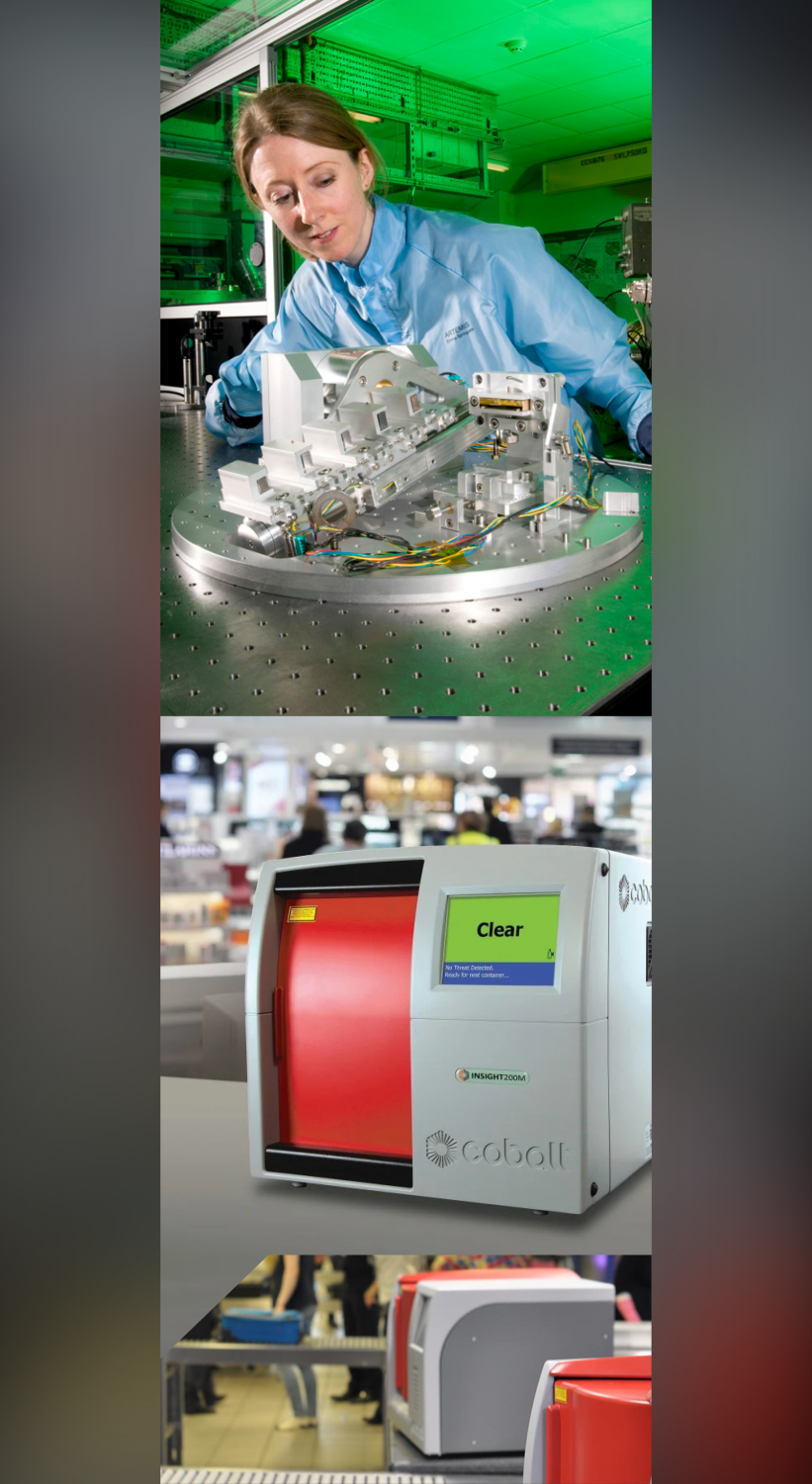
The Guinness Book of World Records certifies Vulcan as the world's most intense laser, and CLF scientists invent and patent a technique called Spatially Offset Raman Spectroscopy (SORS), which can “fingerprint” exactly what is inside an object without cutting or damaging it.

2007

Gemini laser opens

The Astra laser is upgraded to become the Gemini laser, making the CLF the first facility in the world to provide a dual-beam system of high power, super-intense light.

2008

Artemis facility opens and the CLF spins out Cobalt Light Systems

The Artemis facility opens, providing ultra-short, coherent flashes of extreme UV. This allows researchers to create movies of electrons moving within molecules and 2D materials such as graphene. Cobalt Light Systems spins out, utilising the patented CLF invention, SORS. You are likely to have come across SORS scanners whilst in airport security without realising!

2009

Ultra opens and the CLF spins out Scitech Precision

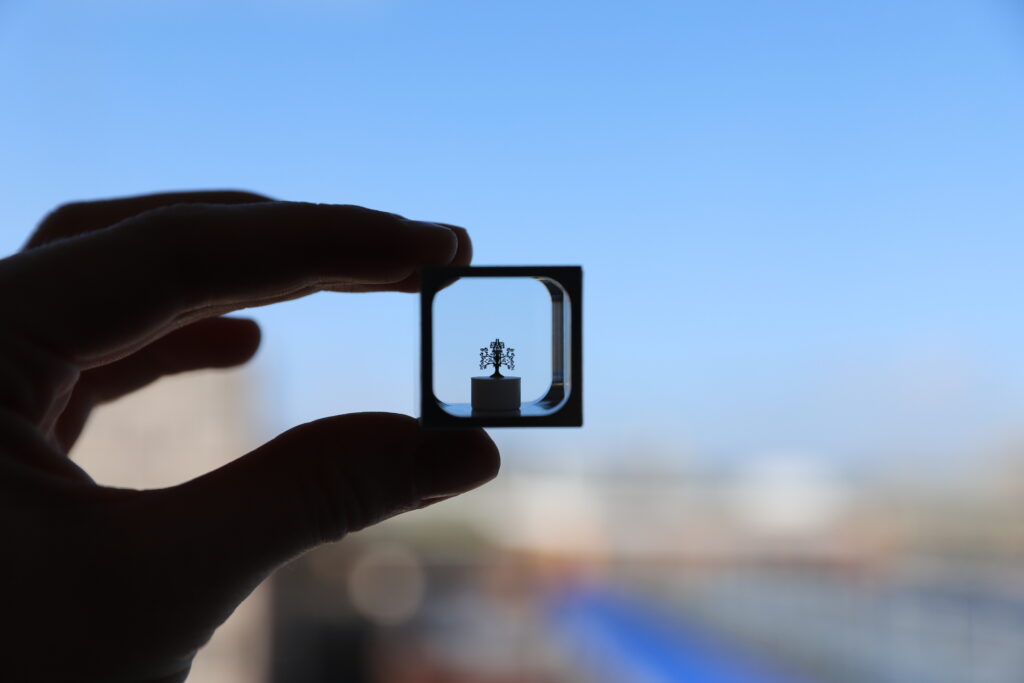
The Ultra facility opens for users. Ultra can produce extremely fast flashes of light in almost any colour, which allows scientists to capture freeze-frames of chemical and biological reactions. The CLF establishes spin-out company Scitech Precision, which supplies bespoke microtargets for high power laser experiments worldwide.

2010

Octopus is born

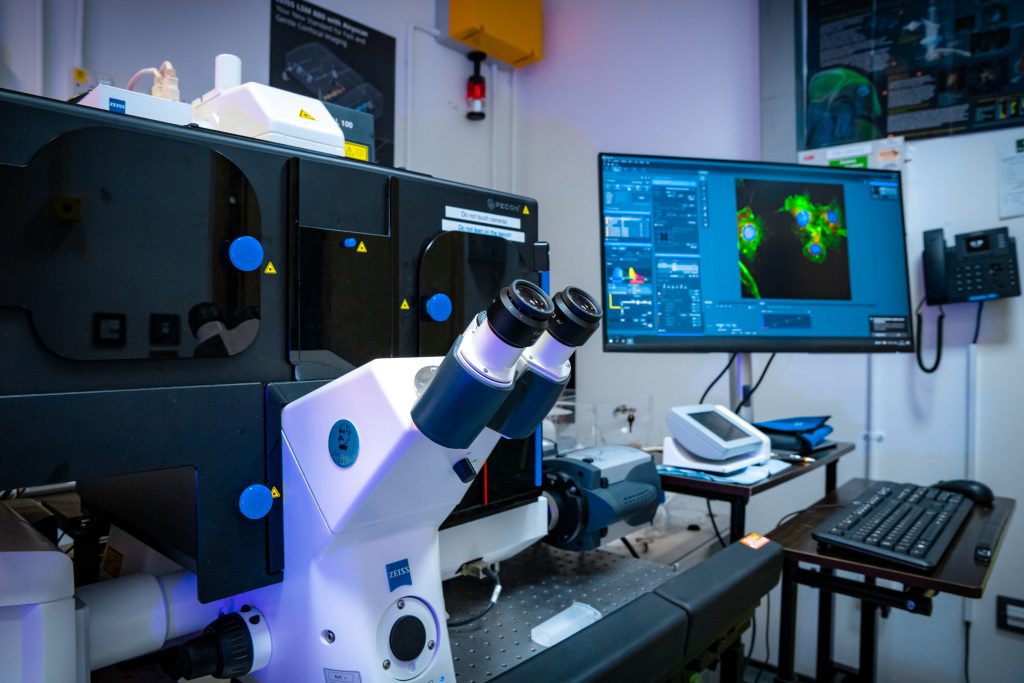
As the LSF moves into the Research Complex at Harwell building, the CLF adds a new facility called Octopus. This suite of laser microscopes opens up a new world of biological research for CLF users. Within its first year, researchers using Octopus make important discoveries in the field of cancer research and more.

2011

CALTA launches 

Recognising how rapidly science and laser technology is advancing, the CLF sets up the Centre for Advanced Laser Technology and Applications (CALTA), with the main mission to develop new laser technologies and provide a platform for technology transfer in high-value engineering sectors, such as aerospace, automotive and nuclear.

2012

Next-generation laser is developed

The CLF’s CALTA team develop and patent technology for the DiPOLE laser. This laser can fire ten-times a second, and is a key technology for commercial-scale laser accelerators and fusion drivers.

2013

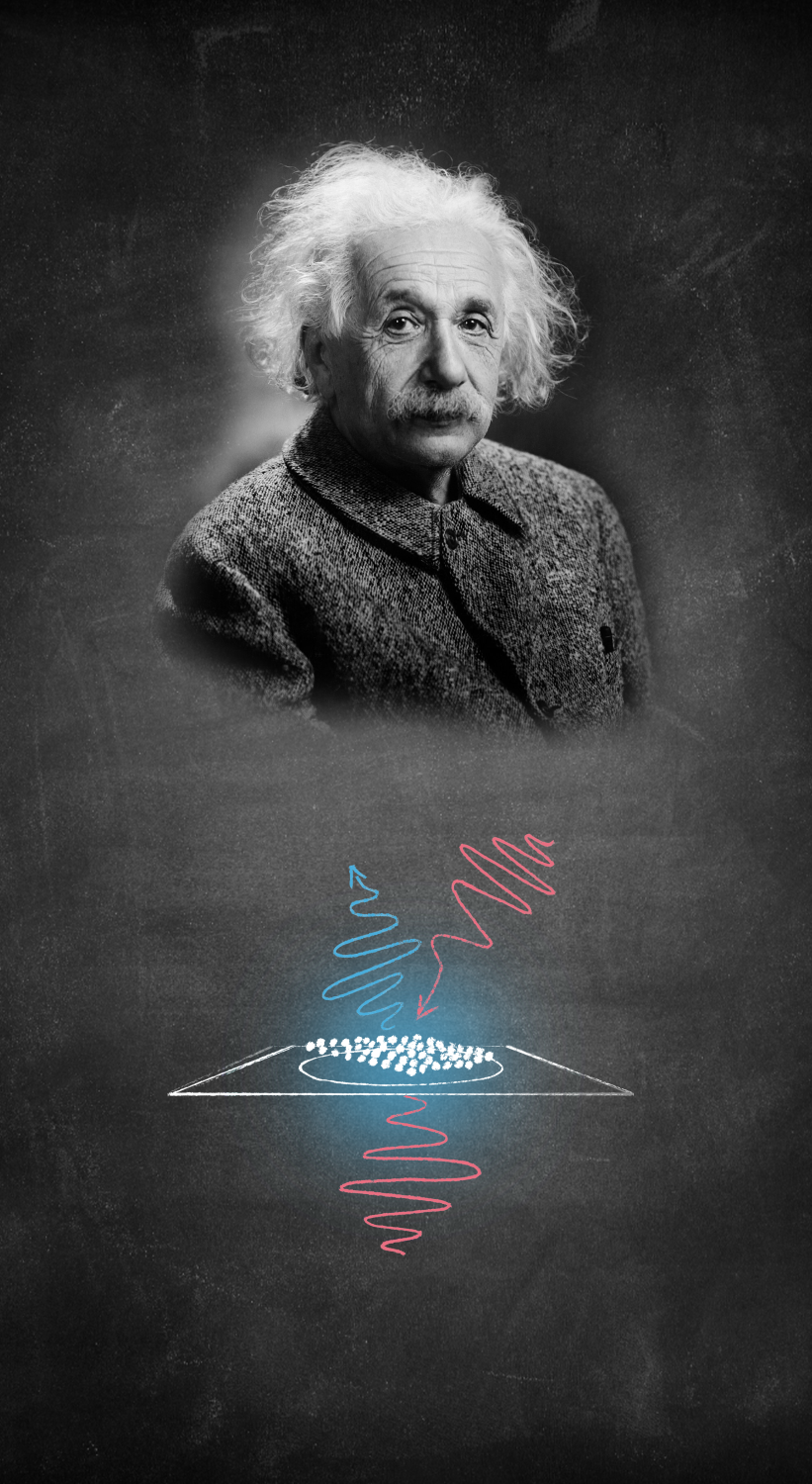
Gemini proves Einstein’s mirror thought experiment true

Researchers use the Gemini laser to demonstrate an effect first hypothesised by Albert Einstein in 1905. He predicted that a reflection from a mirror moving close to the speed of light could generate bright light pulses with short wavelengths, and this is observed for the first time in practice.

2014

Mini supernovae and astronomical frame rates

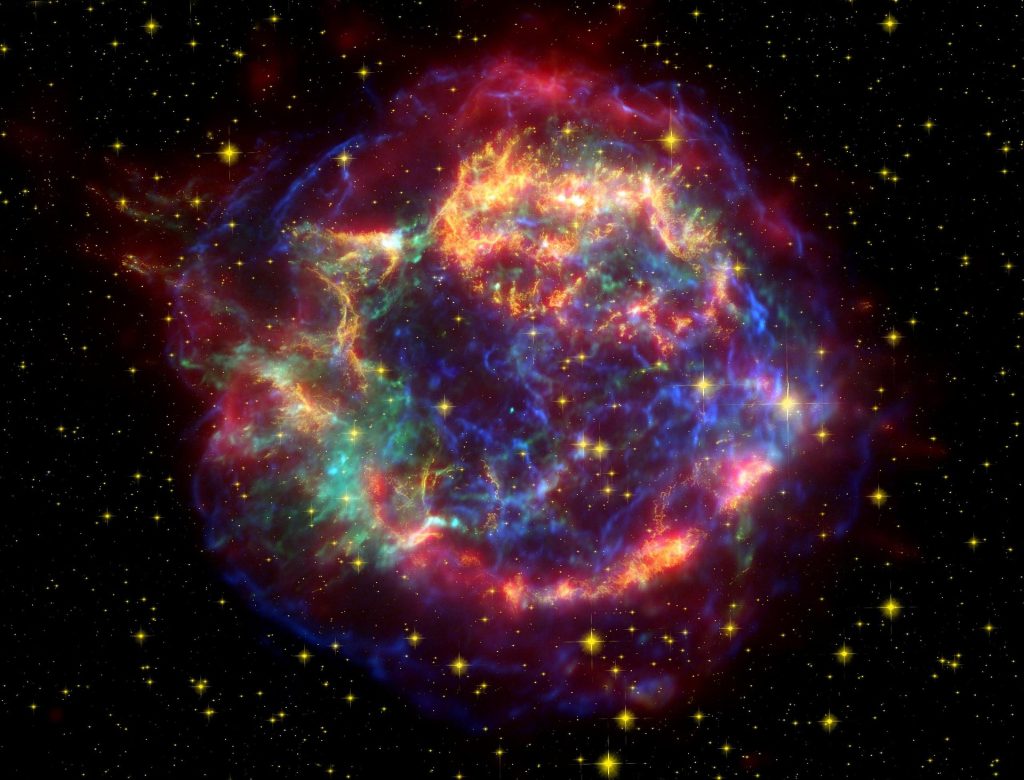
Researchers use Vulcan to create supernovas - tiny exploding stars - in the lab. This becomes one of Physics World's top 10 science breakthroughs of the year. Ultra LIFEtime is created, giving the CLF the unique ability to explore the dynamics of chemical reactions and molecules across their whole lifetime, like slo-mo shots with a frame rate approaching a millionth of a billionth of a second.

2016

DiPOLE100 delivered to the Czech Republic

DiPOLE100, developed and built by the CLF, is delivered to the HiLASE facility in the Czech Republic. This remarkable laser is the first of its class and can generate ten 100-joule pulses each second.

2018

Artemis moves to the Research Complex

Artemis laser is packed up and moved from its home in the south-west end of site to the north-east. It joins its sister laser, Ultra, in the Research Complex at Harwell.

2019

DiPOLE100-X ships to the European XFEL

The CALTA team completes and begins shipping a commissioned laser for Europe’s X-ray free election laser (XFEL). Destined to become the end station HiBEF, D100-X is a unique combination of high energy (100 to 150J) with a rapid shot repetition rate of 10 times a second, making it excellent at experiments related to extreme physics, such as astrophysics.

2020

Building begins on EPAC

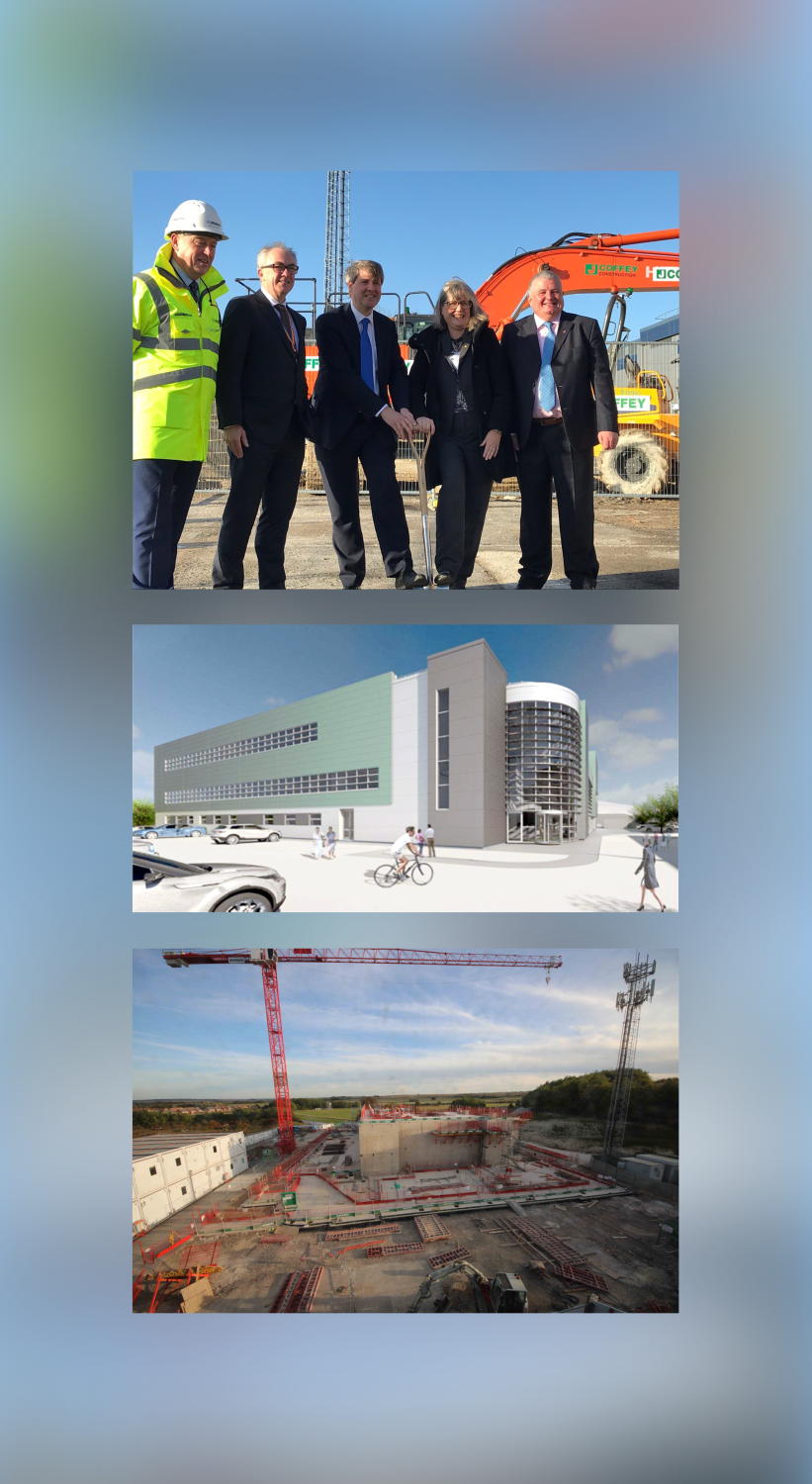
On 13th February, Nobel Laureate Donna Strickland and Science Minister Chris Skidmore host the groundbreaking ceremony for a new facility, the Extreme Photonics Applications Centre (EPAC). The successor to Gemini, EPAC will deliver a bullet of light as hot as the Sun to a target ten times a second. This facility will be designated to laser-driven particle acceleration; a first of its kind.

2021

Artemis levels up

In a major upgrade, Artemis installs a new system capable of delivering a shot every one hundredth of a millisecond, as well as a new extreme ultraviolet beamline.

2022

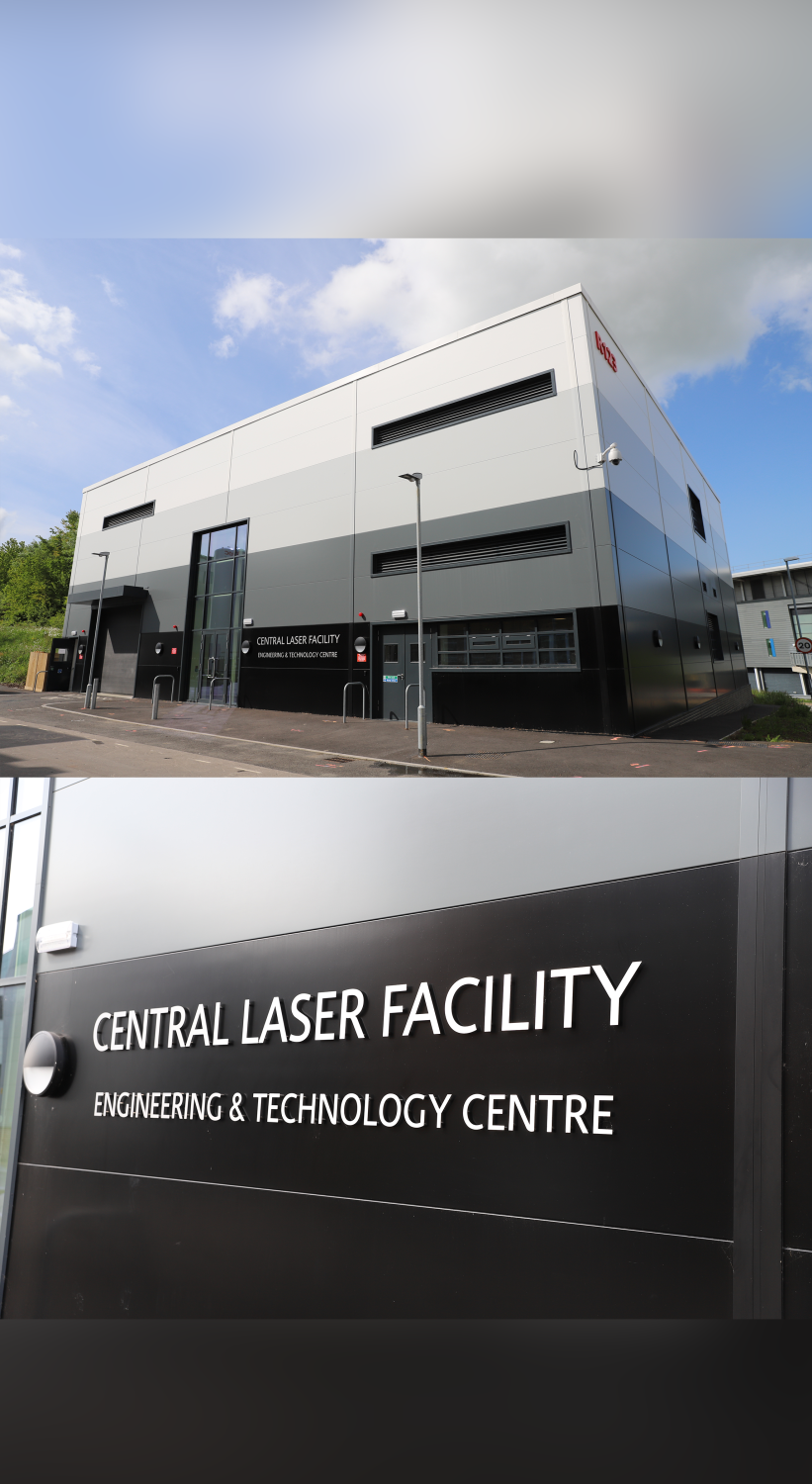
CLF builds the Engineering and Technology Centre

With engineering now being the CLF’s largest department, a new building called the Engineering and Technology Centre (ETC) is built. It houses state-of-the art machining and micro-machining technology.

2023

Vulcan 20-20: CLF flagship laser gets new sails

Vulcan 20-20 is announced. This major upgrade will deliver an extreme high peak power 20PW beam (equivalent to light from 20 of the Earth’s suns focusing onto the head of a single pin) together with a cluster of beams delivering up to 20 kilojoules of energy into two experimental areas.

2025

CLF helps to preserve Charles Darwin’s collection

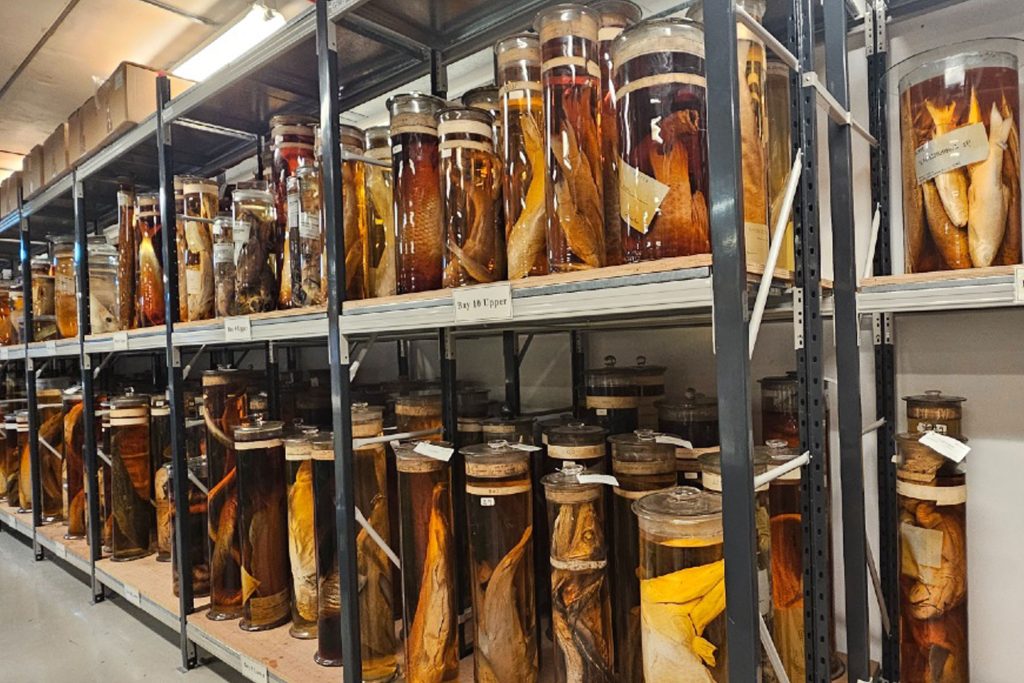
CLF scientists go to the UK’s Natural History Museum with a hand-held Spatially Offset Raman Spectroscopy (SORS) detector to analyse Charles Darwin’s collection of animals in jars. 2025 is 20 years since the SORS imaging technique was invented at the CLF.

2026

HiLUX opens to users and DiPOLE spins out

The HiLUX project, a massive upgrade to the Artemis and Ultra facilities, opens its doors to users for the first time. The new laser can switch colours instantly, and contains lasers the size of a shoebox that once took up an entire room. DiPOLE Systems becomes a spin-out company to supply next-generation lasers.

Supporting users

We offer a complete and comprehensive “proposal to research output” service to users. Our physicists, laser experts, chemists, biologists, engineers, target fabricators and computational scientists are available to support users, enabling them to achieve the best possible results from their access time without the need for specialist expertise.

Additionally, we have a highly active programme of technology development, which is critical to our ongoing success as a user facility. By continually improving our facilities, we maintain our international competitiveness and keep UK science at the forefront.

Building expertise

Alongside facilitating research, training and up-skilling people continues to be an important and actively pursued function of the CLF.

Some 45% of the individuals that use the facilities are PhD students, with students typically attending our facilities several times to complete their theses. We typically deliver over 2,000 PhD training days to around 150 PhD students through facility access each year.

We are also part of STFC’s Apprenticeship Scheme, as well as the Graduate Training Programme, and has been able to use these to recruit early career staff and develop the next generation of engineers and scientists.

More about us

Meet the senior leadership team

How to find us

The Central Laser Facility is located at the STFC Rutherford Appleton Laboratory in Oxfordshire.

Location

Central Laser Facility
Science and Technology Facilities Council
Rutherford Appleton Laboratory
Harwell Campus
Didcot
OX11 0QX
United Kingdom

If you have any queries regarding access or your experiment you can contact the CLF User Office:

Telephone: +44(0)1235 445090 (ext. 5090)

Email: clf@stfc.ac.uk

Get in touch