Our science and technology

The Central Laser Facility is a centre of excellence for laser science and technology. Our scientific output is underpinned by our technical innovations, technological developments and support.

Our science

The CLF’s user research programme is matched by a strong in-house research programme led by facility staff. This activity is essential to maintain the CLF’s world-leading position, and has also led to technology and method developments that have had significant economic and societal impact.

Our technology

The CLF has a highly active programme of technology development. This is critical to the success of the facility’s research programme, as it enhances our user facilities and helps underpin the next generation of laser technology and innovation.

How our science and technology works together

There is a lot of beneficial overlap between different CLF technologies and the science we conduct, such as experimental design and engineering, which underpins all our facilities. Below you will find details of our key scientific areas of interest, together with information on the bespoke, in-house technologies that have been, or are being, developed to help aid the research in these areas.

Alternatively, you can find a full list of our technologies at the bottom of the page.

Energy

Energy research at the CLF includes:

  • continuing engagement and activity with fusion research in the US and the EU
  • exploring and stimulating inertial fusion energy investment opportunities including those with the US and the EU
  • exploring battery chemistry and structure (multi-facility, for example, HiLUX and EPAC)
  • researching photovoltaics

Materials and energy research is supported on several CLF facilities. Ultrafast spectroscopy on Ultra is used to study energy capture and transfer in molecules, with the potential to develop new photovoltaic devices. This technique is also used to investigate chemical reactions relevant to energy storage. Imaging techniques originally developed for biological imaging on Octopus have been applied to the study of complex materials.

Plasma accelerators being developed using high power lasers provide intense beams of high energy radiation that can be used to image large and dense materials, and fundamental high energy density research paves the way for the development of laser inertial fusion energy.

Related technologies

HiLUX is an upgrade to the CLF’s Ultra and Artemis facilities.

It is an investment from the UKRI Infrastructure Fund to establish a world leading capability for time resolved and vibrational science.

Most physical, chemical and biological processes in life, nature and modern technology are dynamic in character i.e. they change with time, often on timescales that are extremely rapid – picoseconds or femtoseconds. HiLUX, which will be globally unique, will enable these to be studied with exquisite detail and sensitivity, peeling back the subtle step-by-step inner workings of how “things” happen that would otherwise be hidden in time aggregated measurements.

More on HiLUX


Environment and food security

The CLF’s key focuses in environment and food security are:

  • atmospheric chemistry
  • drought and disease resistance in plants
  • agrochemicals and increasing yield

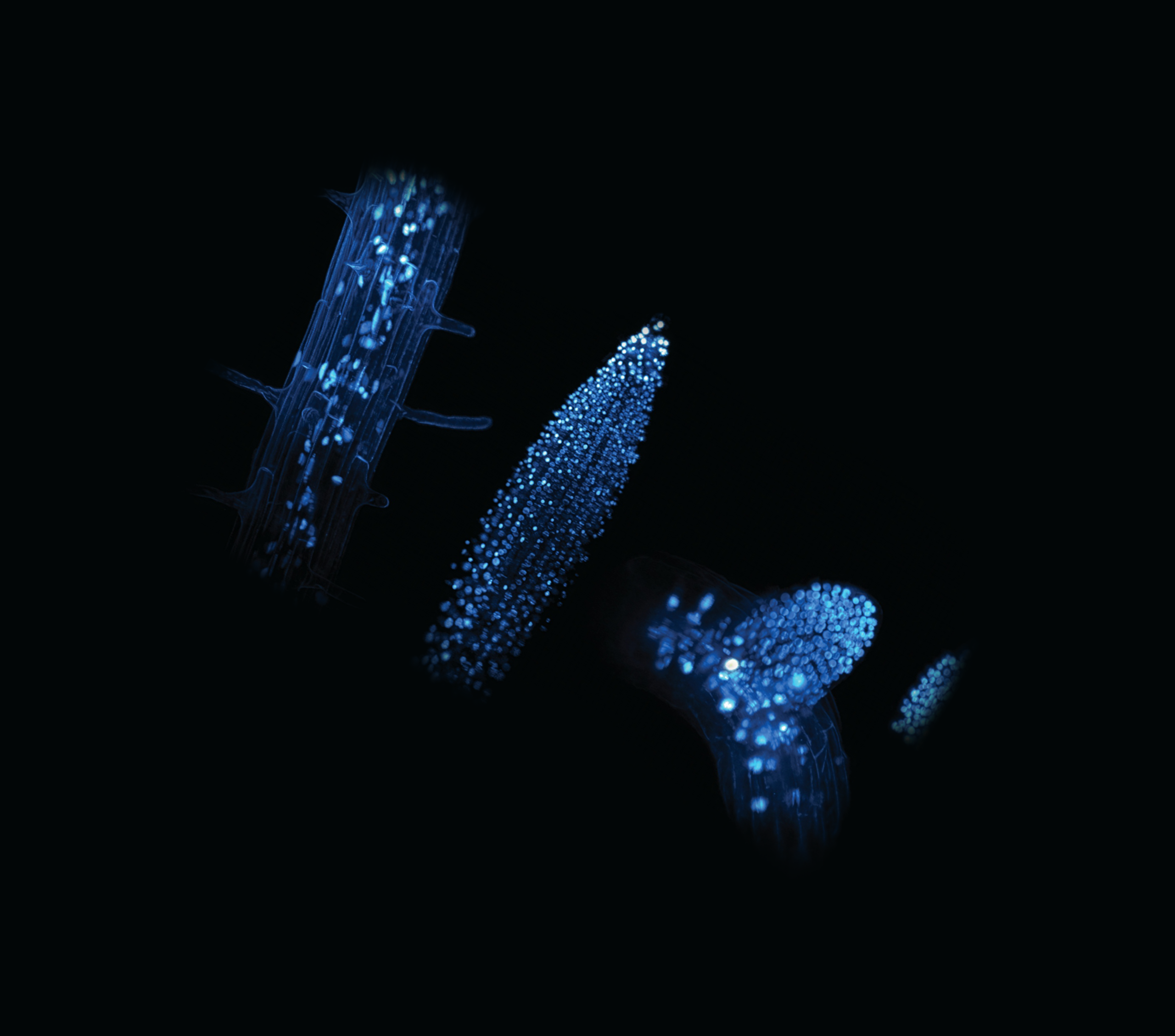
For environmental and food sciences, the CLF deploys a combination of microscopy and spectroscopy techniques. Spectroscopic methods combined with optical trapping are used to probe the chemistry of atmospheric particles, investigating how pollutants are taken up by atmospheric water droplets. Microscopy methods are being used to observe the uptake of pollutants by organisms, helping us optimise bioremediation techniques. Food science is a target area for CLF collaborative research with industry, using a combination of facilities to investigate the chemistry and structure of food products, while recent research using ultrafast spectroscopy has provided new insights into catalytic processes involved in fertiliser production.

Related technologies

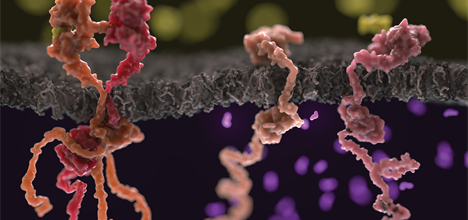
The CLF’s Octopus imaging facility has an active development programme in single molecule and super-resolution microscopy.

Our aim is to provide new techniques for the user community that help to link molecular structure and function in the environment of the cell.

More on biological microscopy development


High energy density (HED) science

The areas researched in high energy density science are:

  • curiosity driven physics
  • plasma based accelerators
  • defence
  • applications: imaging and advanced materials
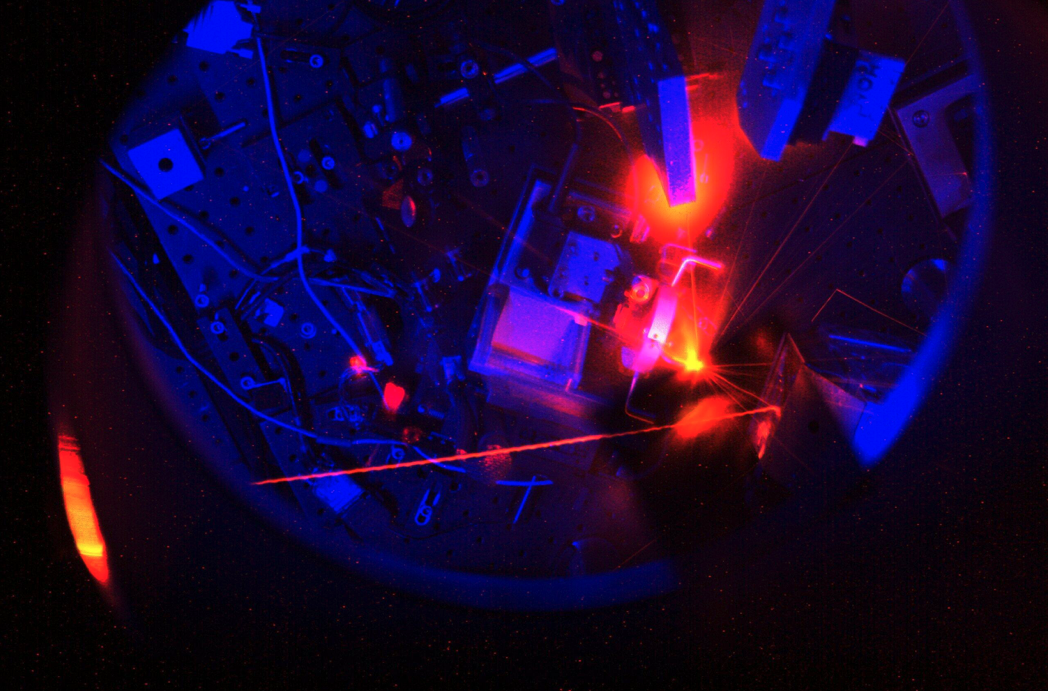
dark scene with blue hue and a bright red laser coming in from the left. The laser bounces off a mirror to the right of the image and appears to hit a target. Where it hits there is a bright red and yellow flare of light.

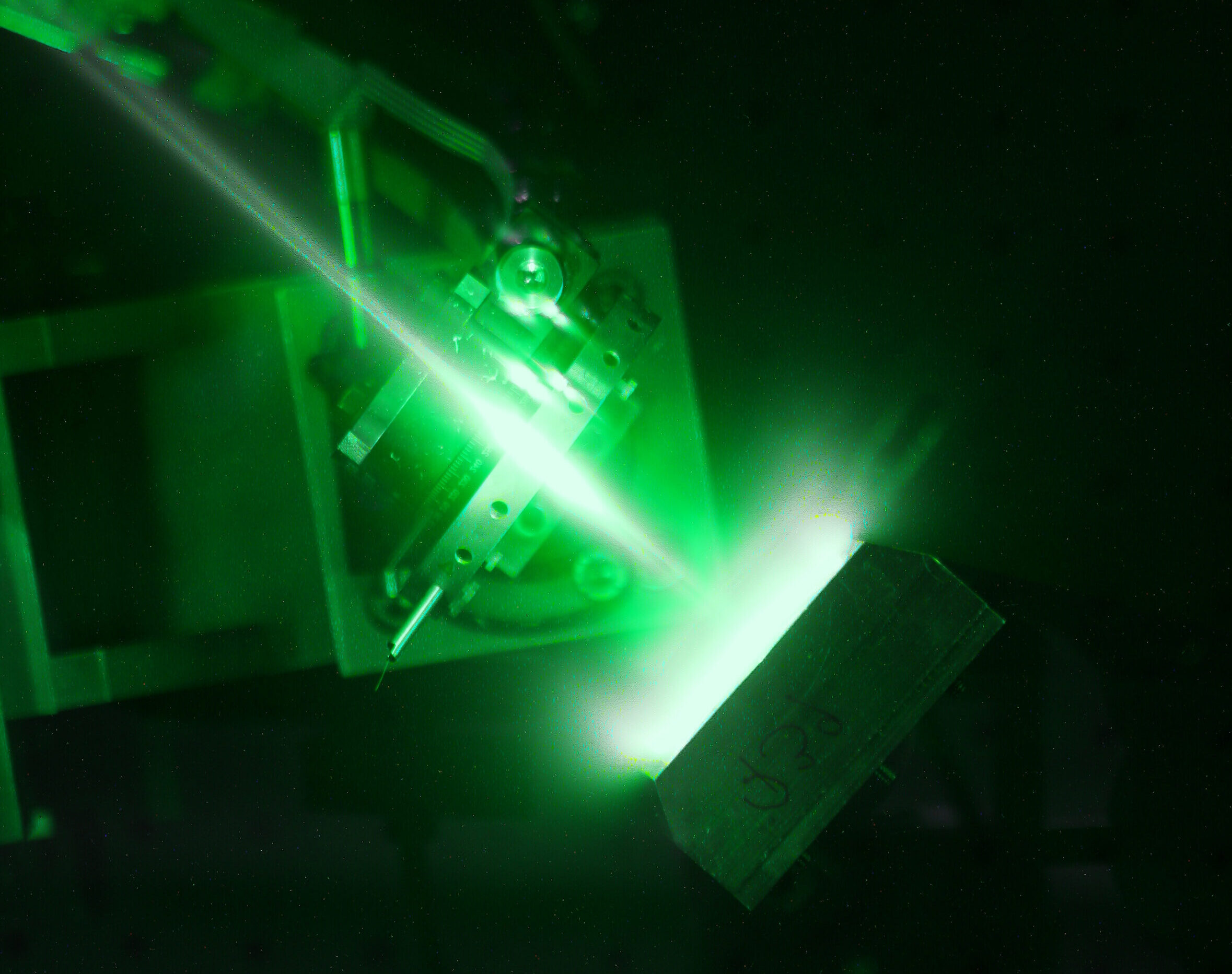
The High Power Laser (HPL) facilities at the CLF, Vulcan and Gemini, enable a wide range of studies in plasma and light-matter interactions at extreme light intensities. A large proportion of studies conducted at Vulcan fall into HED science, ranging from creating extreme conditions that can mimic centres of stars and large planets to enable laboratory-based astrophysical studies, to understanding how energetic particles transport through materials and deposit energy – an area relevant for laser-based nuclear fusion.

Gemini specialises in laser-driven plasma accelerators and their applications, including the use of secondary emissions from the plasma accelerator for high-resolution dynamic imaging. The unique capabilities in Gemini – two synchronised petawatt-class beams that enable GeV energy electron beams driven by one arm, combined with the high light field intensities provided by the other arm – facilitate several cutting-edge fundamental science studies, including the verification of quantum electrodynamic theories.

Related technologies

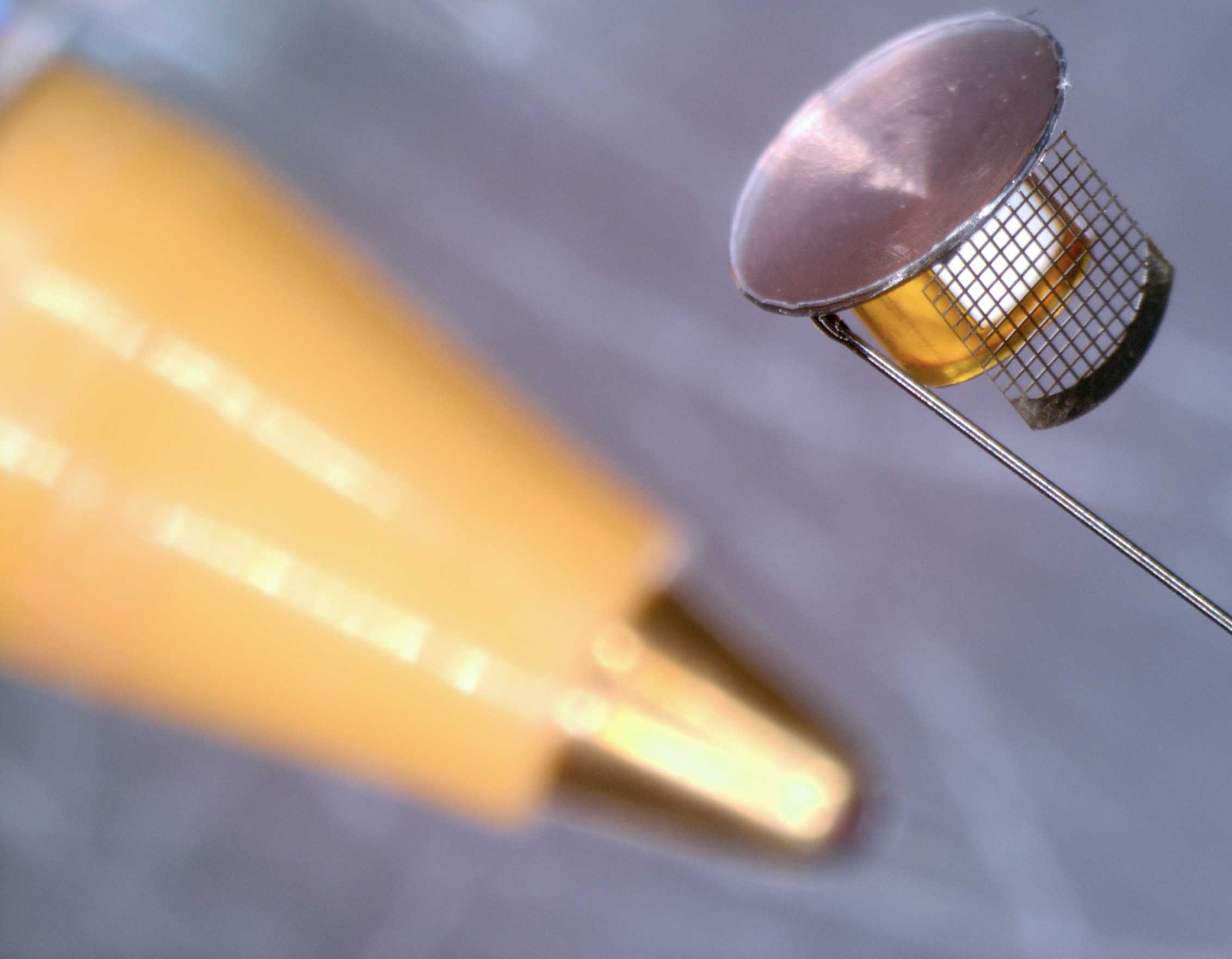
The Target Fabrication Group specialises in micro-fabrication of high-power laser targets.

A specialised group of physicists, material scientists and engineers provide targets that are extremely high specification and that are manufactured to extremely tight tolerances using precise micro-machining, chemical processes and precision assembly. Alongside this the group specialises in the characterisation techniques needed to verify the many parameters that are specified in the metrology of the target. To support EPAC the group has developed a range of high-rep rate target delivery systems including liquid targets that are less than a micron thick and high precision tape target drives that can deliver targets to the laser focus at a rate of 10Hz.

More on Targetry


Chemistry and Catalysis

Chemistry and catalysis are topics critical to the CLF’s research as they are:

  • central to many industrial and future net zero processes
  • relevant to energy and food
  • less environmentally damaging than alternatives (green catalysis)

Spectroscopic methods on Ultra are used for fundamental and applied research into chemistry and biochemistry. Ultrafast techniques allow us to probe chemical reactions, the formation and breakage of chemical bonds, and catalytic processes in real time. The high sensitivity of our instruments means that chemical reactions can be studied in “real world” conditions, such as those occurring in industrial processes. The research is relevant to societally important areas such as net zero, green catalysis, and food production. In the life sciences, biologically important processes such as enzyme catalysis and the interaction of small molecules (for example, drug candidates) with biological macromolecules can be studied on a wide range of timescales from picoseconds to seconds.

Related technologies

HiLUX is an upgrade to the CLF’s Ultra and Artemis facilities.

It is an investment from the UKRI Infrastructure Fund to establish a world leading capability for time resolved and vibrational science.

Most physical, chemical and biological processes in life, nature and modern technology are dynamic in character i.e. they change with time, often on timescales that are extremely rapid – picoseconds or femtoseconds. HiLUX, which will be globally unique, will enable these to be studied with exquisite detail and sensitivity, peeling back the subtle step-by-step inner workings of how “things” happen that would otherwise be hidden in time aggregated measurements.

More on HiLUX


Defence and security

The CLF researches the following defence and security themes:

  • imaging and detection of harmful substances: explosives, chemicals, drugs of abuse
  • counterfeit medicines
  • people trafficking
  • applications of HPL to defensive disruption and detection

Laser and Instrument developments cover many areas of the CLF’s work and range from new laser systems and instrumentation to software and algorithms.

Related technologies

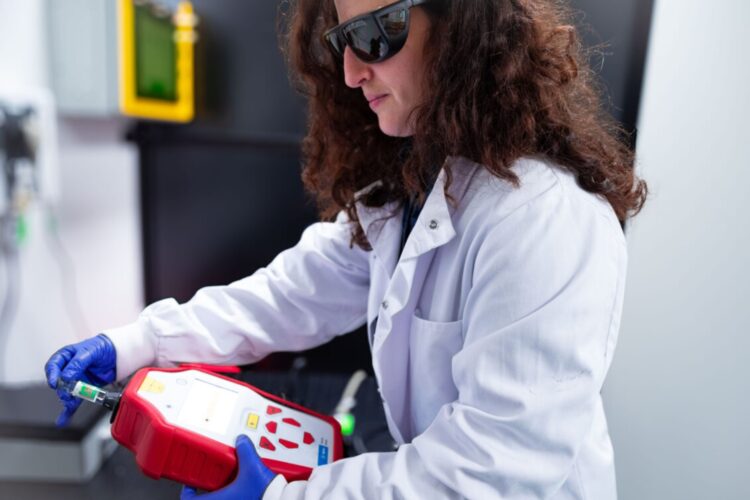
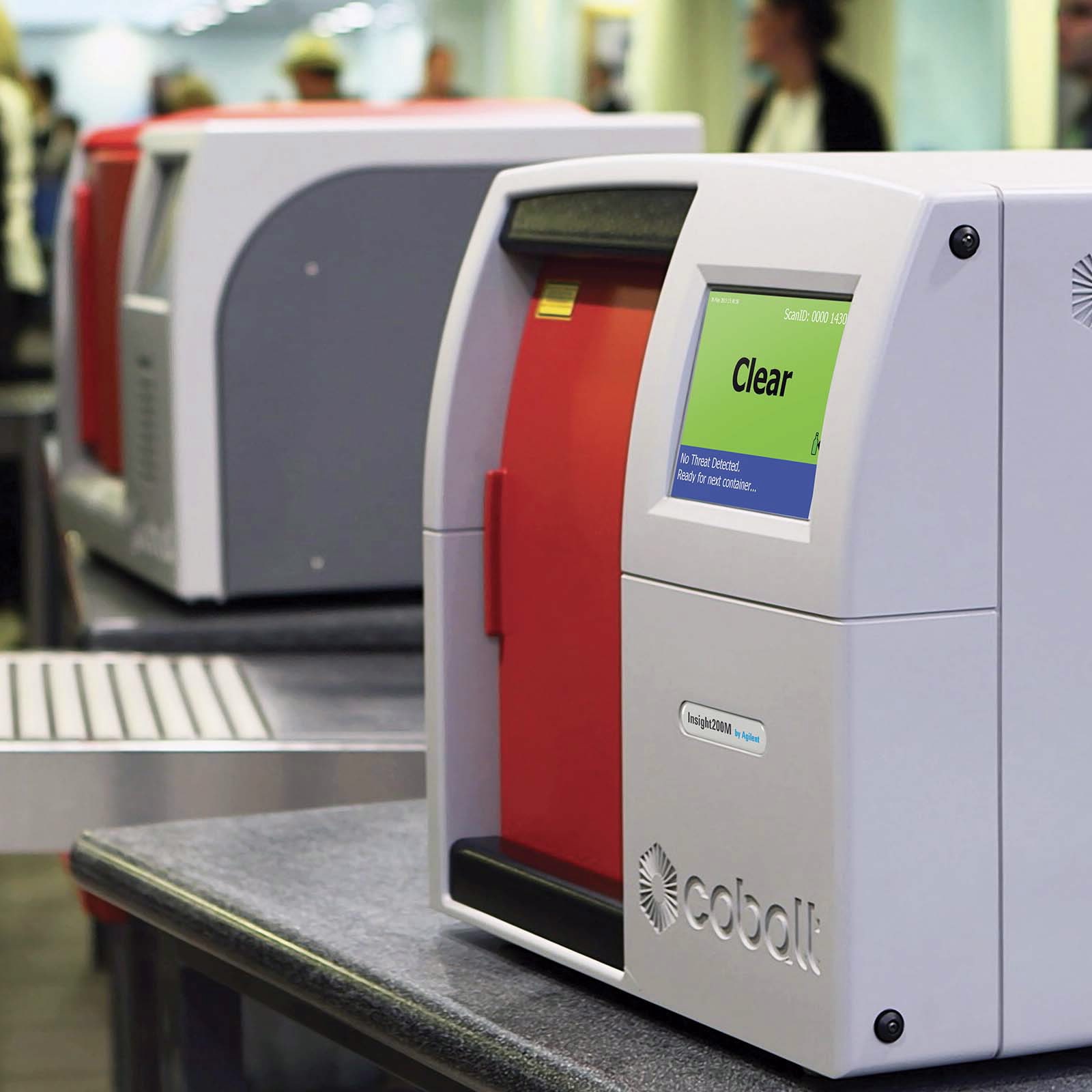
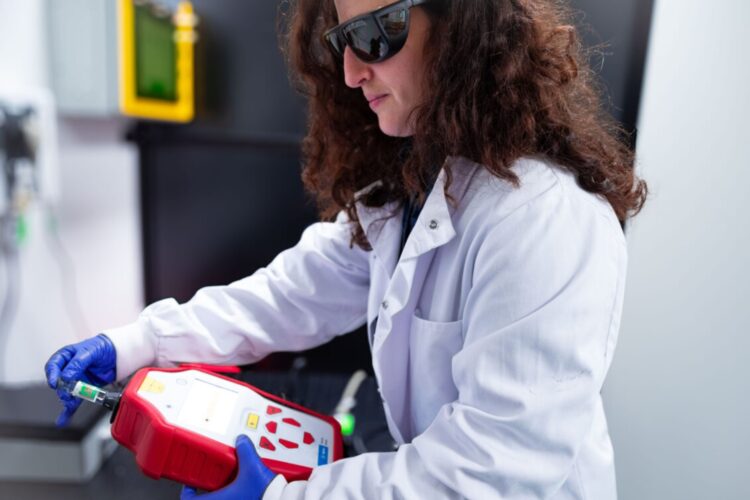
Spatially Offset Raman Spectroscopy (SORS) is a method invented at the CLF to identify the chemical composition underneath the surface of materials, including beneath the skin, and liquids in bottles.

based on SORS technology, the CLF created a spin-out company called Cobalt Light Systems, which  grew to be an award-winning business placed amongst top tech firms.

In 2017, Cobalt Light Systems was acquired by Agilent Technologies for £40M. Since then, variations of and improvements on this technology, such as handheld versions for other applications, have been developed.

More on SORS

Biomedical and Life Science

The CLF’s biomedical and life sciences research includes:

  • infection and immunity
  • cancer
  • ageing and degenerative diseases

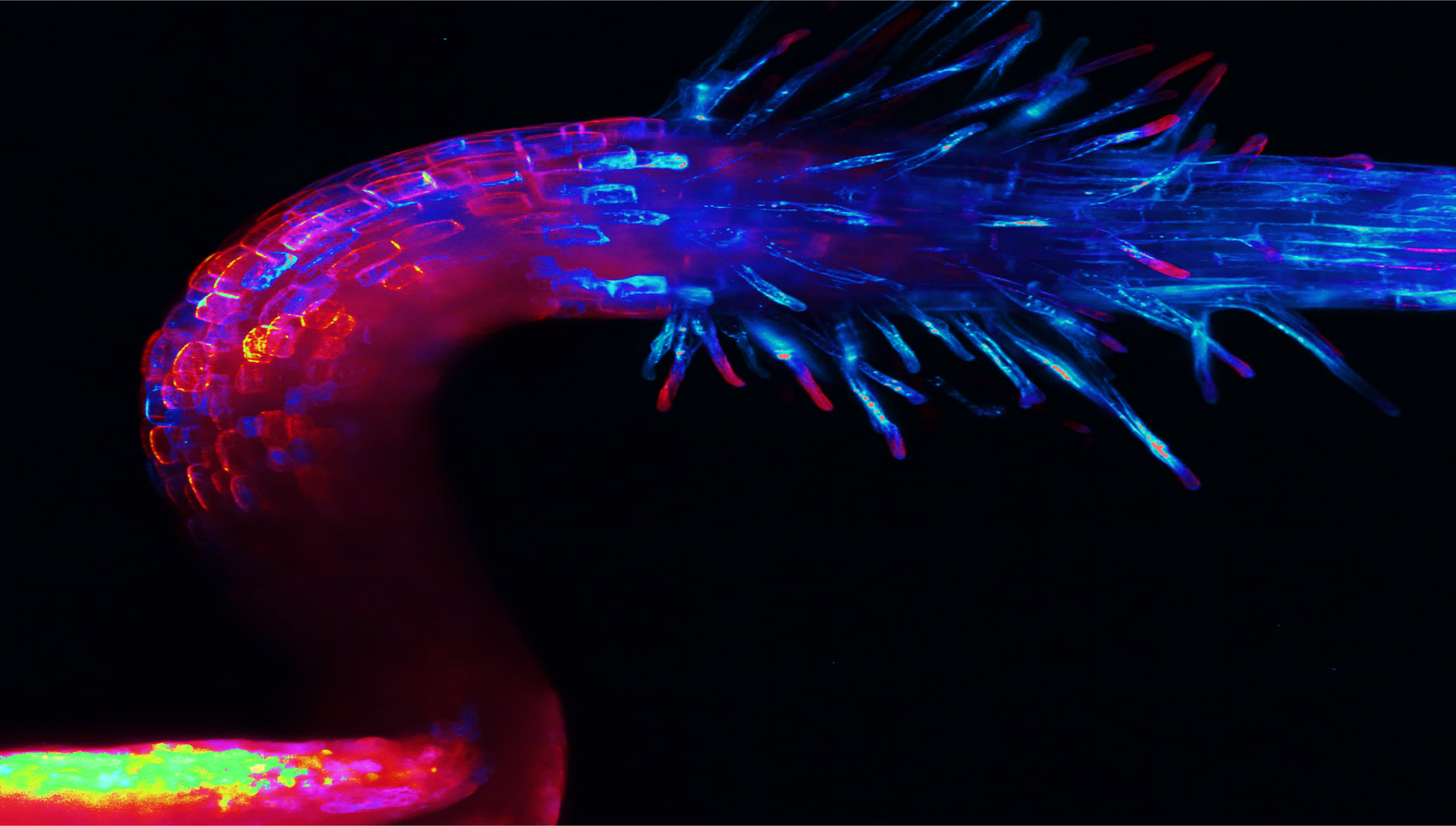
Cell and structural biology research is carried out on both Octopus and Ultra. Microscopy techniques are used to investigate biological phenomena from the whole cell to the molecular level, with the ultimate goal being to link structure and function in the real-world environment of cells and tissues. The facility supports a wide range of life sciences research, including infectious disease, plant biology, cancer, and immunology. Spectroscopy techniques are used to investigate the structure and dynamics of biological molecules on ultrafast timescales, studying for example the harvesting of light and the transfer of energy in proteins, protein folding and unfolding, and the interaction of proteins with small molecules. Two-dimensional infrared spectroscopy techniques are being explored as a potential screening tool for drug discovery and development.

Related technologies

The CLF’s Octopus imaging facility has an active development programme in single molecule and super-resolution microscopy.

Our aim is to provide new techniques for the user community that help to link molecular structure and function in the environment of the cell.

More on biological microscopy development