Details
Ideally, proposed experiments should be based on one of layouts described under Gemini’s setups (below). Significant deviations from these layouts must be agreed with the Experimental Operations manager prior to submission.
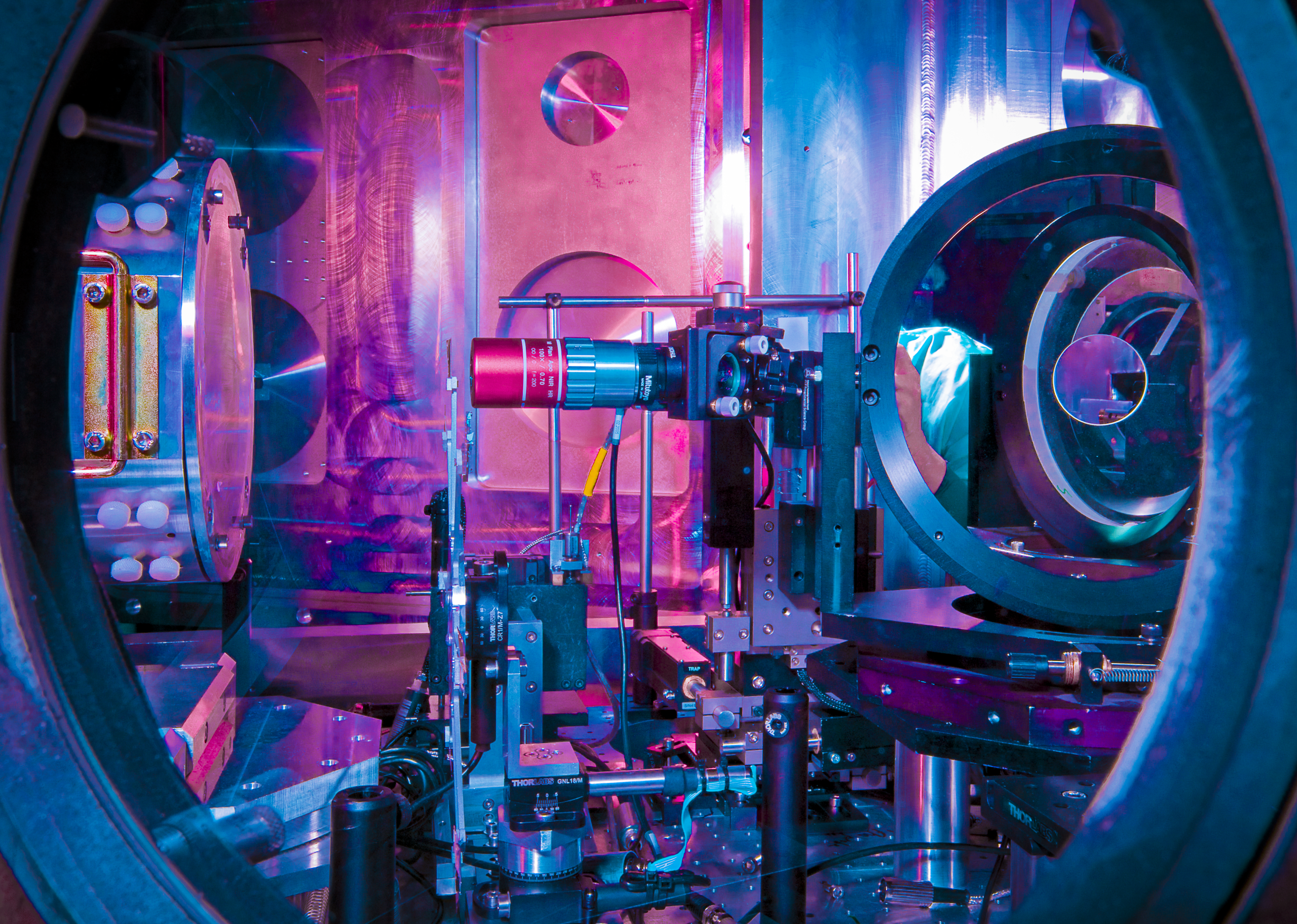
The experimental access slot will be preceded by a set-up period to allow CLF staff to build up the optical layout and carry out diagnostic testing as far as possible in the time available. All non-standard diagnostics and potential hazards must be discussed and agreed with the Experimental Operations manager prior to proposal submission. Equipment that is brought to CLF by the user group must be delivered to site in good time, to ensure adequate time for safety assessments and integration into the experiment. To ensure reliability of the system, we may require up to 50% of a day each week, preferably Mondays, to carry out maintenance and optimise performance. All lost hours will be compensated by providing operational support during out-of-office hours.
The proposal application must be accompanied by a completed CLF experimental pack (below), which lists the requirements for laser parameters, targetry, experimental gases and diagnostics.
CLF experimental pack for principal investigators PDF
(having trouble accessing this PDF? Please contact us)
At the end of the document, we request that you provide some details of the proposed experiment, with a sketch of the required beam and diagnostic layouts. This will be very useful for CLF staff, and will help them to understand the technicalities that might not be included in the scientific case because of lack of space.
FAQs
Researchers from universities, national labs and international institutions can all apply to use the facility. Experimental proposals must undergo a competitive peer review, where priority is given to experiments that advance fundamental science and technology. Industrial scientists can apply for peer review access in partnership with academics, or access the facility directly via the proprietary access mechanism. Please contact the Industrial Partnerships team for further information.
Need a different format?
If you cannot open or read any of these documents, you can contact us to request a different format.
Contact the User Office