Gemini front end
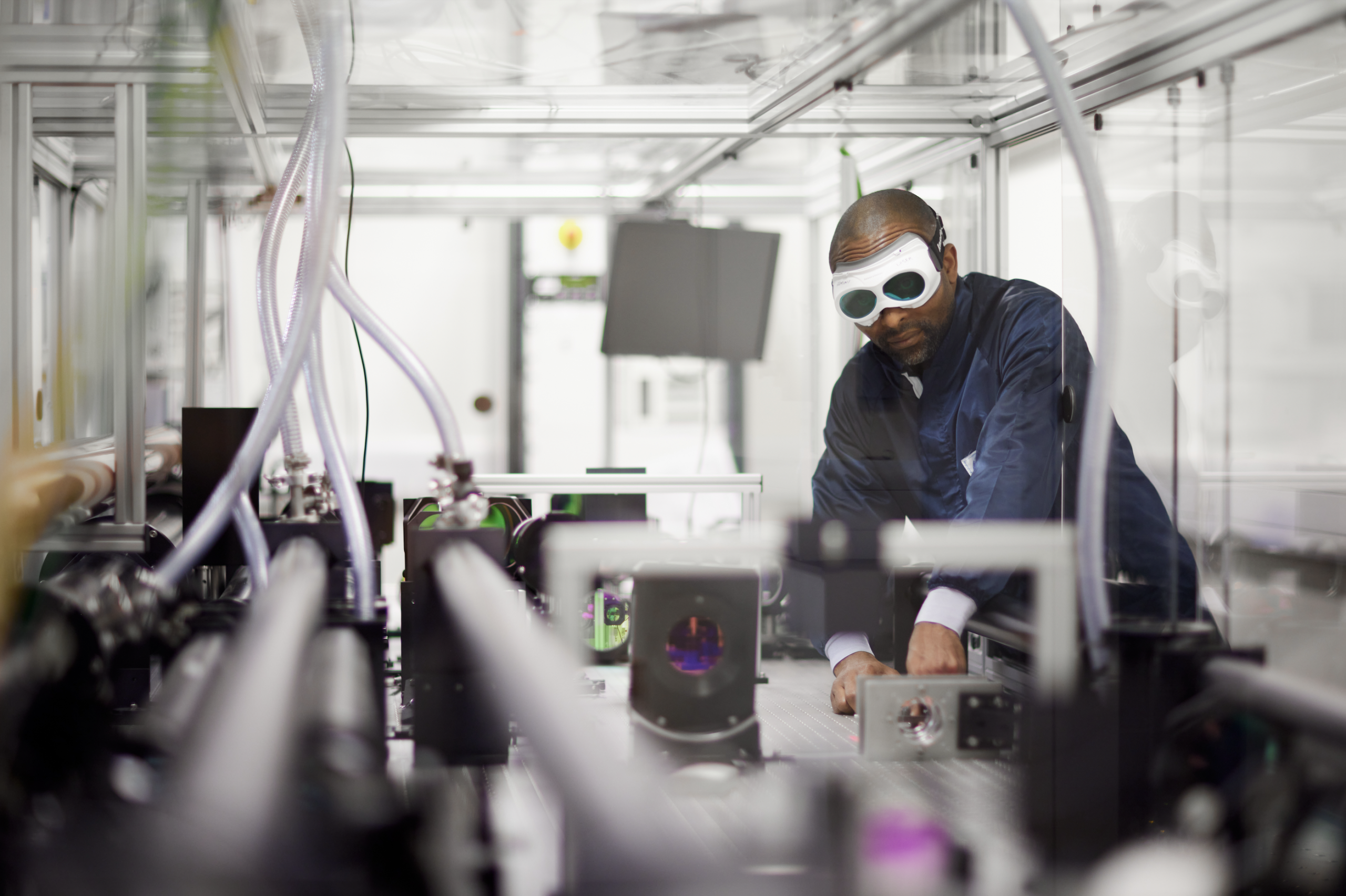
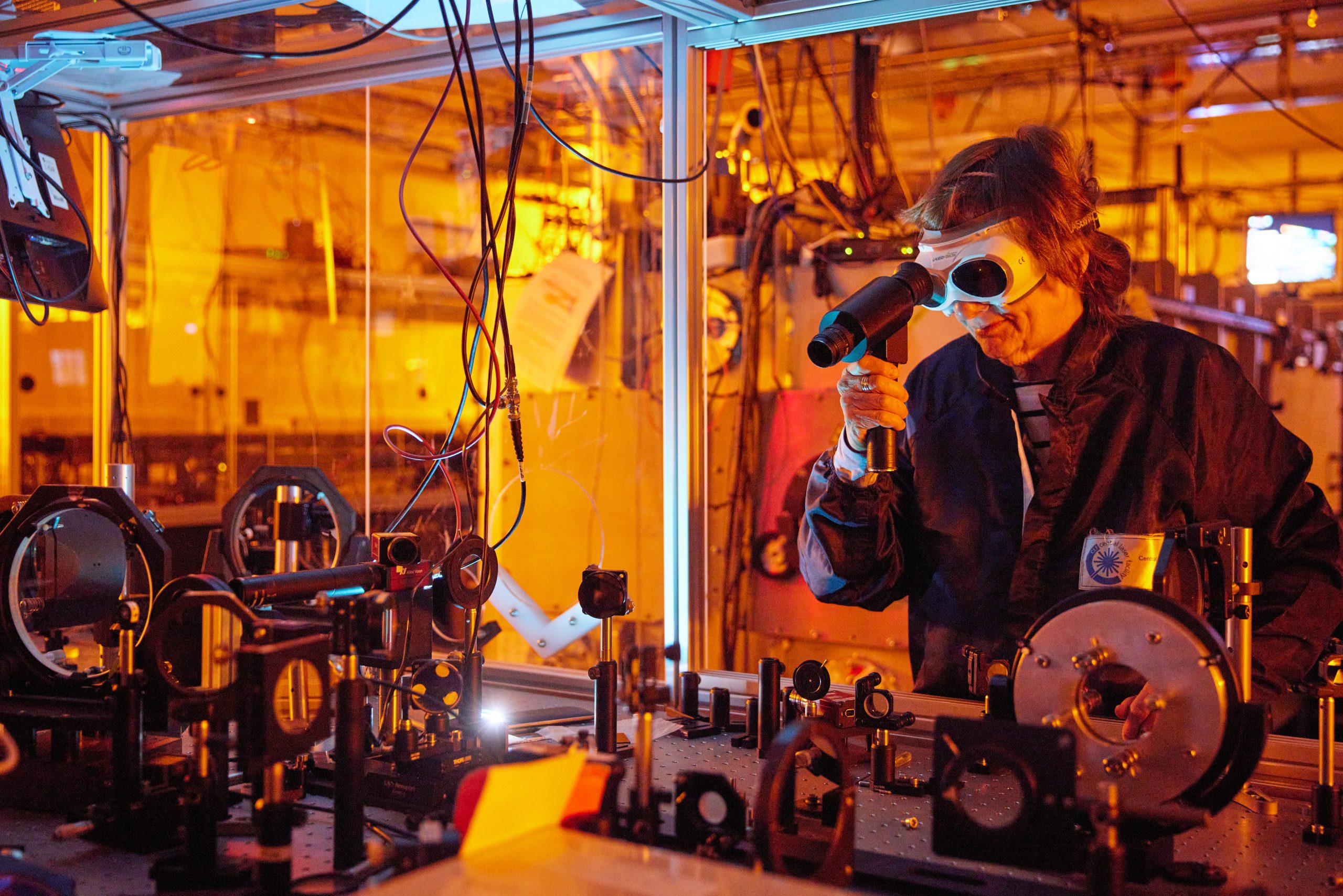
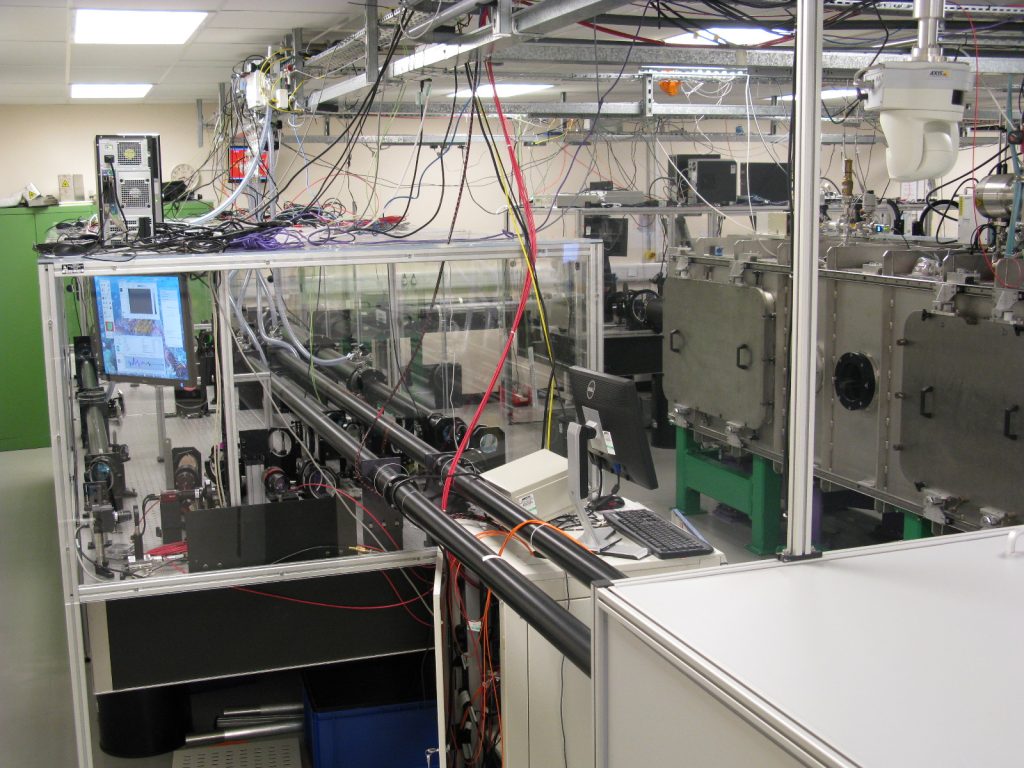
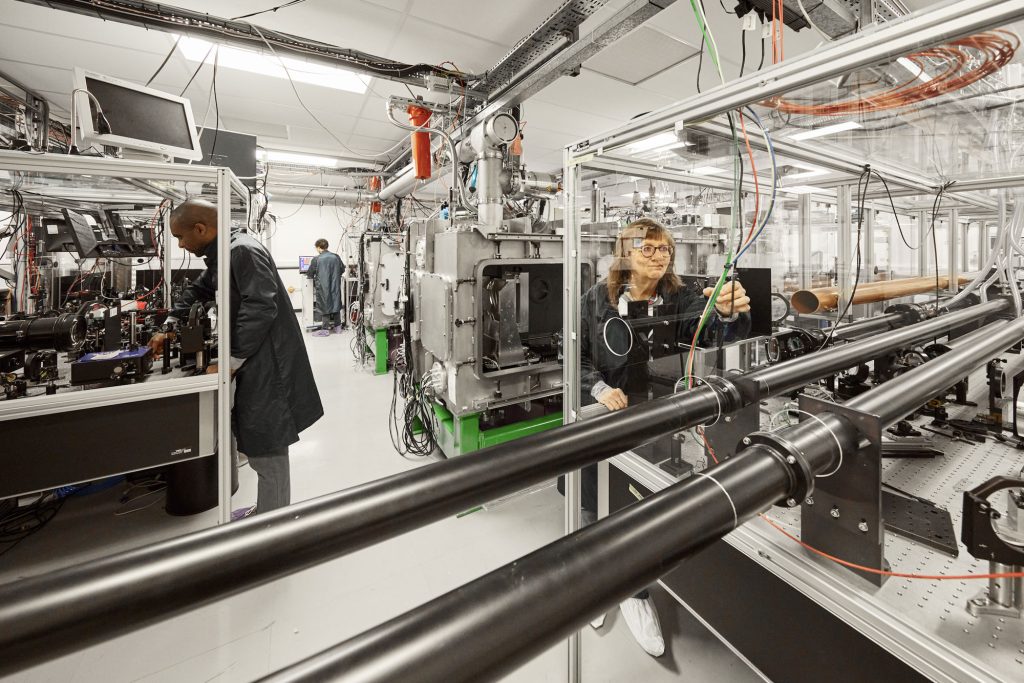
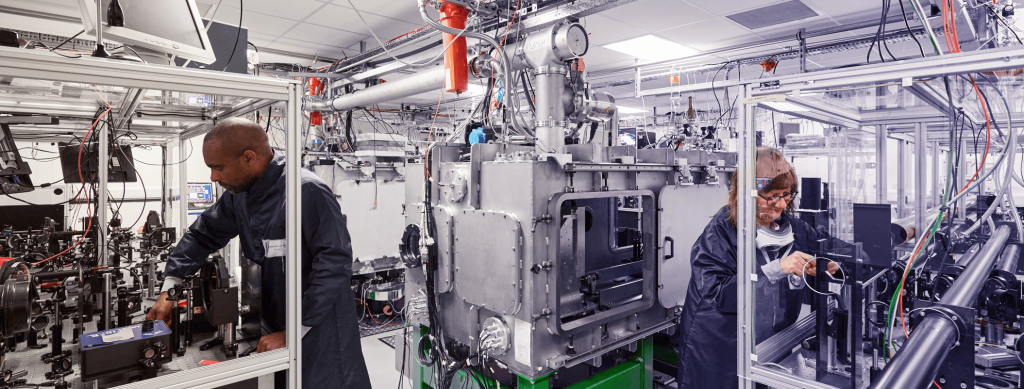
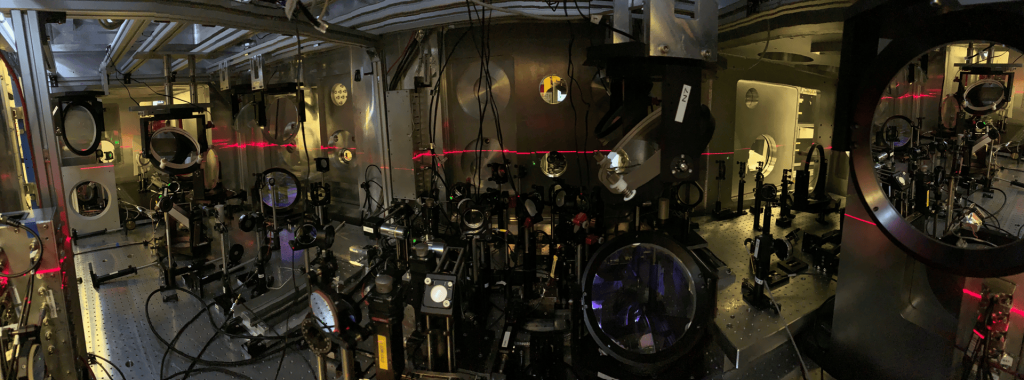
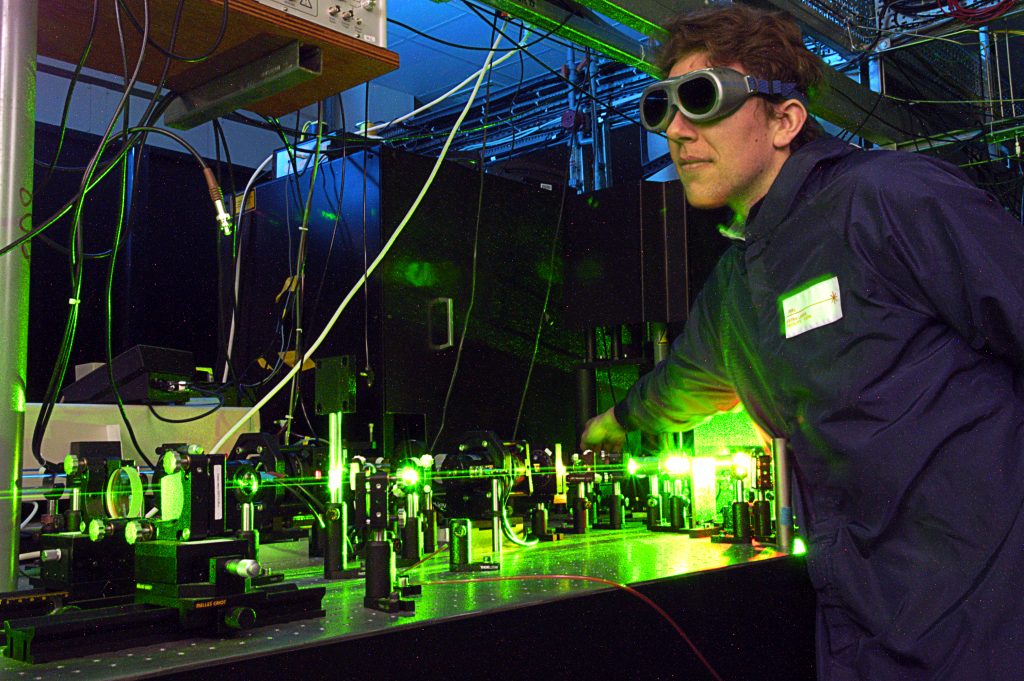
The front end of this laser system is a high power, ultra-short pulse, high-repetition rate laser. It uses titanium-doped sapphire as its gain medium to produce pulses of light at a wavelength of 800nm (near infrared).
These pulses are split into two separate beams, and are each amplified to extremely high energies using the Gemini pump lasers. The two output beams of the Gemini laser system are short pulses of light, 40fs in duration, each delivering 15J of energy.
Interaction of the focused pulse with a material leads to generation of bright, coherent X-ray sources, or energetic beams of electrons and protons. The dual beam capabilities of the laser system make it ideal for pump-probe and strong field quantum electrodynamics experiments.
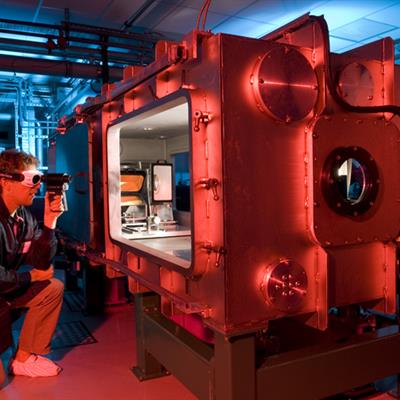
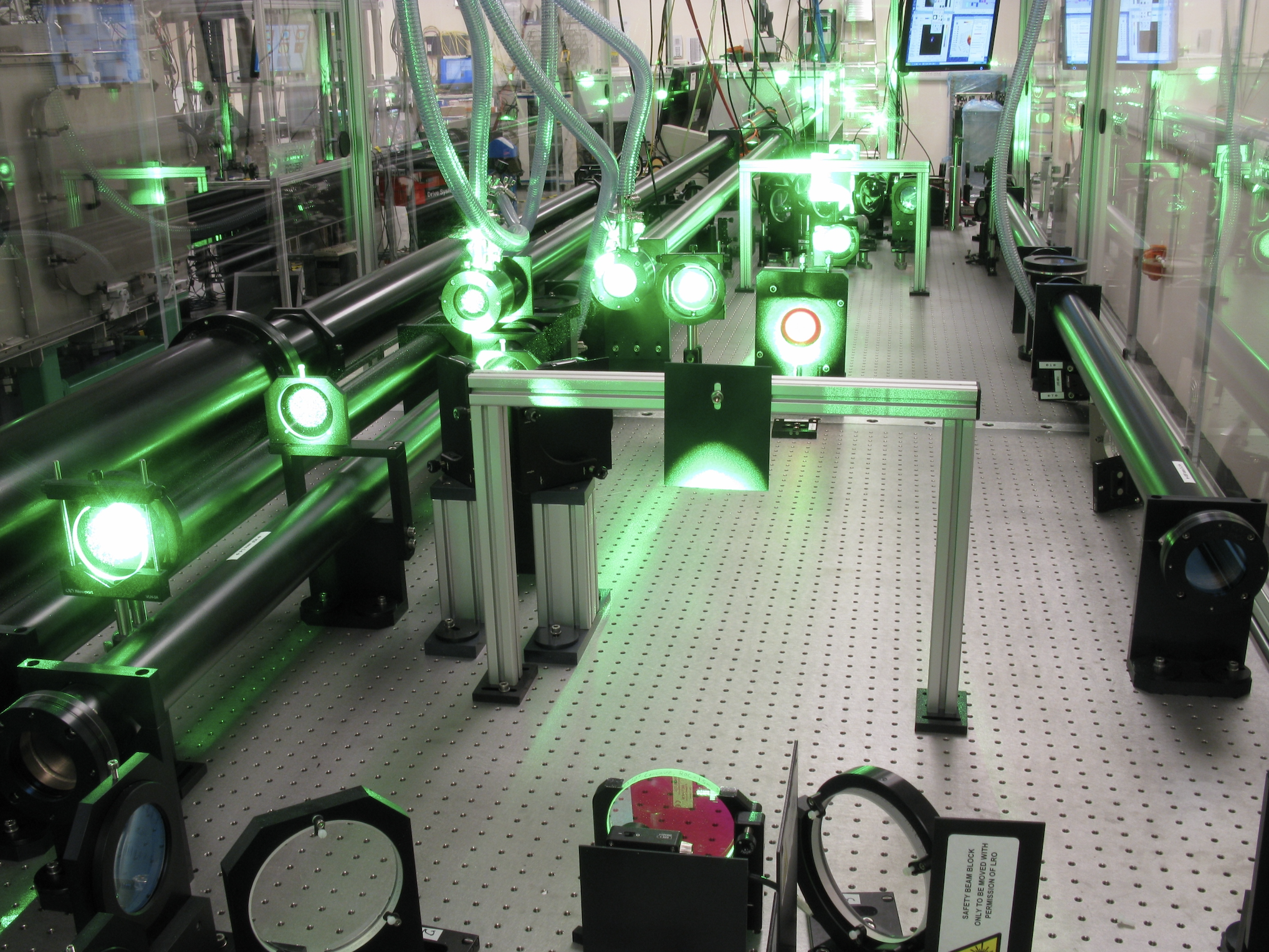
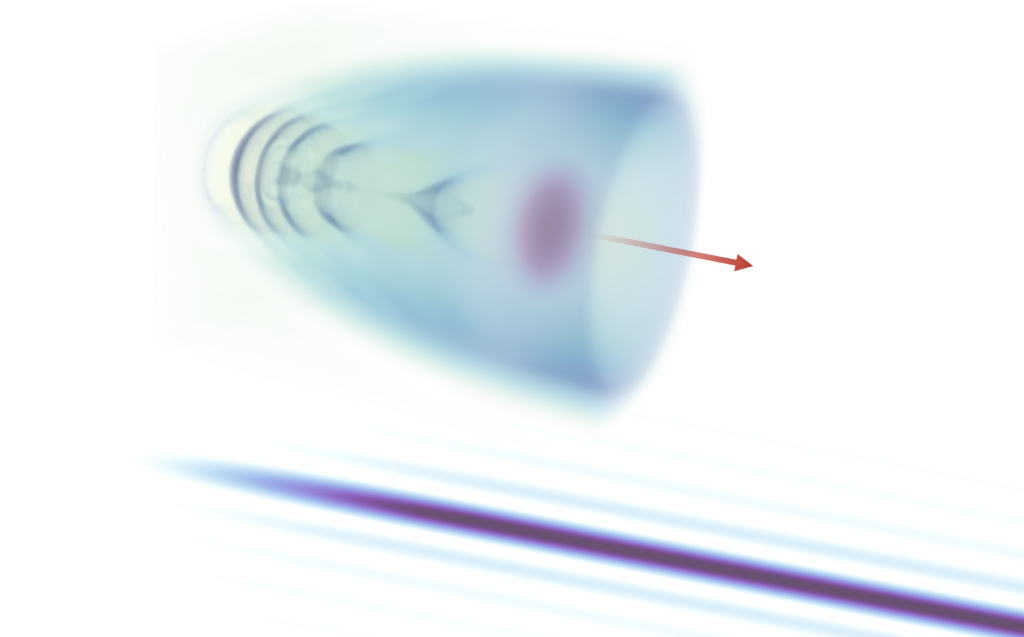
The Gemini laser can produce the high electric fields desired for particle acceleration without the long distances required in conventional accelerators. Experiments in laser wakefield acceleration aid in the progression of compact particle accelerators for use in medical imaging and radiation therapy, as well as future colliders.

Femtosecond duration X-ray bursts can be generated from solid or gas target experiments in Gemini. These ultrafast X-ray pulses allow experimentalists to probe matter on extremely short timescales, allowing deep investigation into atomic and molecular dynamics.
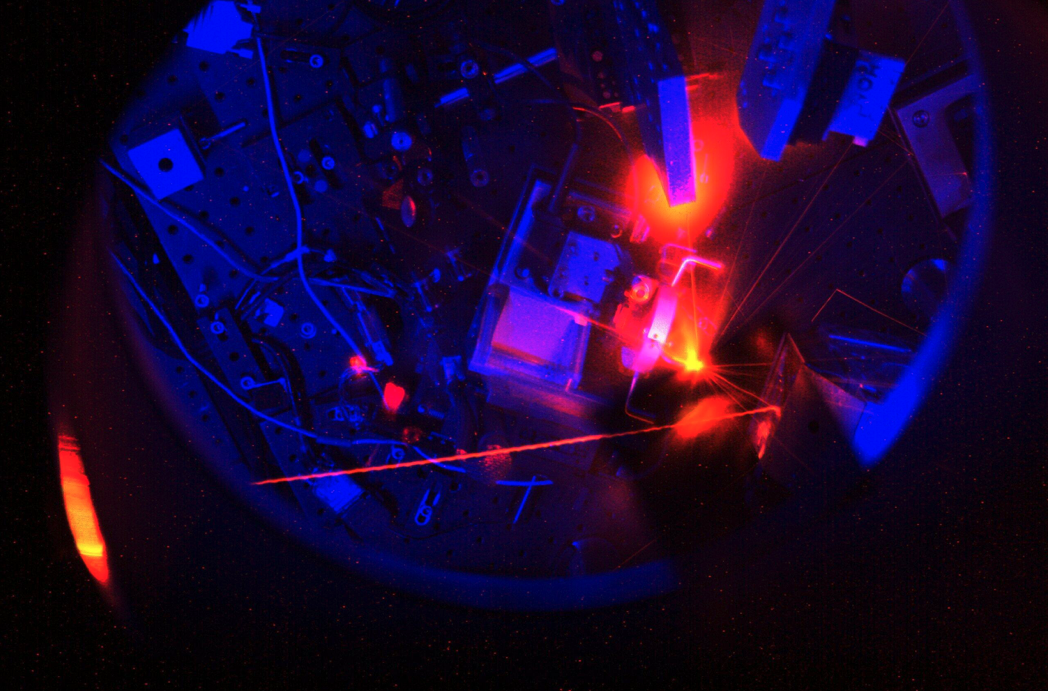
By forcing matter into high pressure and temperature states, extreme astrophysical environments can be mimicked in the lab. Conditions like those found in stars or planet cores can be reached, enabling further understanding into nuclear fusion, black holes, and other astrophysical phenomena.
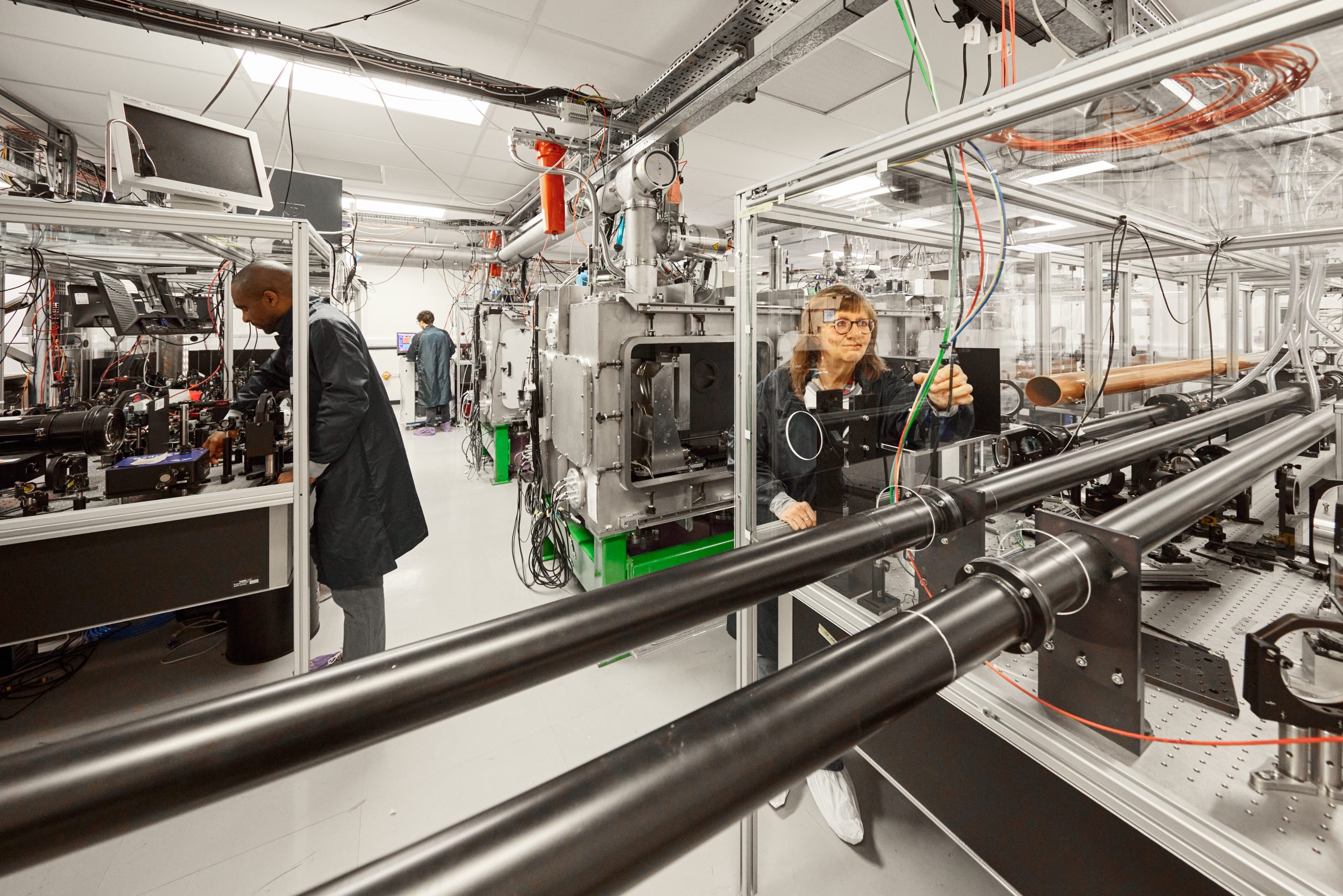
Please don’t hesitate to contact us and we’ll work with you to provide a solution to the best of our ability.
Contact us