EPAC
The Extreme Photonics Applications Centre (EPAC) is a new national facility to support UK science, technology, innovation and industry. Find out more about EPAC here.
Conventional accelerators, which are based on conventional radio frequency accelerator technology, are large and expensive infrastructures.
This limits their suitability for direct applications in an industrial or biomedical environment, as well as their scalability to much higher collider energies.
Plasma accelerators can sustain significantly higher acceleration potentials, making them attractive for several potential near-term applications based on the unique properties of the secondary radiations they produce.
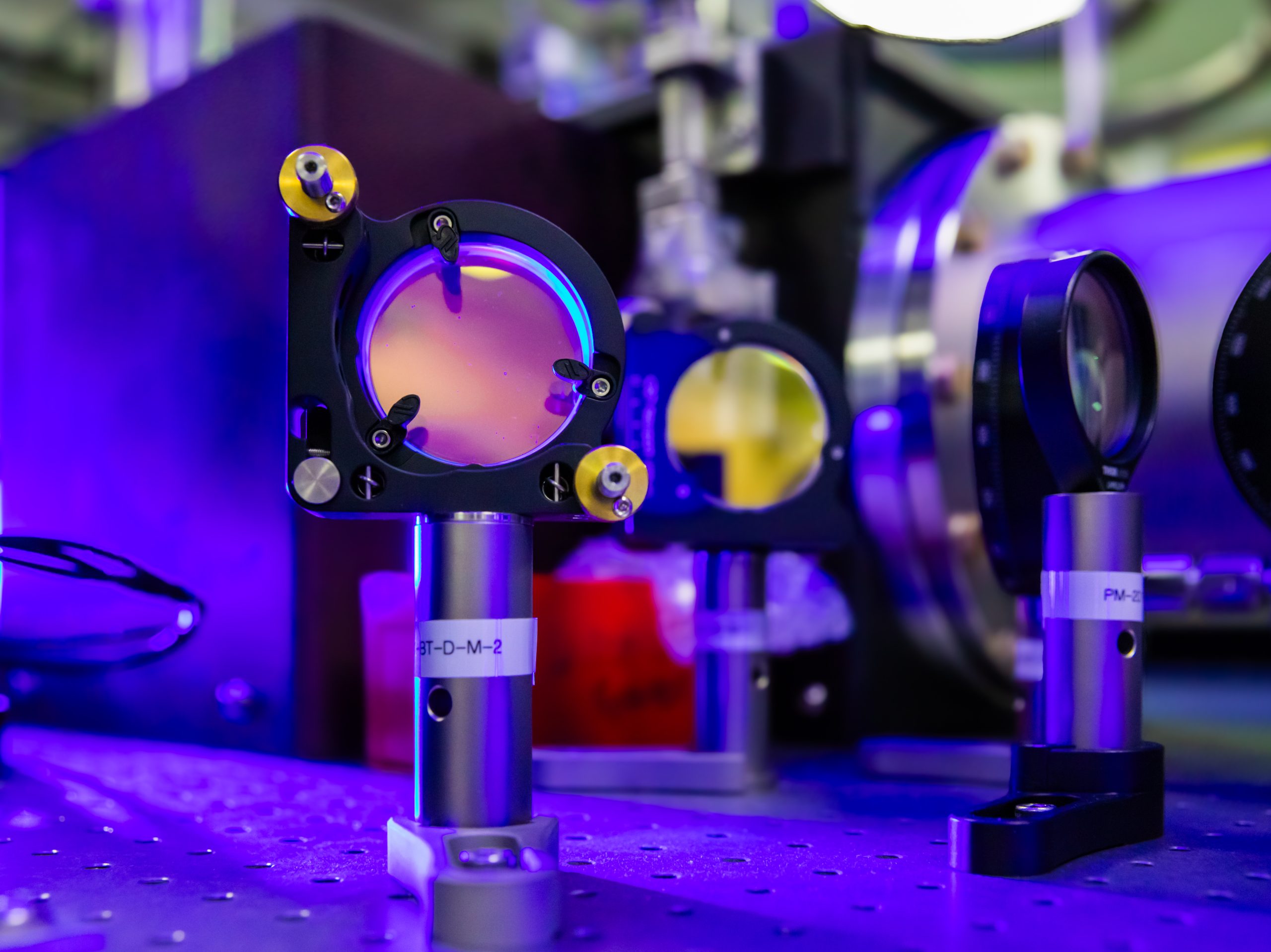
Over the years, the Gemini facility evolved to be one of the preeminent centres of laser-driven plasma accelerators.
With its unique capability of two synchronised petawatt-class laser pulses, Gemini, the predecessor to the EPAC facility, has enabled cutting-edge science as well as optimising secondary sources for applications, from the investigation of quantum-electrodynamic effects to creating bright, laser-like multi-MeV energy X-ray sources via inverse Compton scattering with highly desirable features for imaging applications.
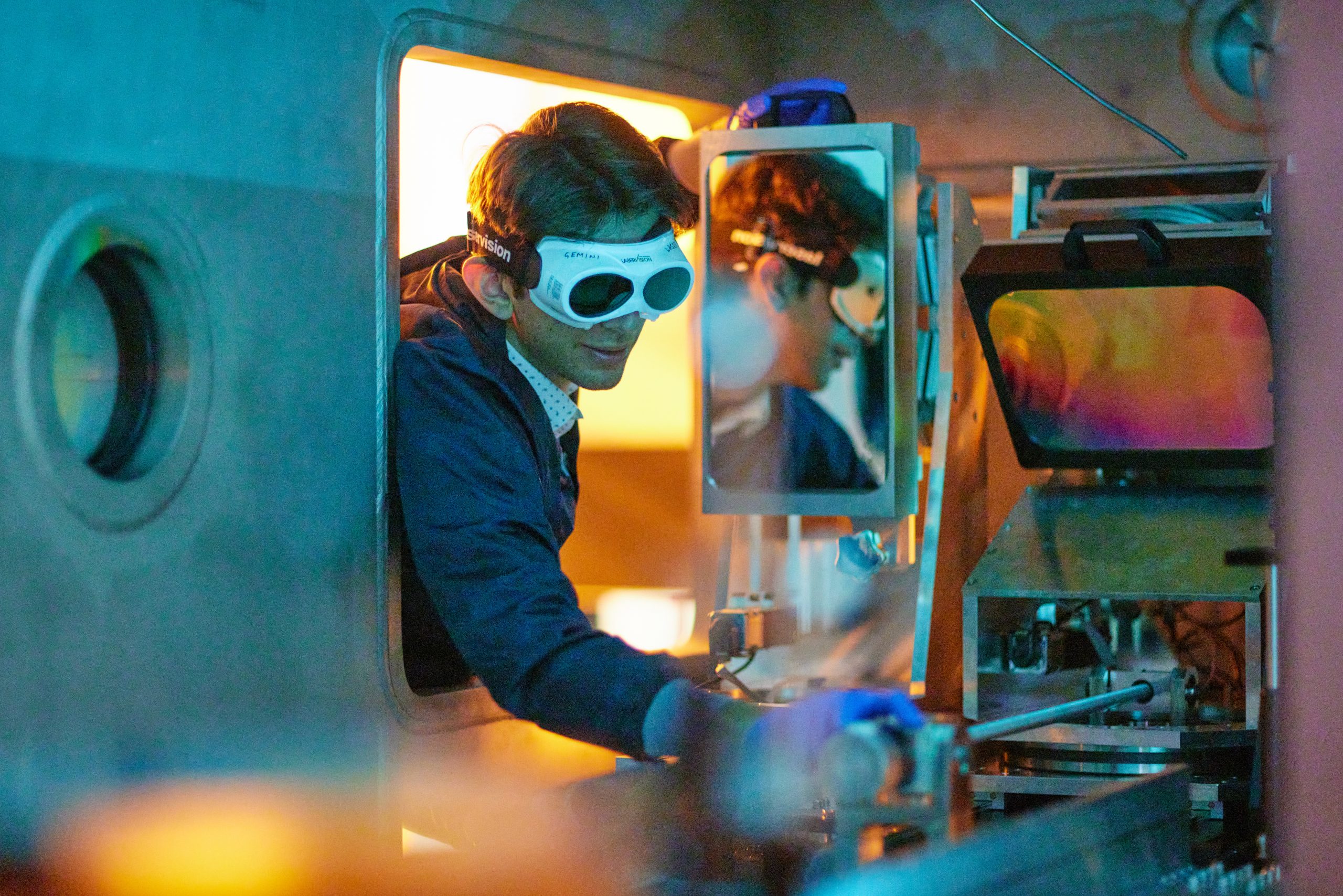
Gemini showed the potential of bright laser-driven X-ray beams for biological, clinical and industrial imaging.
The attraction of a micron-scale source size, sub-picosecond duration, and widely tuneable source has led to collaborations with research groups from university hospitals, advanced manufacturing, and the nuclear, automotive, and aerospace industries.
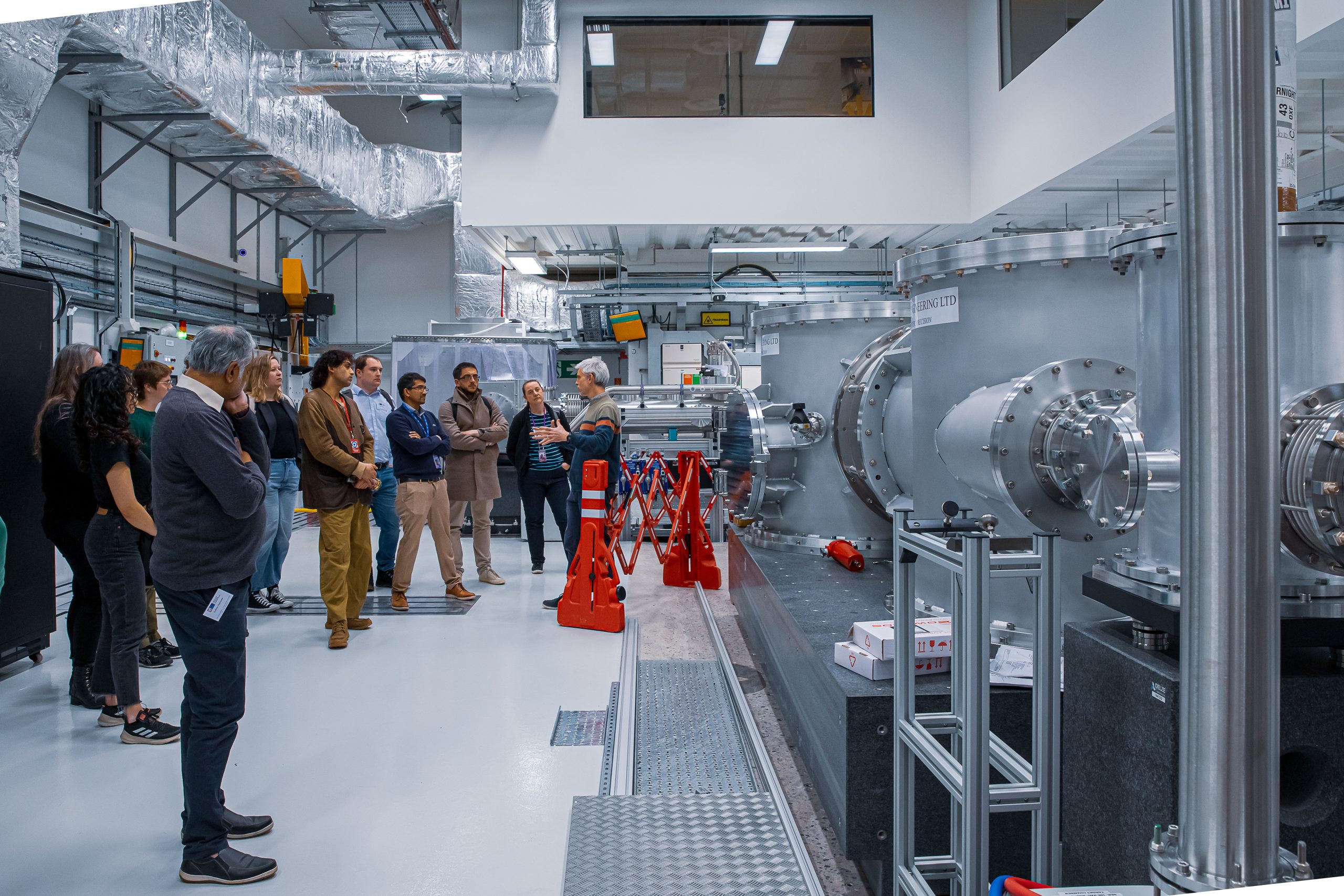
The Extreme Photonics Applications Centre (EPAC) provides a major upgrade to the performance and capacity of plasma accelerator research.
With a higher laser energy (30J), a higher repetition rate (10Hz), and better machine stability, EPAC is driven by the CLF’s internally developed DiPOLE technology. These improvements are essential for both fundamental research with better statistics, and for developing laser-driven accelerators for applications.
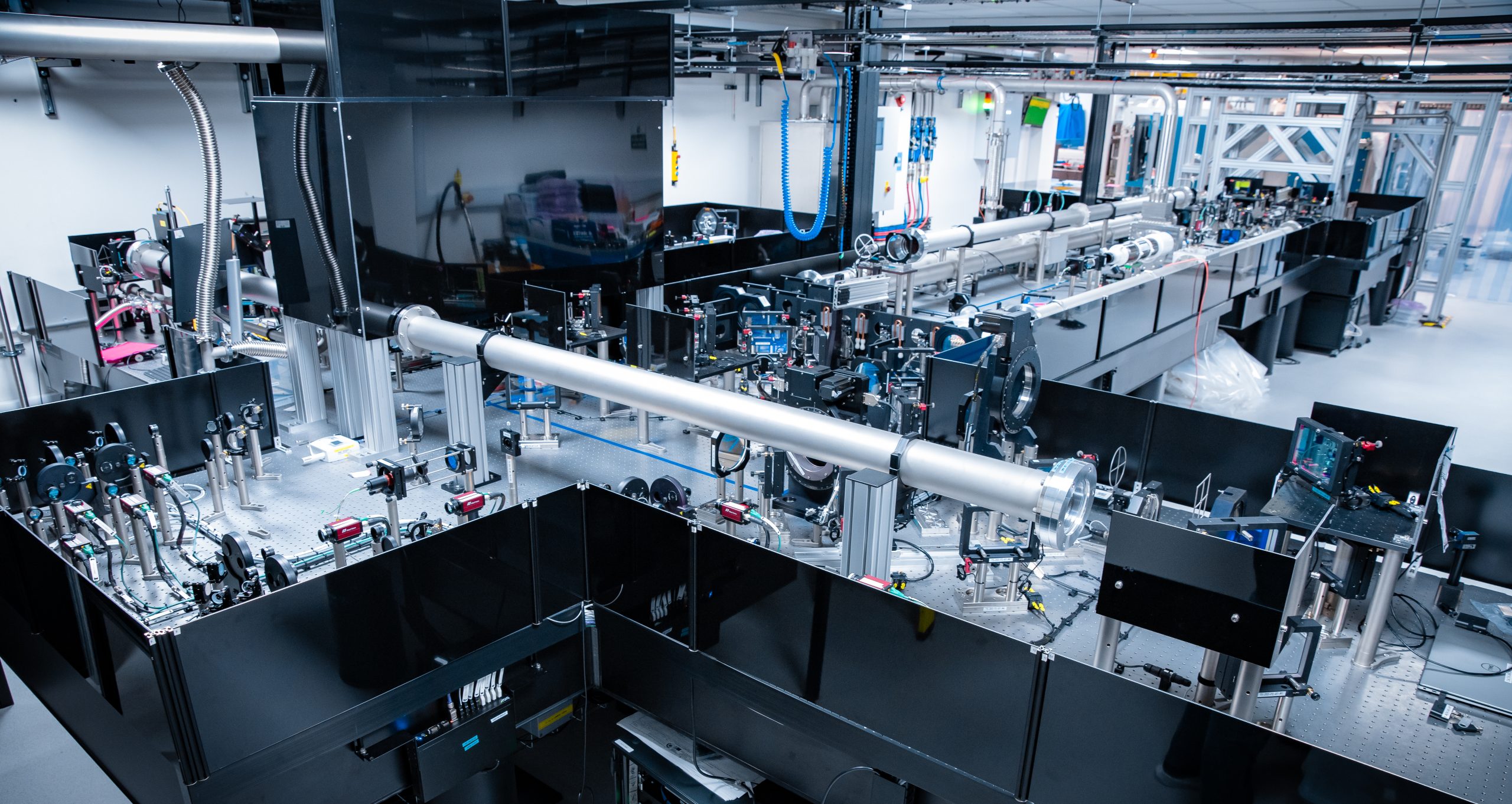
EPAC’s plasma accelerator is optimised using machine-learning techniques, a method that was first demonstrated at the CLF in 2020.
As well as finding stable operating regimes, these algorithms can be used to maximise particular properties (for example, X-ray flux) offering a fully automated tuneable accelerator.
A high-repetition rate data management system for EPAC has been developed in collaboration with STFC Scientific Computing, Diamond Light Source, and ISIS Neutron and Muon Source.