Who we are
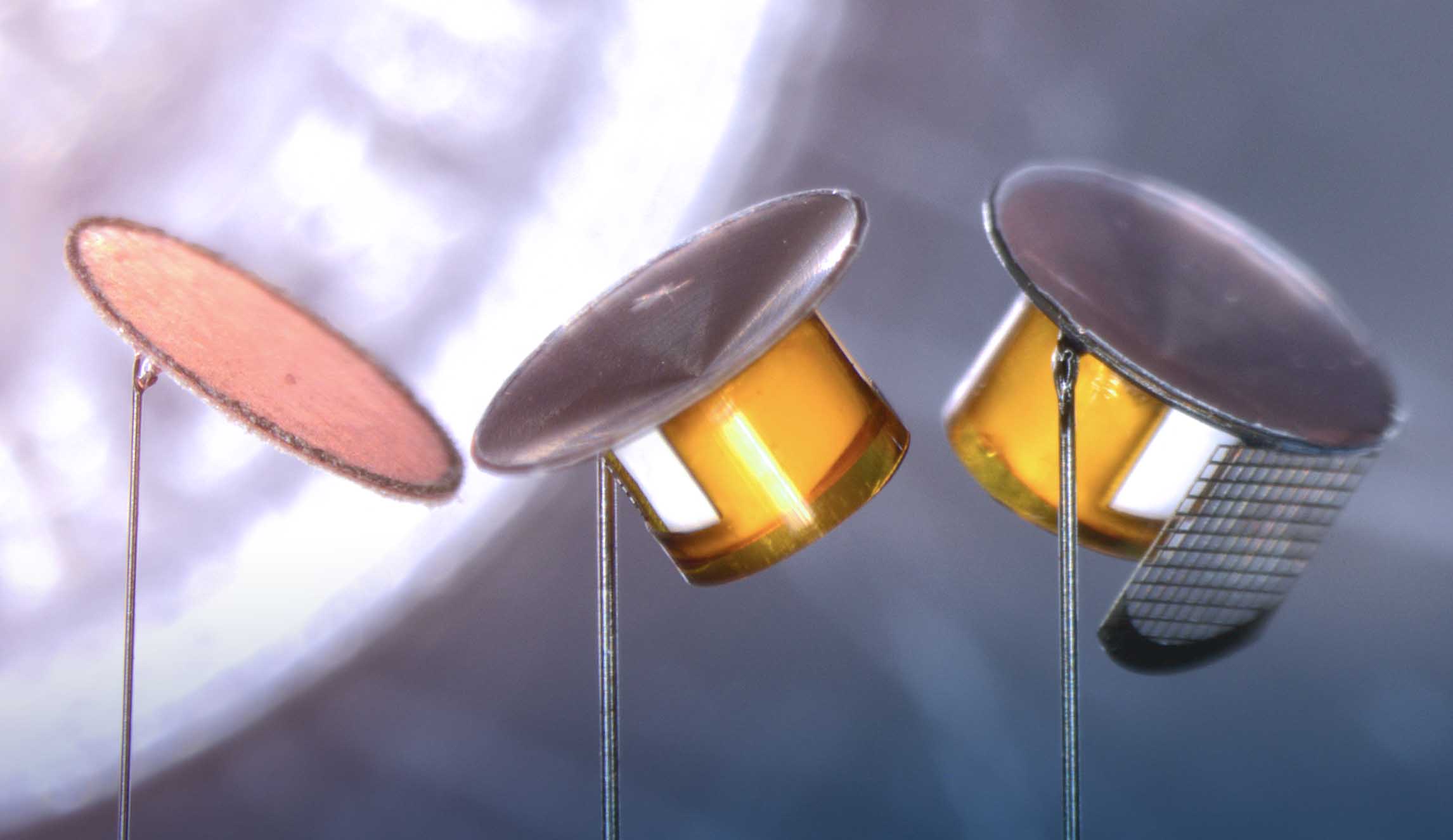
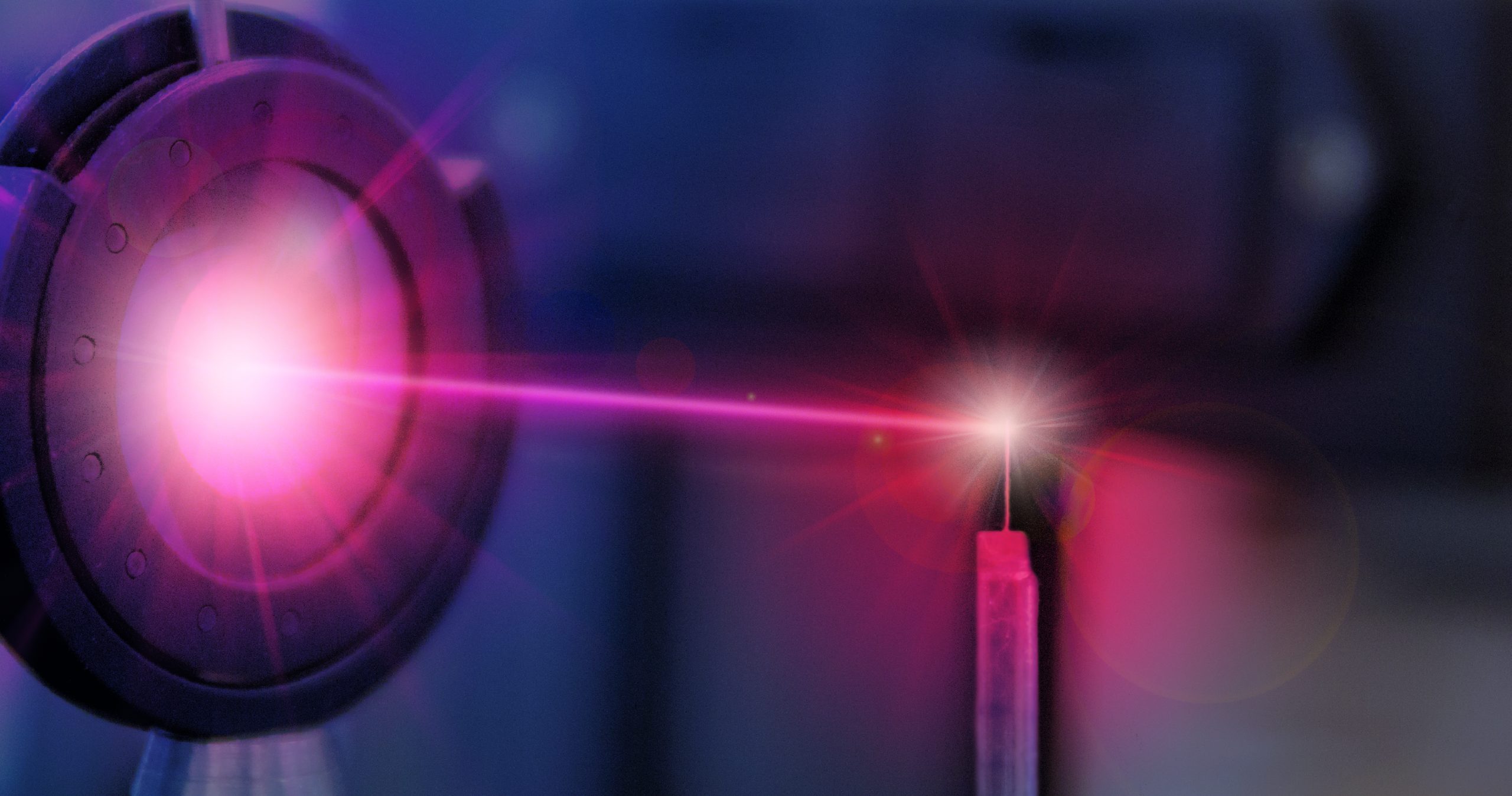
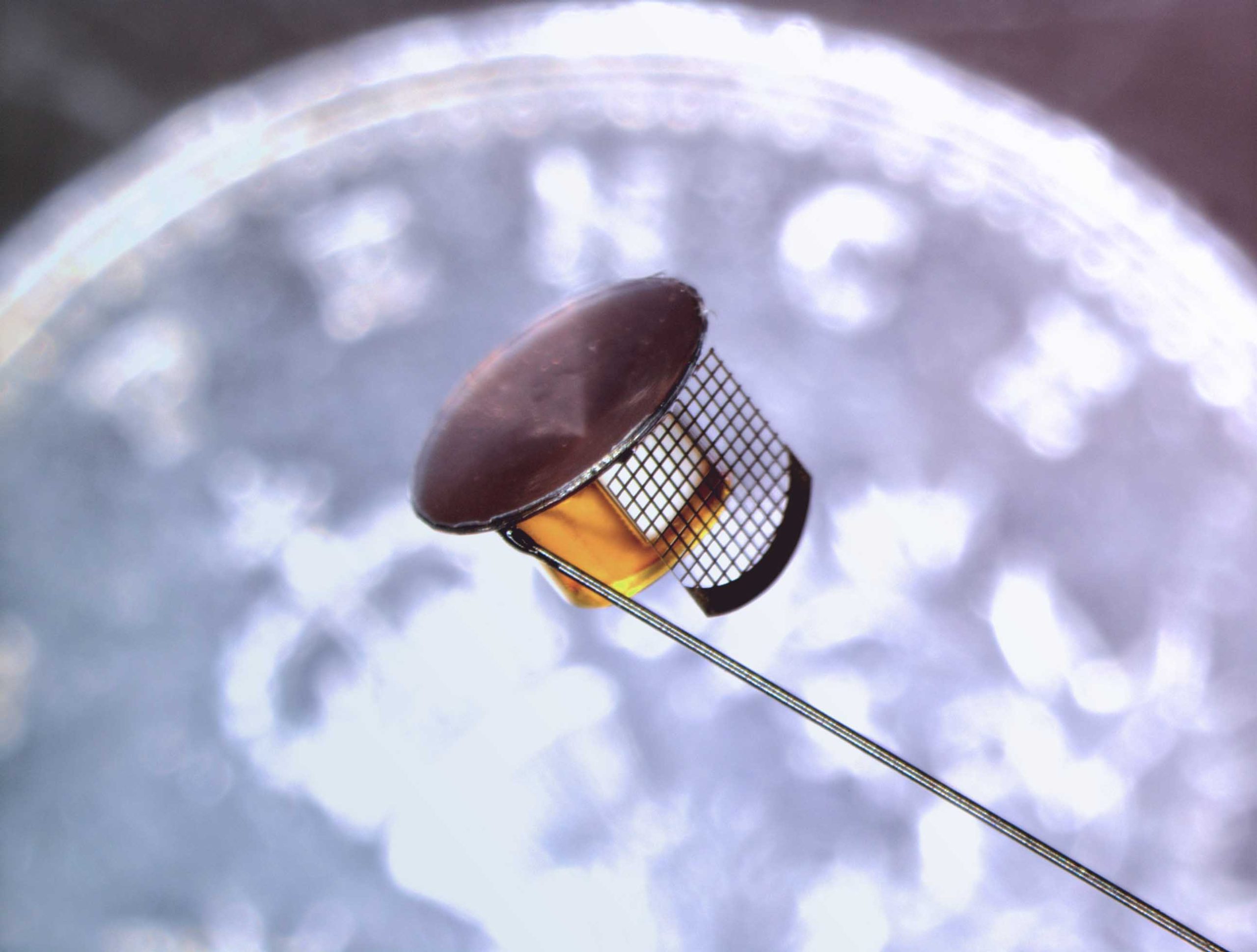
Every high power laser physics experiment requires a minuscule target for each shot. The moment the laser hits the target, an explosive interaction occurs, resulting in, for example, beams of particles such as protons, electrons or muons, or waves of energy that simulate astronomical events. What happens during these interactions is in large part due the target’s design.
We are an expert group of physicists, material scientists, and engineers who provide extremely high specification laser targets manufactured to tight tolerances.
What we do
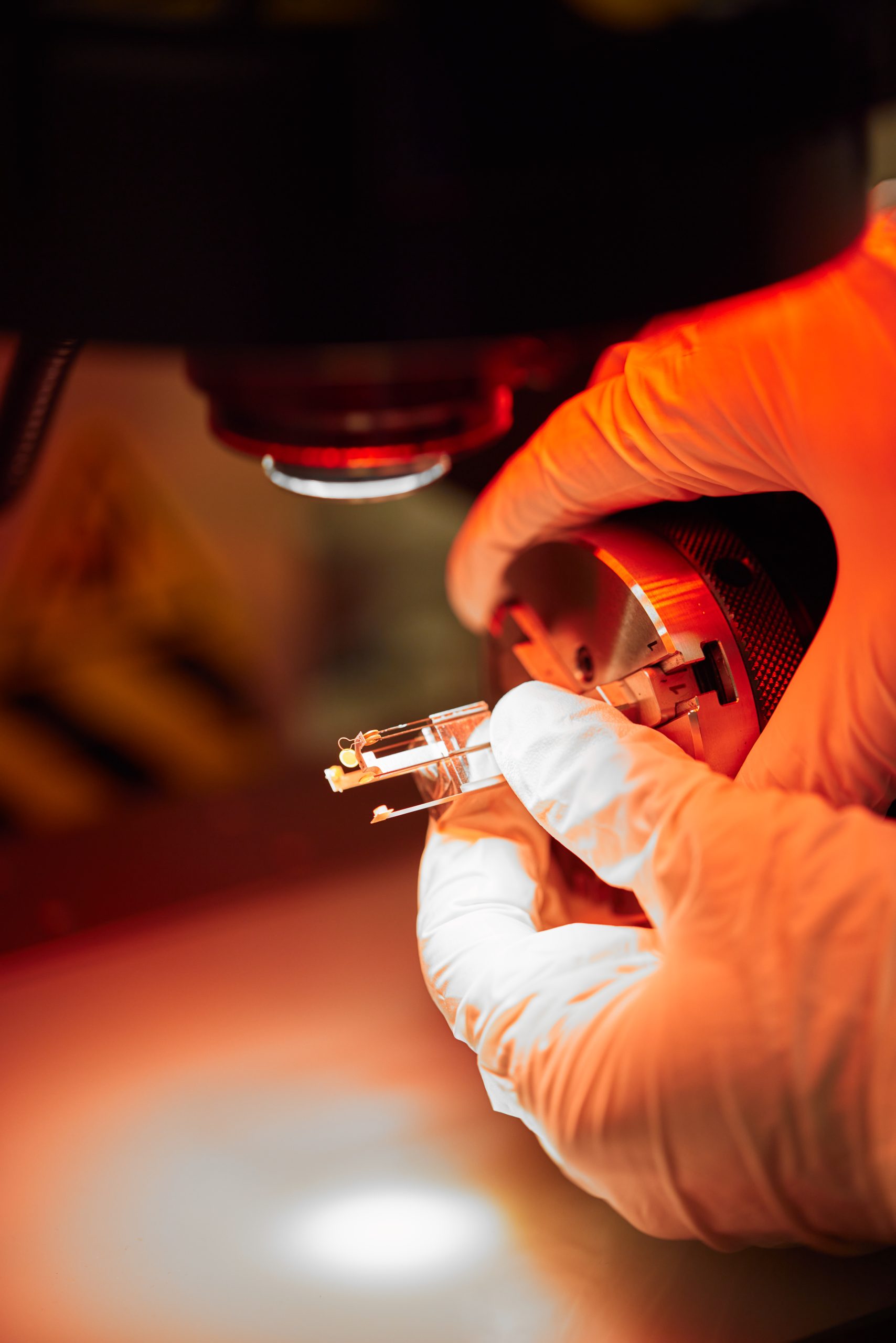
We consult with users before their access time to design unique laser targets based on their experimental needs. We use various methods to build our targets, including automation and 3D printing, as well as a number of world-class specialists who hand-build complex targets to exact parameters.
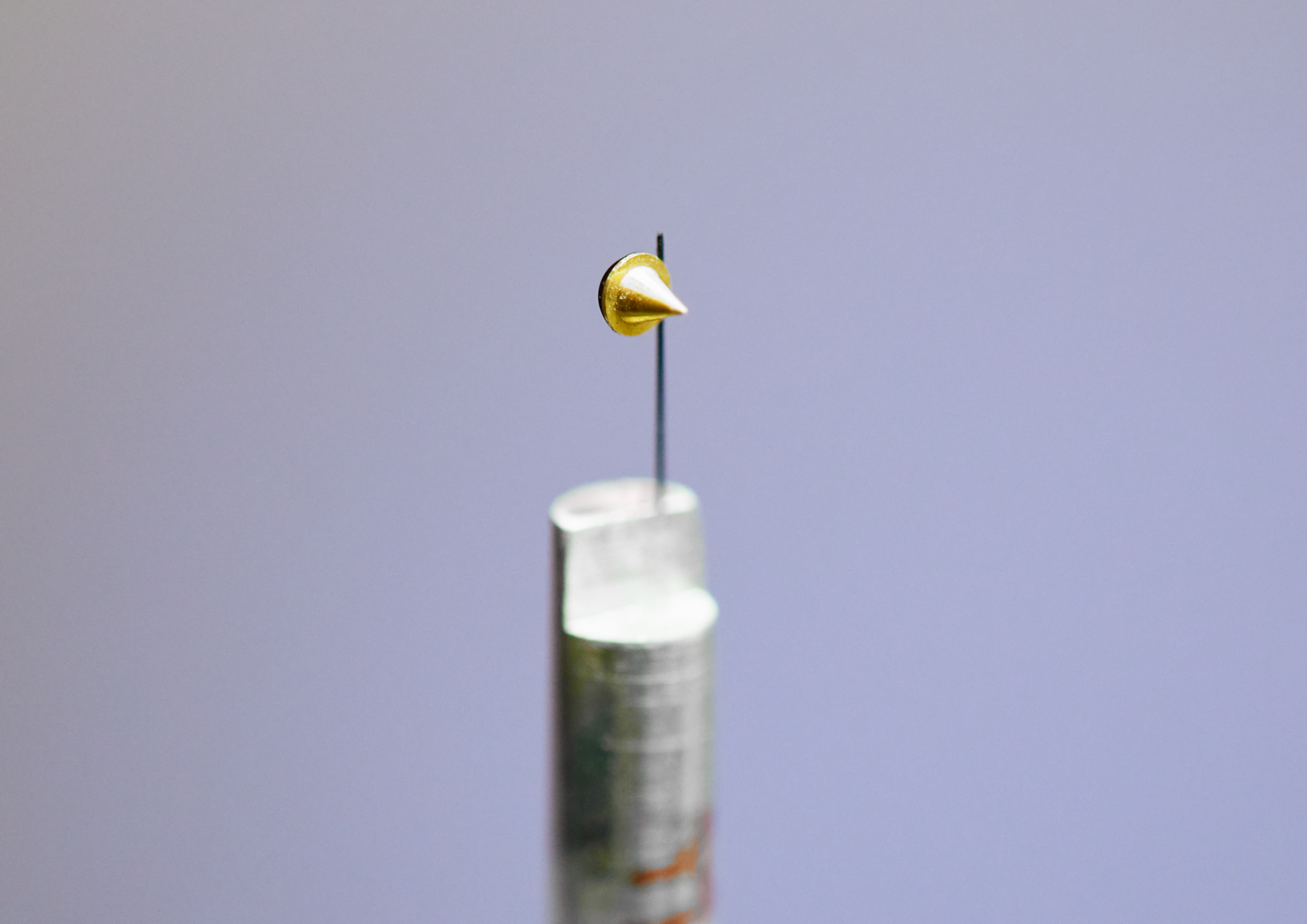
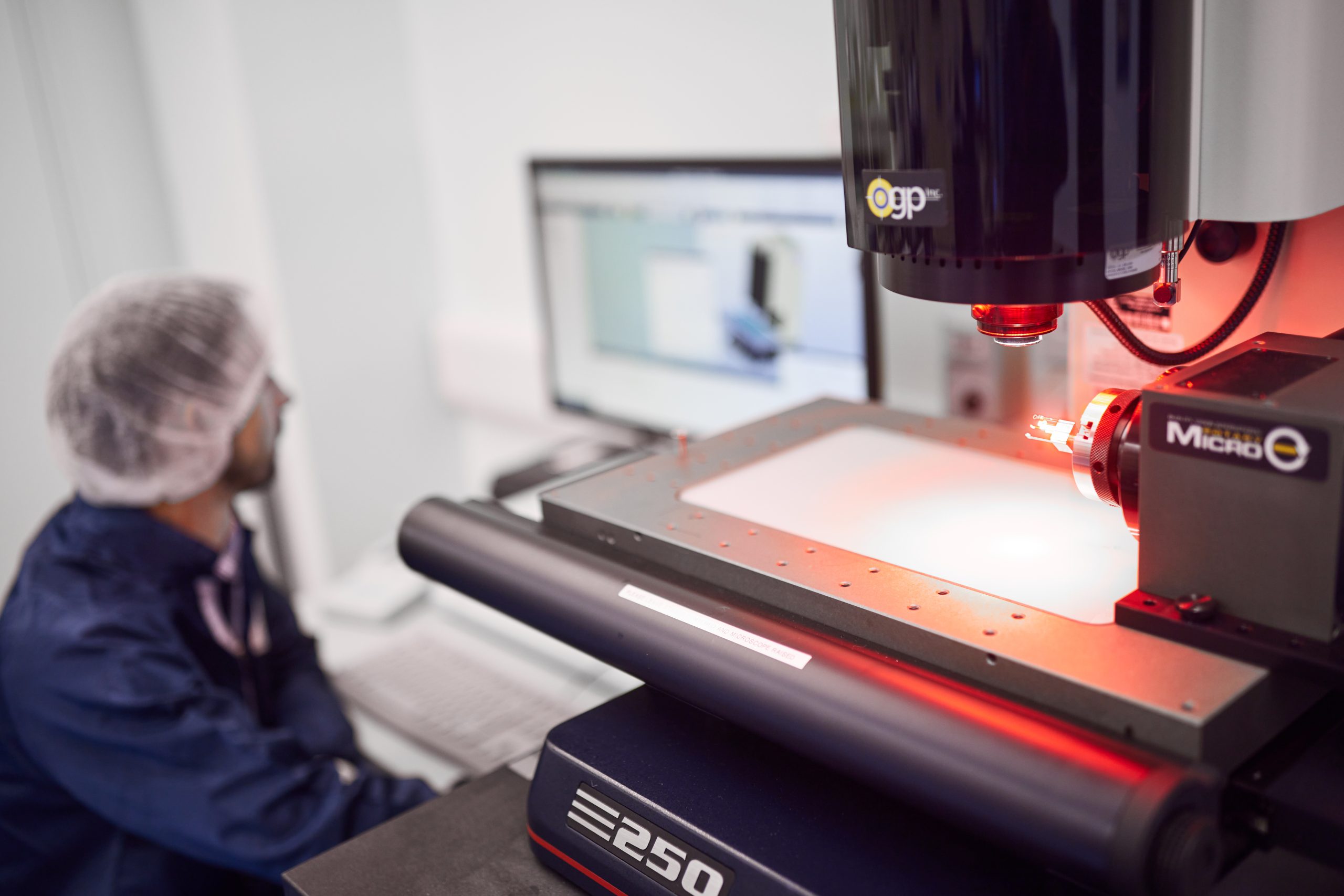
Throughout the process, we use characterisation techniques to verify each target meets the specified metrology, ensuring reliable outcomes for user experiments.
Latest developments
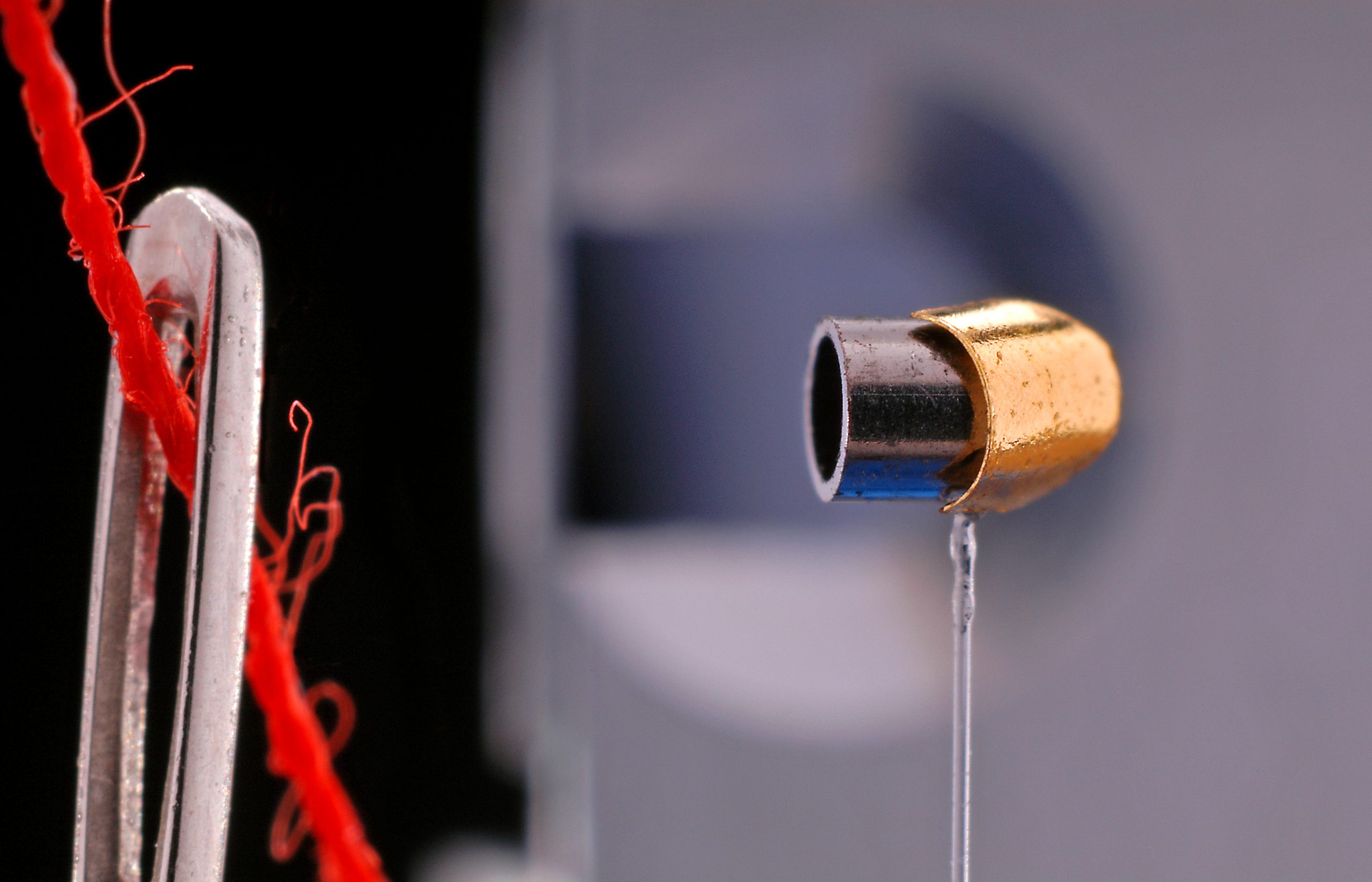
To support the EPAC facility, the group has developed a range of high rep-rate target delivery systems, including:
- liquid targets that are less than a micron thick
- high precision tape target drives that can deliver targets to the laser focus at a rate of 10Hz
More on high-repetition rate targetry further down the page.

Our target makers
Our team not only provides targets to CLF laser facilities, but also to external facilities via the spin-out company, Scitech Precision.
Target fabrication is a highly specialised field, and our team is recognised globally as experts. Working via Scitech Precision, we deliver targets on commission to laser facilities across the globe, including to the USA for laser fusion research.

Types of targets
Providing user support for a broad experimental program requires expertise on how to build a number of different laser targets.
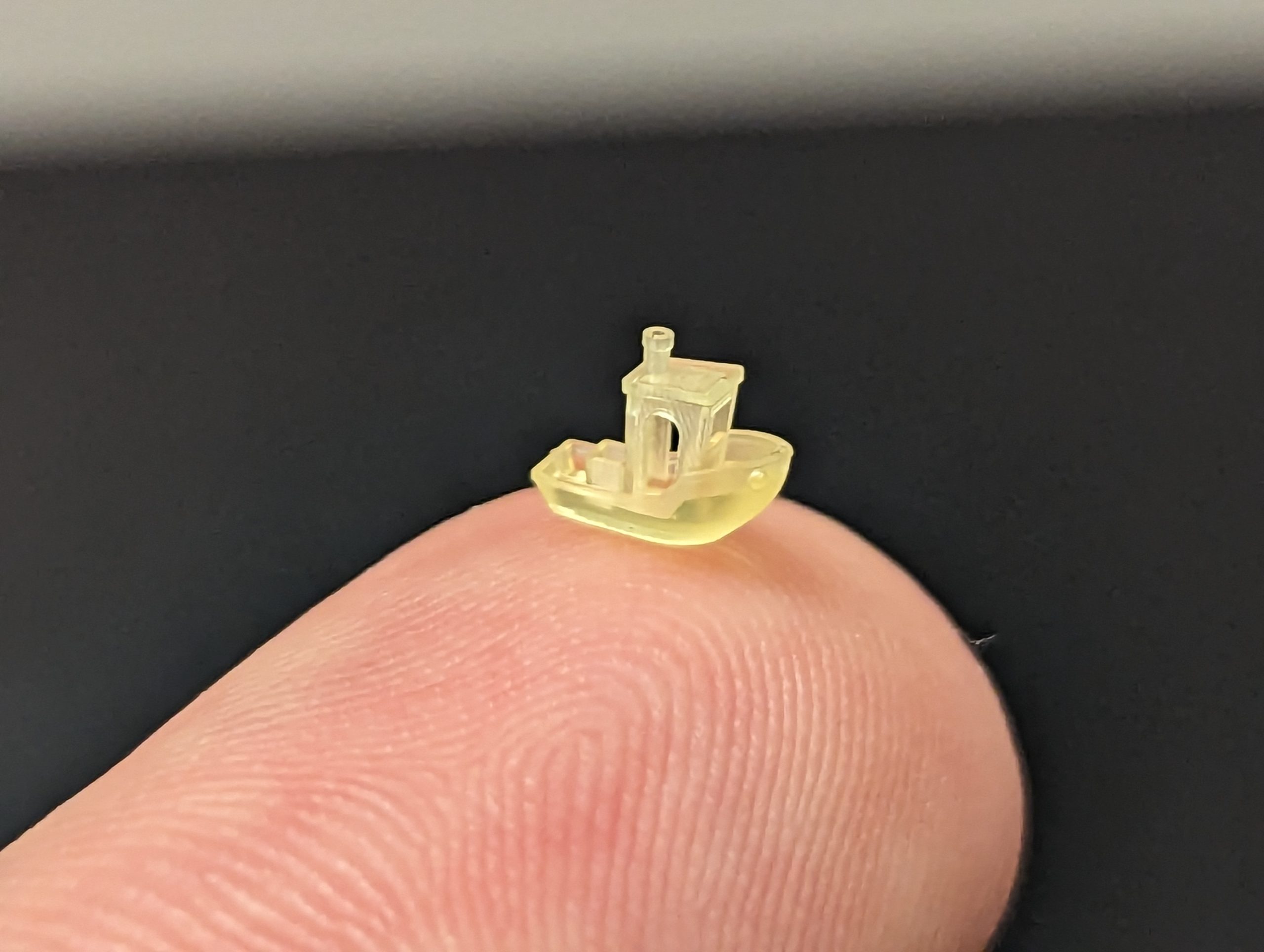
Experiments are often fast moving and change rapidly as the science evolves, targets are often costly and time consuming to produce. The advancing field of 3D printing (or additive manufacturing (AM)) is enabling the group to be more cost efficient, adaptable and responsive in its support of the user community.
We have:
- medium resolution printing that enable support structures and jigs to be manufactured within a day
- high resolution (5 to 10 microns) printing that provides the ability to manufacture target components quickly and to high specifications
- sub-micron resolution capabilities with our 2PP system.
To achieve the best results, we have skilled teams that are able to maximise the use of these systems and push AM to its limits in target manufacture.
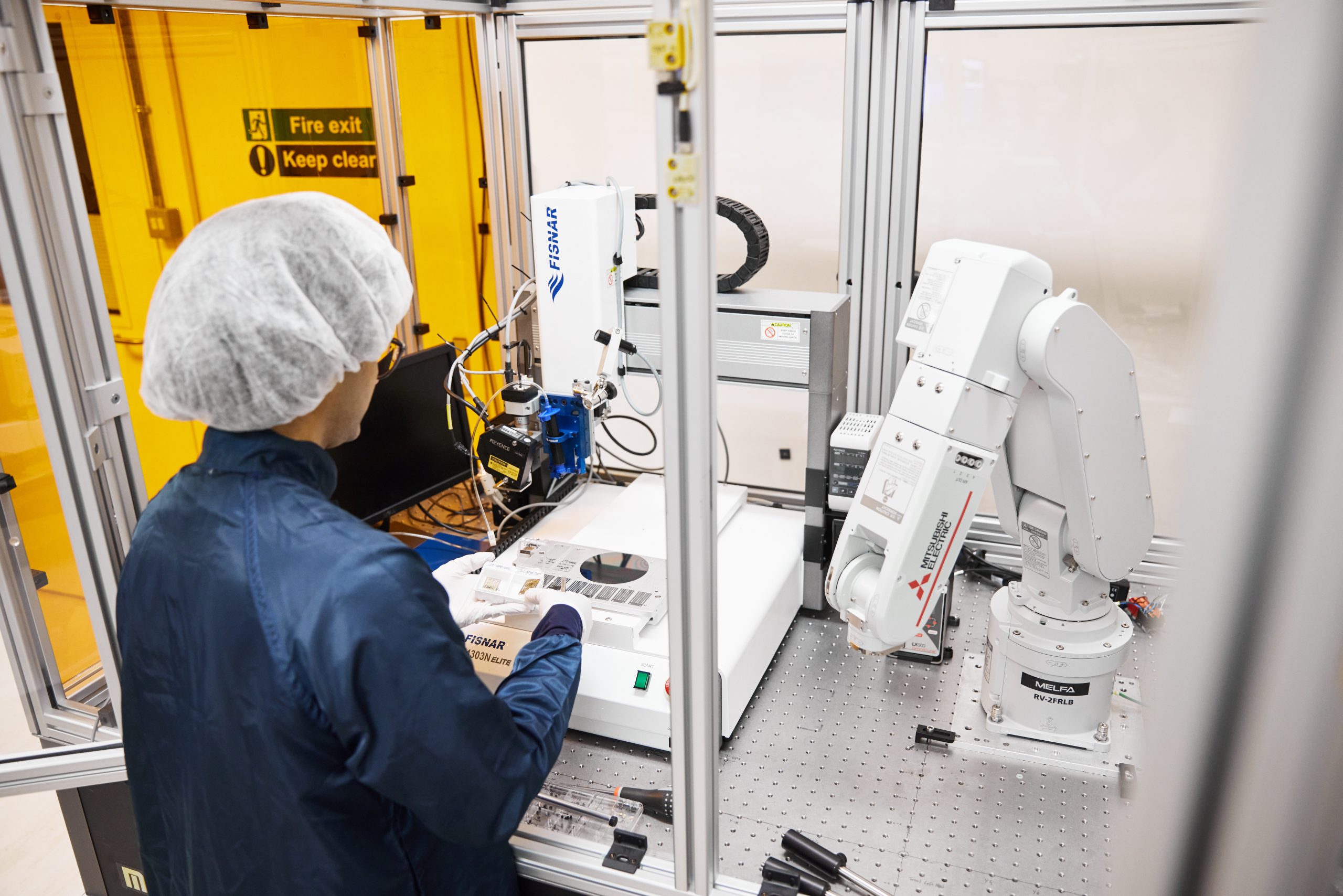
The Target Array Assembly System (TAAS) system is an integration of robotic arms and grippers with vision recognition software and automated glue dispensing and curing and it allows the group to manufacture arrays of targets for high rep-rate experiments.
These samples can be coated and machined to size in batches before being spread on a carrier plate. The robot system can then recognise appropriate targets and assembly to the required tolerances – reducing production time and staff effort.
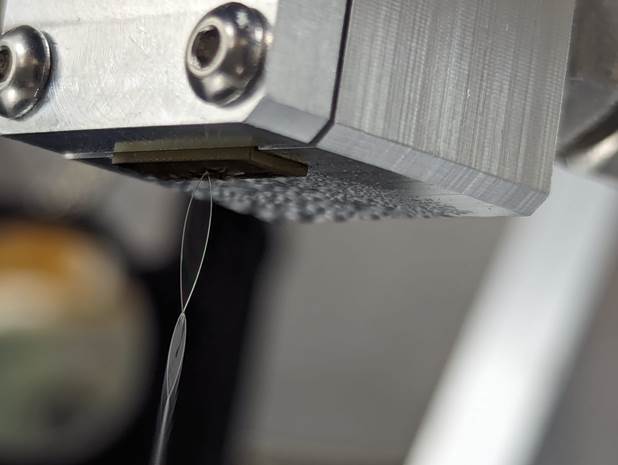
To fulfil the need for large numbers of targets for the next generation of high-repetition rate facilities such as EPAC and EUXFEL, the team has been developing methods to batch produce targets and target structures.
Liquid targets
In collaboration with the user community the group has developed a liquid target system that can be used for high-rep rate experiments. We continue to develop the system and are researching the possibilities of using it as a plasma mirror system for EPAC. The system is easily configurable for liquid leaf, or liquid jet/droplet targets.
Tape targets
The integration of a high specification tape drive with high stability in the laser focus direction (1 micron) enables shot rates of up to 10Hz to be achieved without re-focussing. In addition, the groups complex tape target manufacture capability allows structured and coated samples to be supplied.
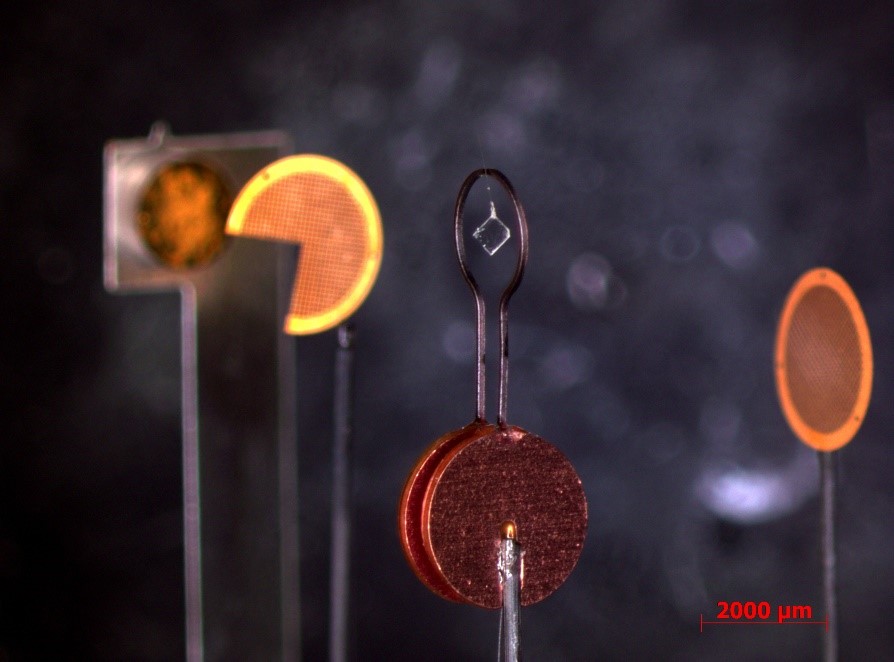
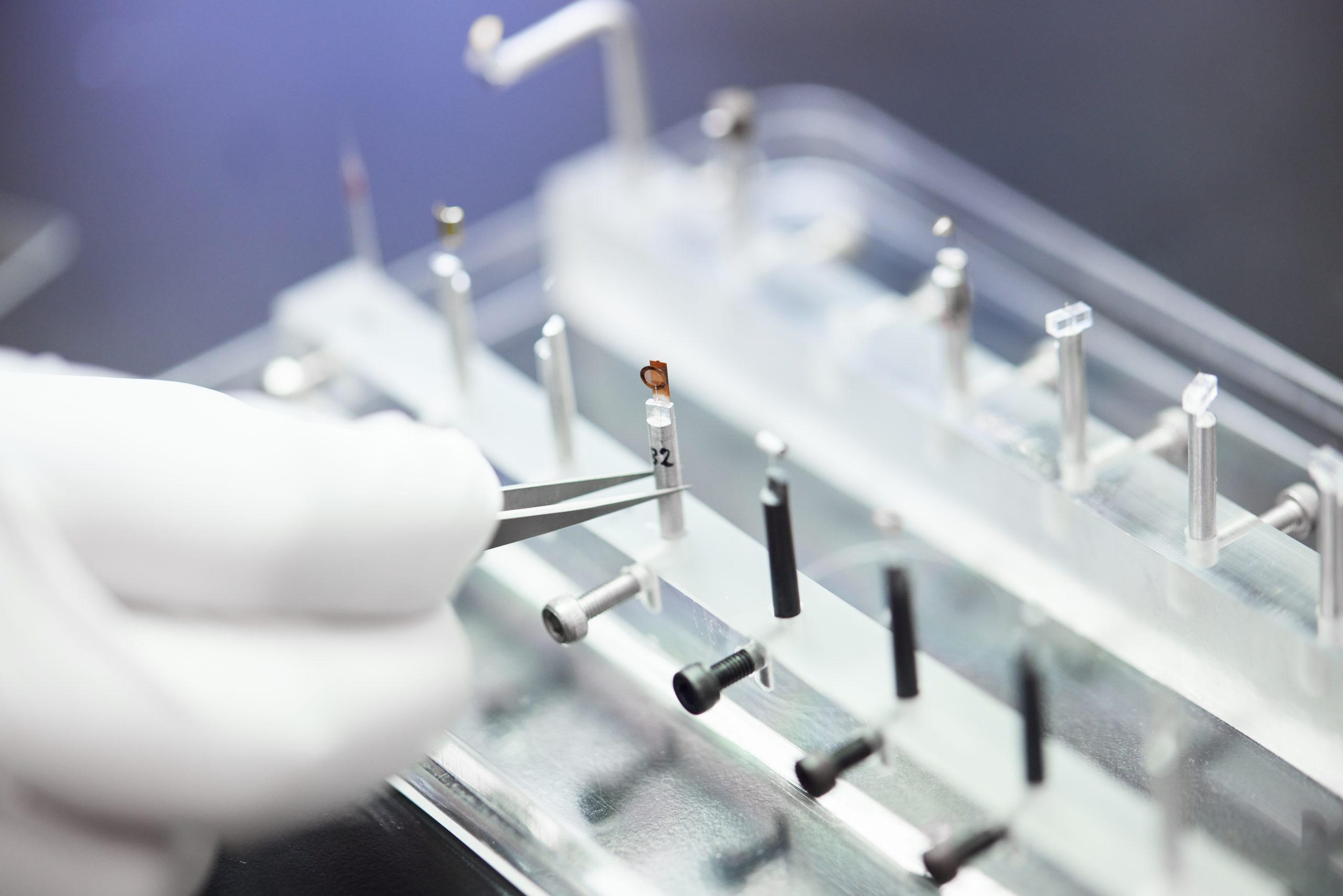
We have over 30 years’ experience in assembly of multi-component geometries with sub-millimetre tolerances.
The most advanced automated target fabrication technology is only capable of simple, commonly produced solid targets, and even then, building them by hand is sometimes more efficient.
For complex targets, we have two highly skilled fabricators with an extraordinary degree of fine motor skills who can hand-assemble to high tolerances.
Specialist techniques
Regardless of the types of target we produce, specialist techniques are employed during the to preparation, production, and assessment of each one.
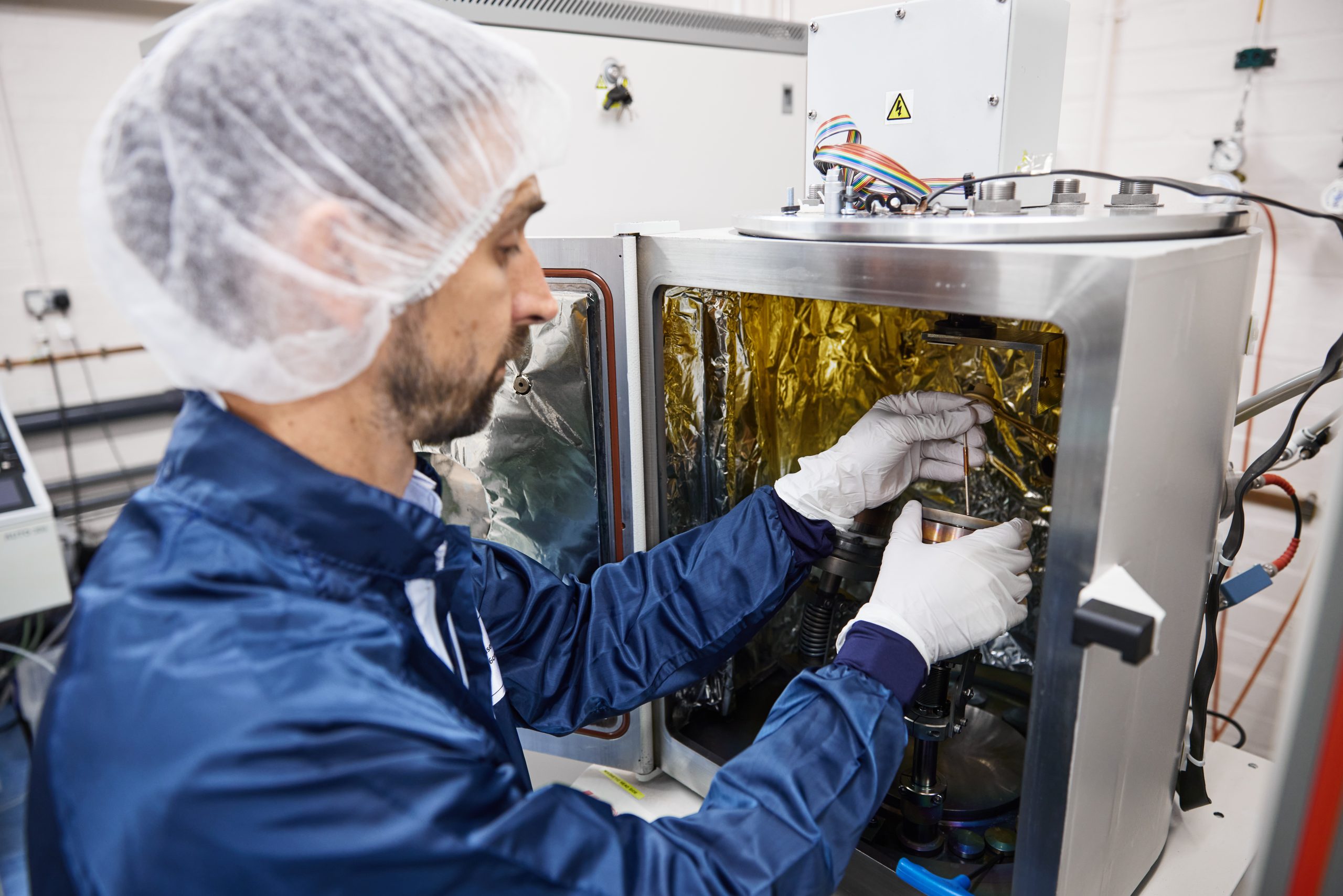
The majority of targets that are made by the group have the requirement for very thin layers of metallic or plastic coatings.
These are manufactured using a range of capabilities, including physical vapour deposition (PVD) such as thermal and electron beam evaporation and sputtering, and chemical vapour deposition (CVD). The manufacturing process often involves multi-layer or multi-element coatings, which requires an understanding of multiple processing steps.

Inertial fusion target manufacture
Through the UPLiFT project, we invested in the development of technologies to produce Inertial Fusion Energy (IFE) relevant targets.
We are investigating the suitability of 2-Photon-Polymerisation to produce the micro structured foam and shell targets that hold the fuel. We are using micro and macro fluidic devices to produce plastic shell targets that require extremely high tolerances on diameter, form, wall thickness and surface roughness.
This work will not only support UK academics carrying out experiments, but will also enable us to up-skill the UK community in fusion target manufacturing. We are working with a number of universities and national laboratories to meet our goals.
Vulcan Dark Period support
The Vulcan facility is currently closed to users to enable work its upgrade to Vulcan 20‑20.
During this period, the CLF is offering a supportive access programme, which includes targetry for external experiments.
Find out more about Vulcan Dark Period support.
Key publications