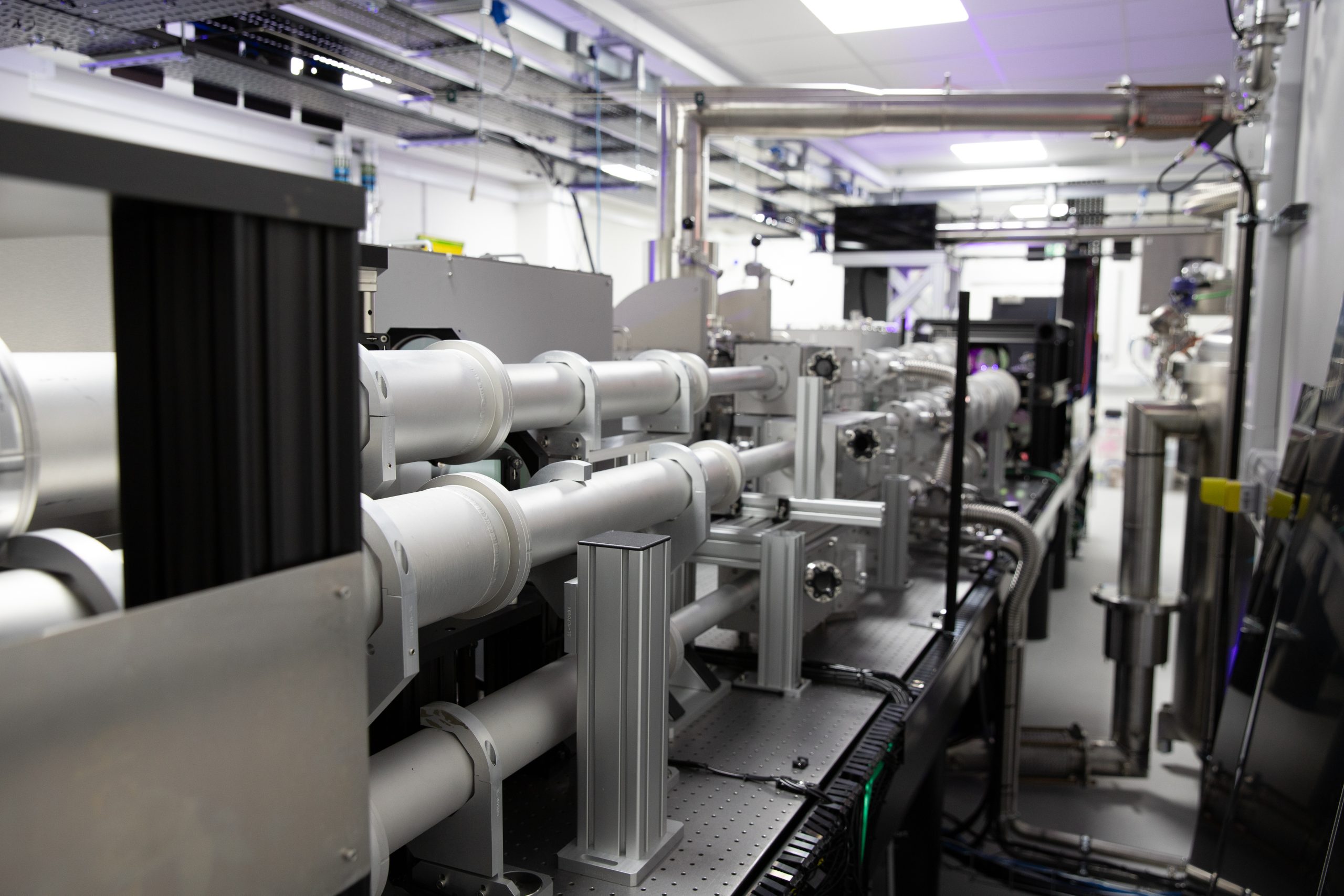
EPAC
The Extreme Photonics Applications Centre (EPAC) is a £100 million partnership with the UK MoD (£22 million) to develop and apply novel, laser based, non-conventional accelerators and particle sources. The beams produced will have multi-modal, dynamic and highly penetrating imaging capabilities and will deliver new opportunities for engineering, materials, and life sciences research, as well as having a large range of applications for industry and defence. EPAC will greatly increase the scope of user communities accessing high power laser facilities at the CLF. EPAC will enable the exploitation of laser-driven plasma accelerators operating at 10Hz for the first time.
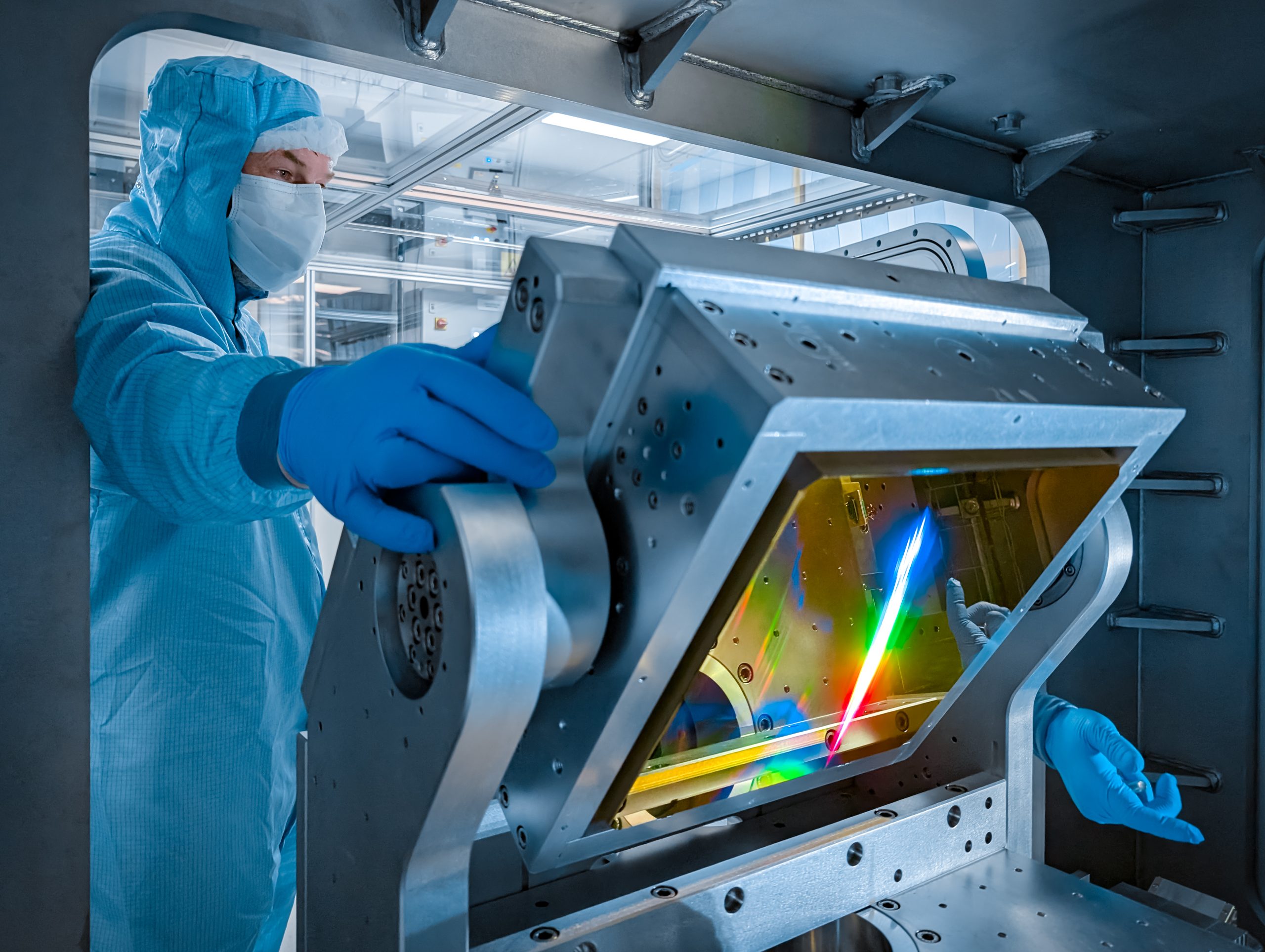
Vulcan 20-20
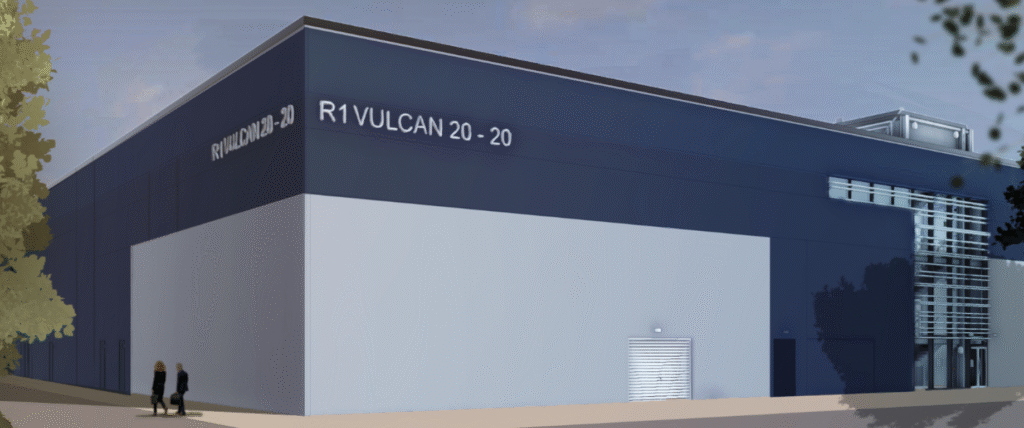
Vulcan 20-20 is an £85 million upgrade to the Vulcan facility, increasing its peak power to 20PW (20 times the power of the current facility) and total energy to 20kJ. Vulcan 20-20 will be the highest power laser facility in the world. This will enable new areas of research, for example potentially allowing researchers to observe the effects of QED dominated plasmas, advancing astrophysics research, and supporting the development of laser inertial confinement fusion.
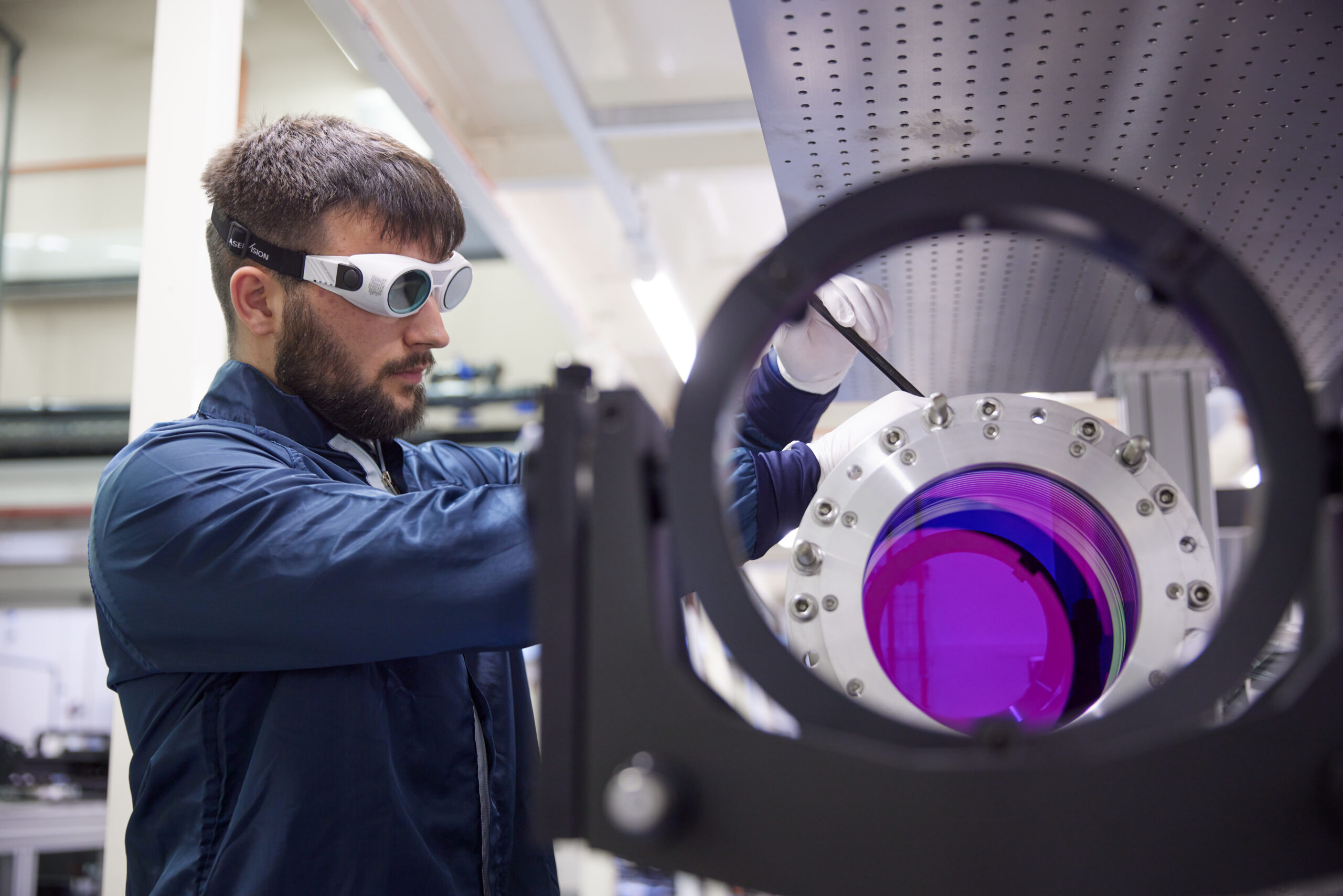
HiLUX
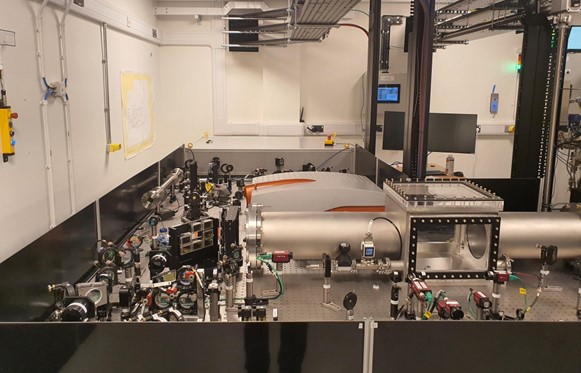
HiLUX is a major £18 million transformation of the CLF’s ultrafast laser and infrared, Raman and XUV spectrometer infrastructure and upgrades the Artemis and Ultra facilities. HiLUX will provide a new generation of multi-kHz lasers, detectors, sample handling technologies and efficient handling of large data sets. A ten- to hundred-fold increase in average power of lasers will drive new secondary light sources that can span THz to XUV. A hundred-fold increase in laser repetition rate and data rate will unlock new science applications and greatly reduce timescales to results. The goal is to extend the applications of our facilities into more complex “real-world” systems in chemistry, biology, and materials.
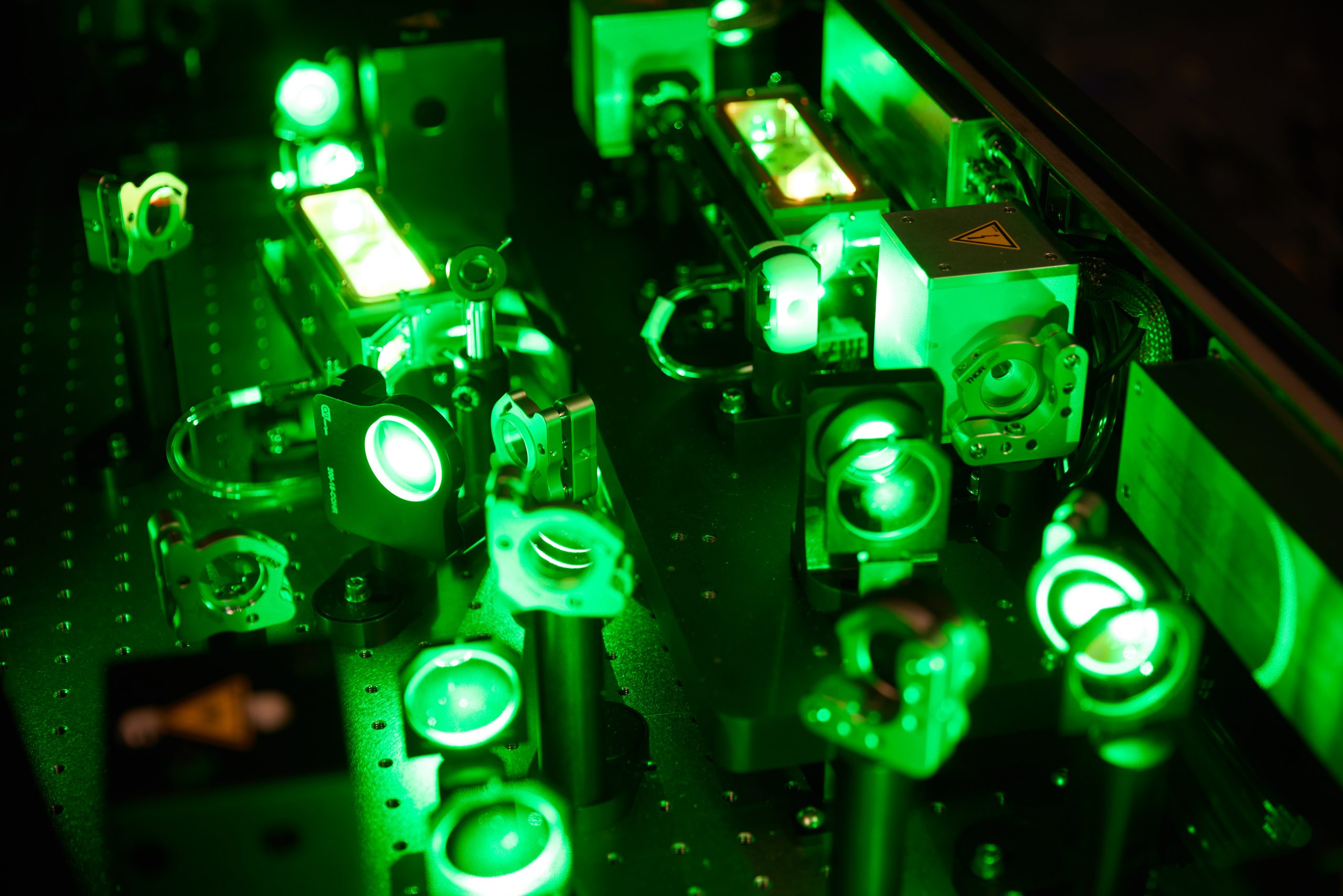
UPLiFT
The UK Programme of Laser Inertial Fusion Technology for Energy (UPLiFT) is an exciting project led by the CLF and funded by the Department for Energy Security and Net Zero (DESNZ).
UPLiFT will provide a focus in the UK for the development of technologies relevant to energy-generation via laser inertial fusion. In doing so, UPLiFT aims to grow the UK’s laser fusion research base and accelerate the development of UK knowledge, technology and expertise in this area.
Octopus
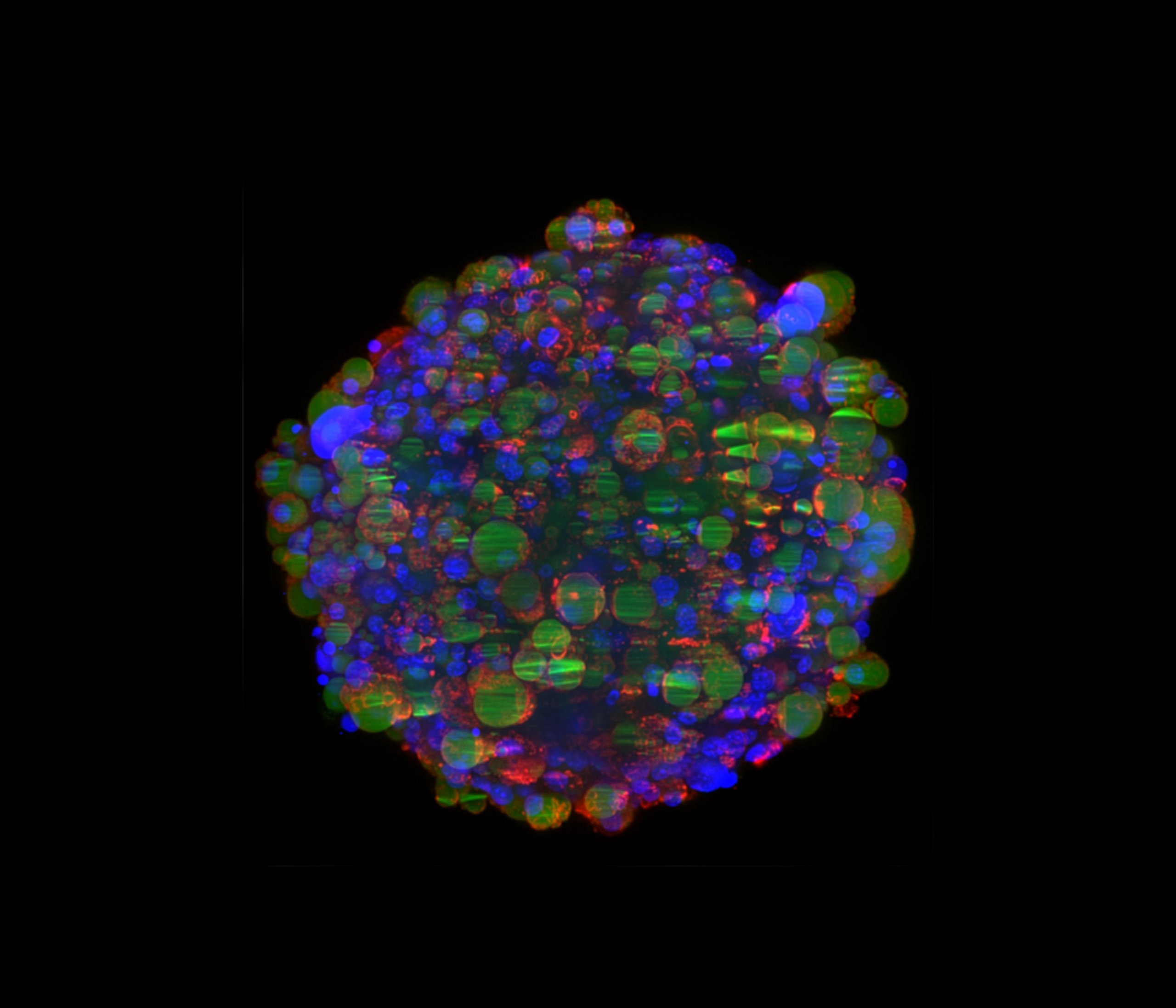
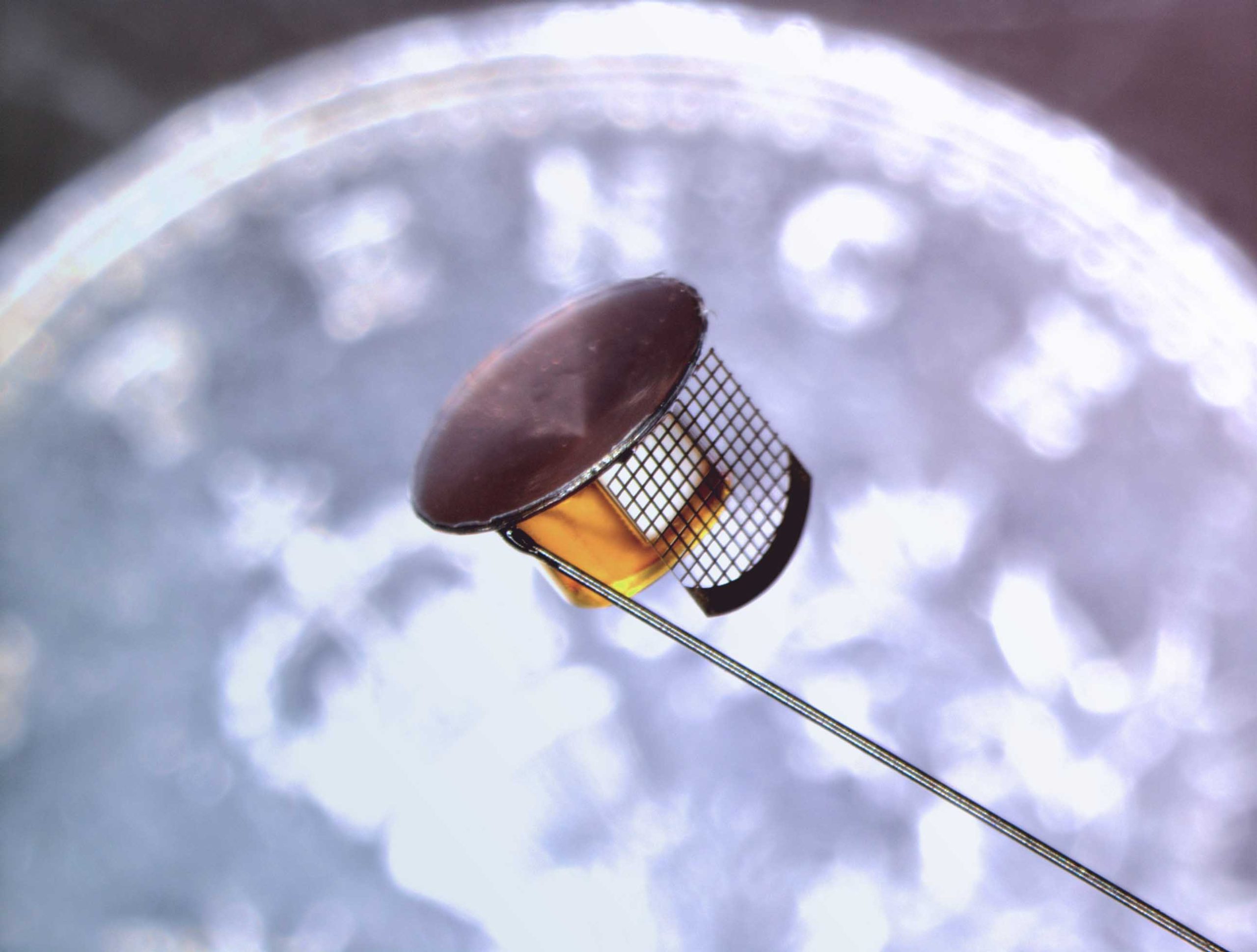
For optical imaging, a different approach is being taken to upgrading the Octopus facility. As it is a modular system, different parts can be changed individually, putting upgrades within the range of internal CLF and STFC funding, and responsive mode research grants. This approach has been successful in the past. Current upgrades are aimed at developing correlative light and electron microscopy (CLEM) capability, particularly at cryogenic temperatures.
Octopus also has facilities for environmental research, combining optical imaging, trapping and spectroscopy techniques for research in, for example, atmospheric chemistry and bioremediation. The aim is to grow this area and we have made investments to upgrade the existing equipment. Again, investment here is expected to bring a new user community to the facility.