Experimental design and engineering

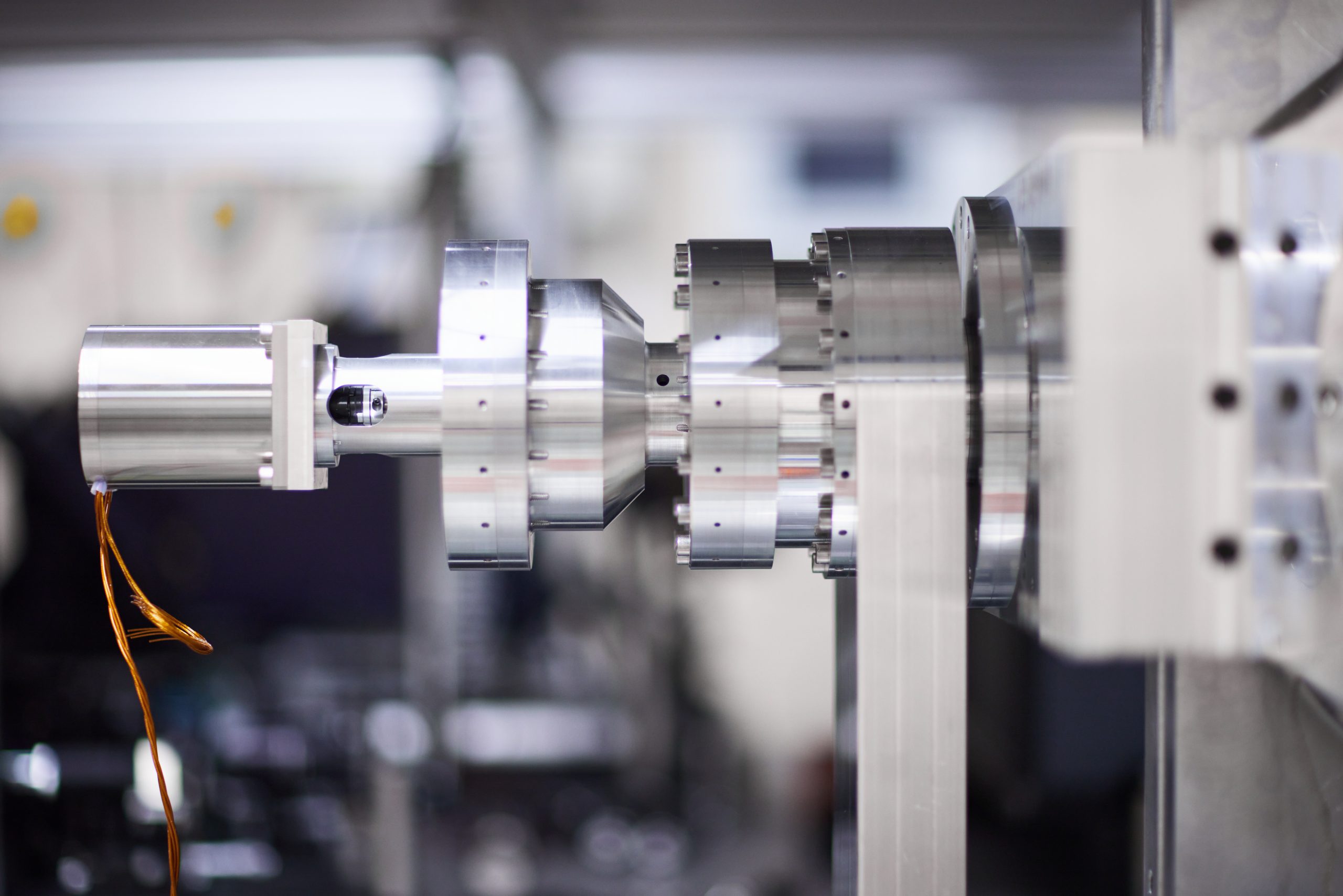
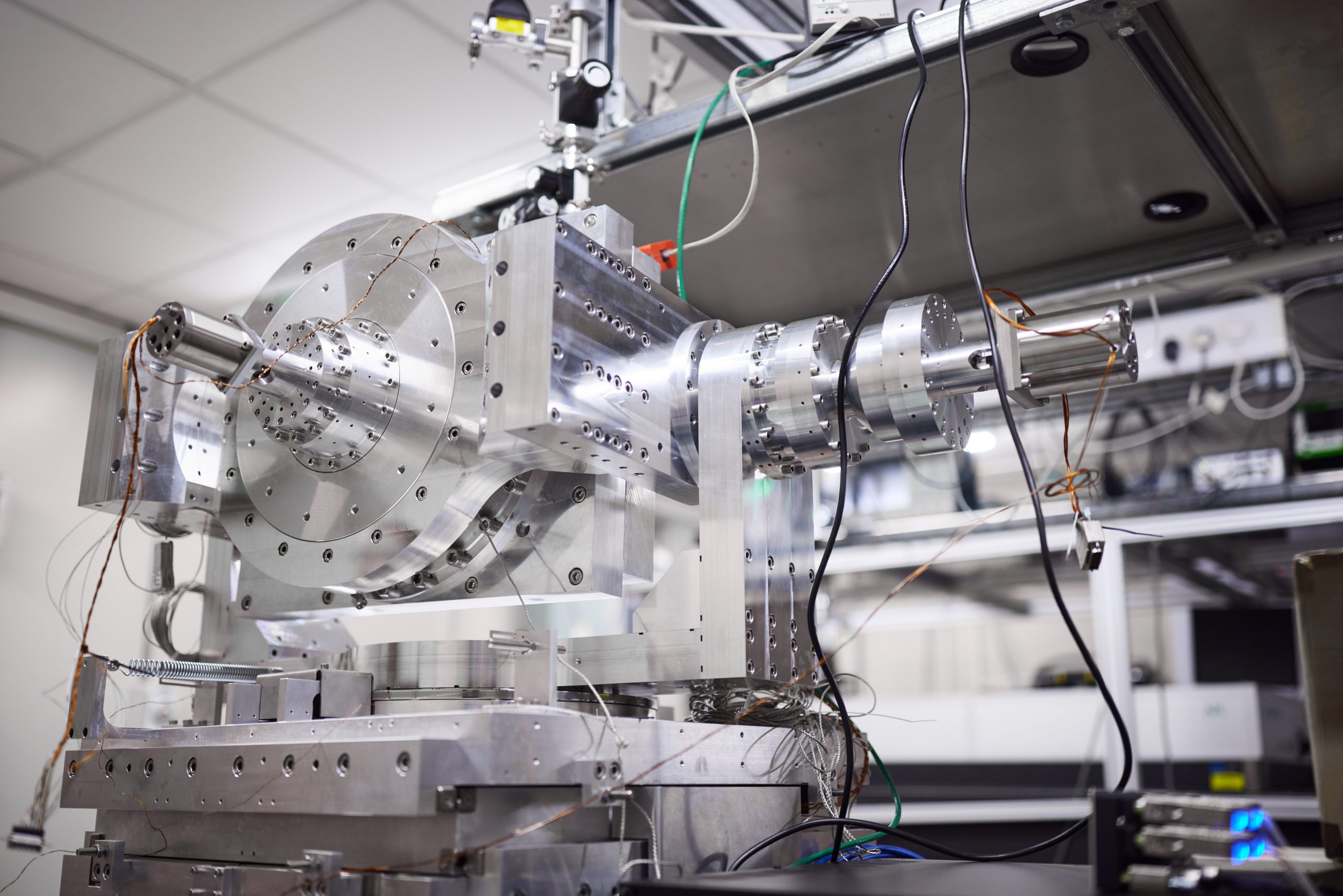
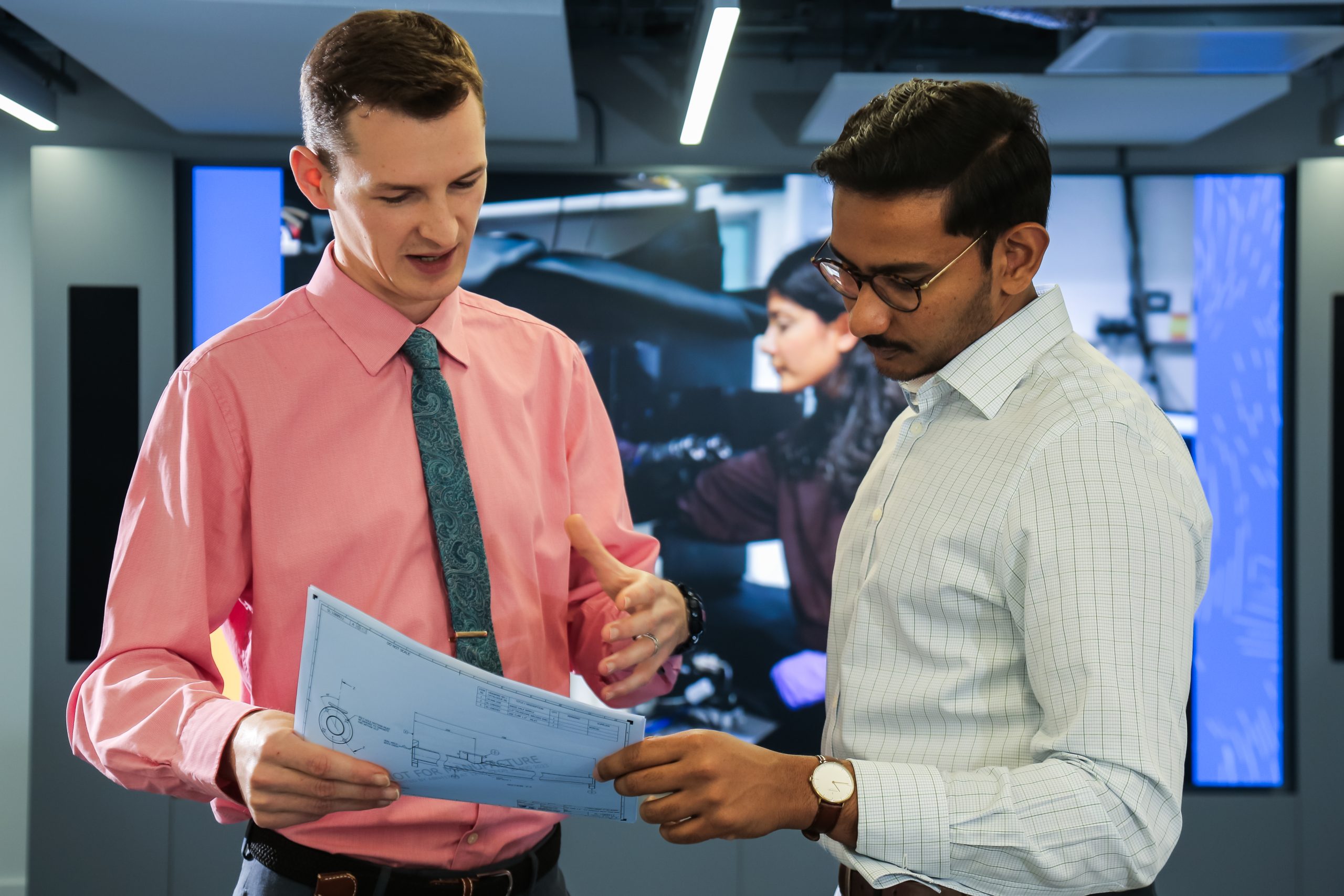
The Engineering team provides engineering support for experiments, from design and manufacture to safety systems and diagnostic development.

About us

The CLF’s Engineering division is pivotal to the delivery of experiments and projects. Engineering teams specialise in a wide range of disciplines including:

  • machining
  • electrical installation
  • gas systems, vacuum systems
  • cryogenics, control systems
  • software
  • personnel safety
  • machine safety
  • engineering design

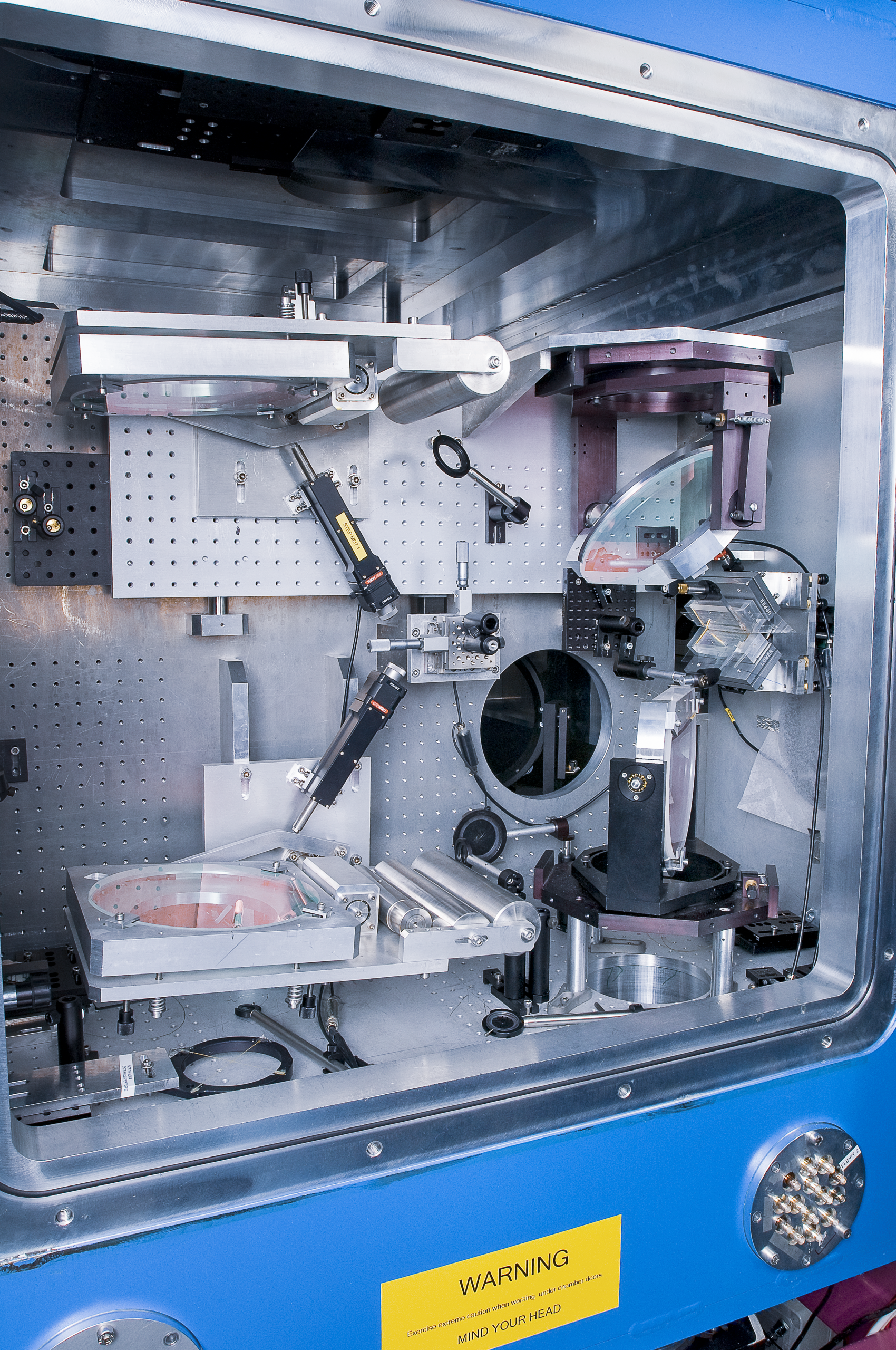
We configure each high power laser experimental setup to meet the specific needs of each unique experiment.

Specialist teams within the CLF Engineering group can manufacture hardware, modify control and safety systems, and configure bespoke hardware for each experiment.

These teams also lead the installation of engineering infrastructure on new laser systems such as EPAC, as well as in development labs across the CLF.

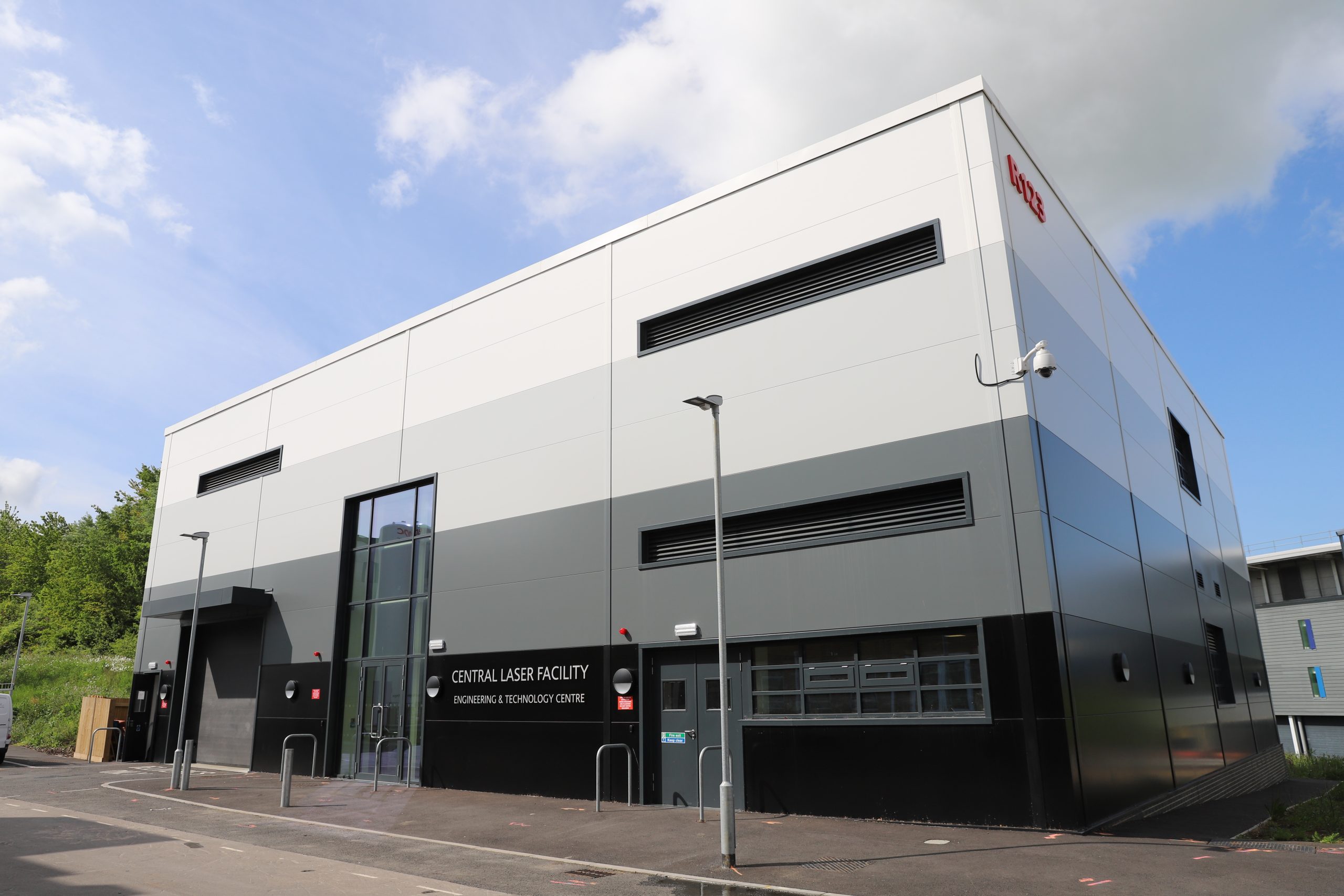
The CLF Engineering and Technology Centre

Many of the different engineering disciplines are co-located in the stae-of-the-art CLF Engineering and Technology Centre (ETC).

This creates an effective and inclusive engineering centre for offline building, testing and optimisation of hardware for the facilities. In addition, it supports training opportunities for junior staff such as apprentices and work experience placement students.

How we help users

We are dedicated to providing superior engineering support to the CLF user community throughout their experimental time. The CLF Mechanical and Electrical Engineering teams, alongside the target area technicians, manufacture and install all aspects of the experiment in advance of the experiment weeks. During the experiment, the whole team are on hand to deal with experimental changes and unexpected developments.

Mechanical design
Electrical design
Training

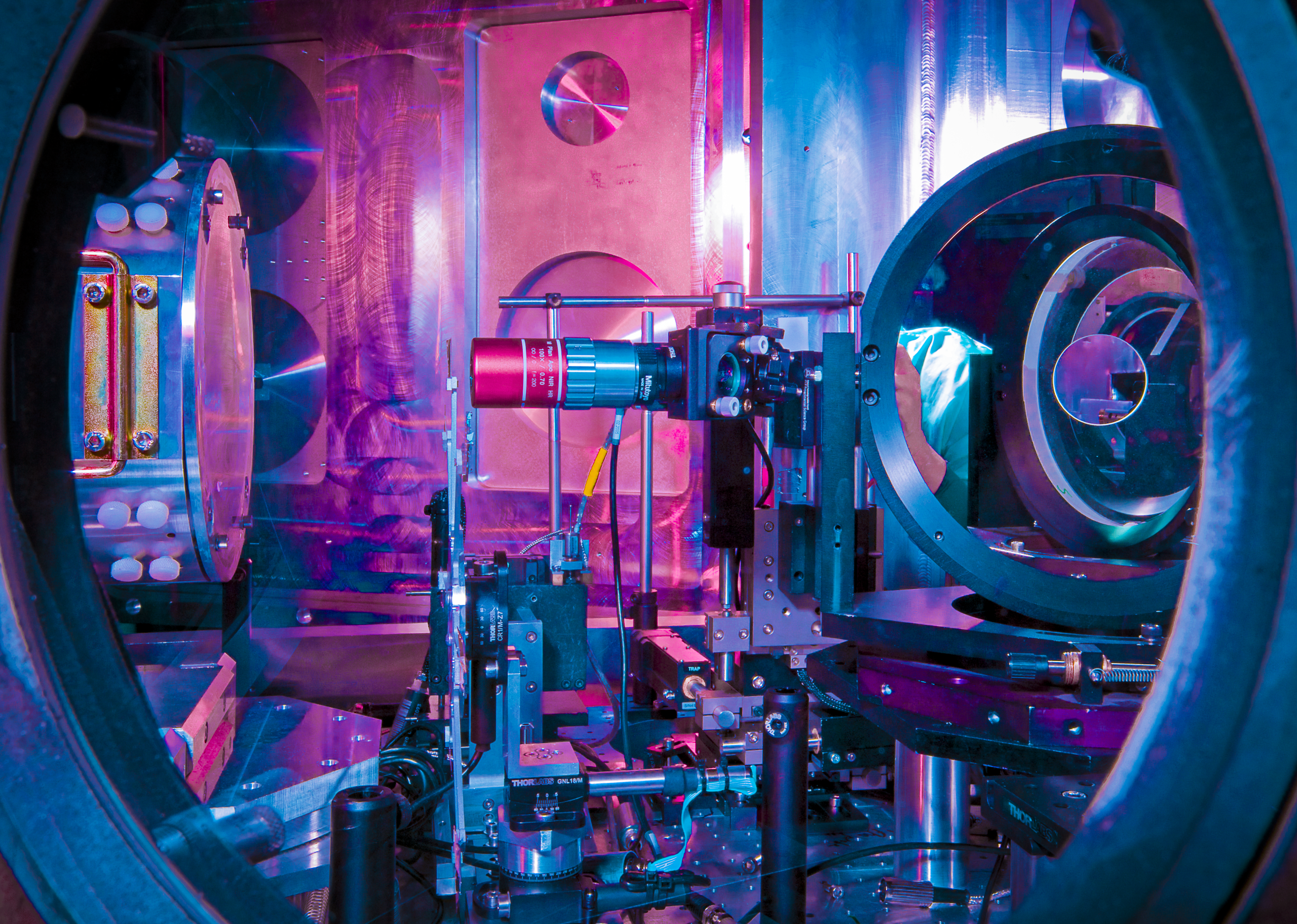
Whenever applicable, the Mechanical Engineering team works with CLF scientists and users to find the optimal set-up, including the selection and placement of diagnostics and detectors, prior to access time.

Where necessary the we will develop components for each experiment, such as magnets, diagnostics and detector holders.

We use 3D CAD (Solid Edge) to model and draw all aspects of the experiment. This provides a useful tool for review and approval of layouts as well as providing a lasting record of each experiment.


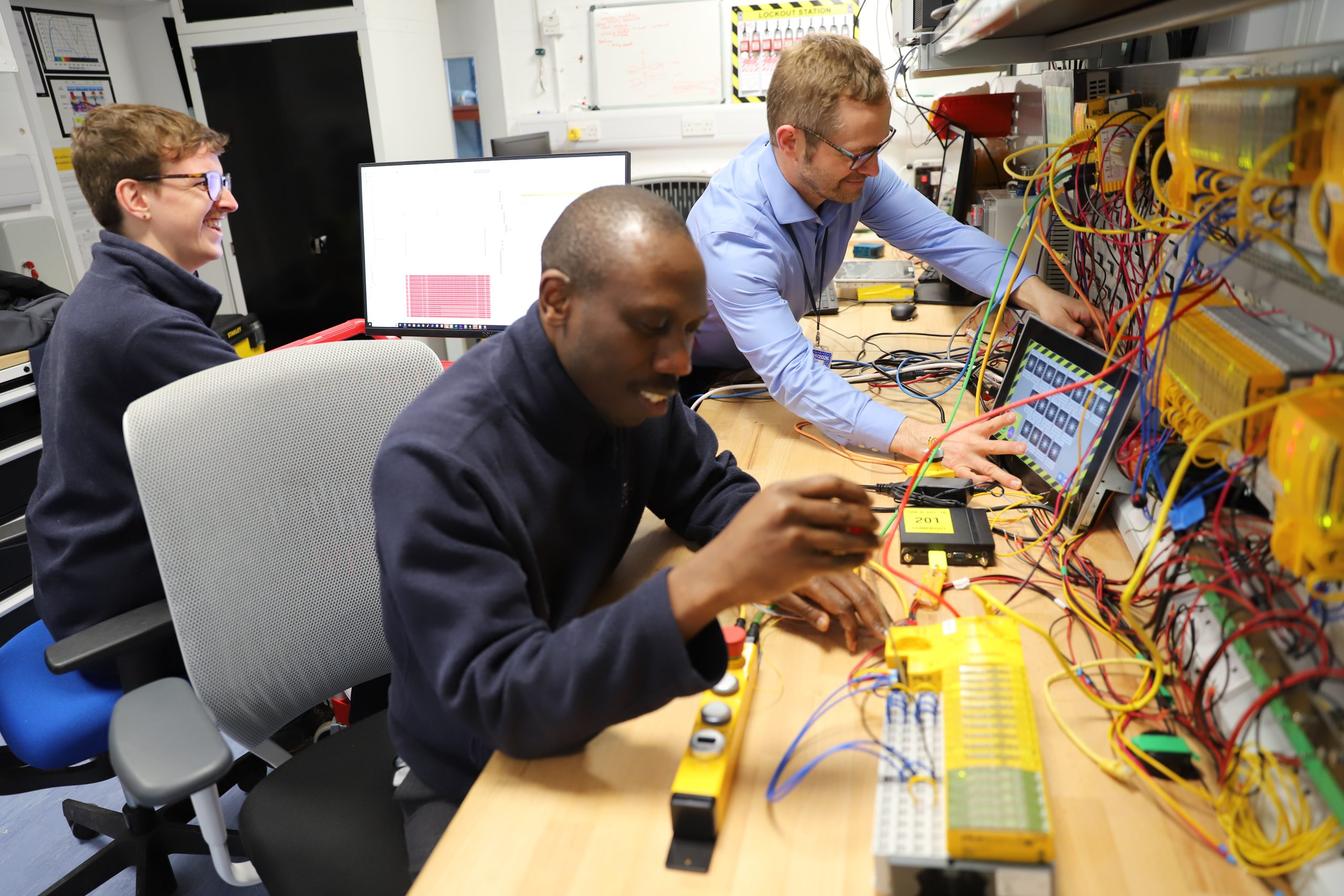
The Electrical Engineering team make sure that all electrical and control systems are ready to meet the requirement of the experiment, including:

  • fully automated vacuum systems that allow user scientists to evacuate the target chamber
  • automatic gas delivery which allows user scientists to use a variety of gases at pressures from 2 bar to 150 bar
  • optic alignment control system that allows the link scientists to align the laser beam to target with micron accuracy
  • high voltage applications

We use Programmable Logic Controllers (PLC), AutoCAD Electrical, programmable motion controllers for stepper and DC motors to enable the system to be designed and operated.

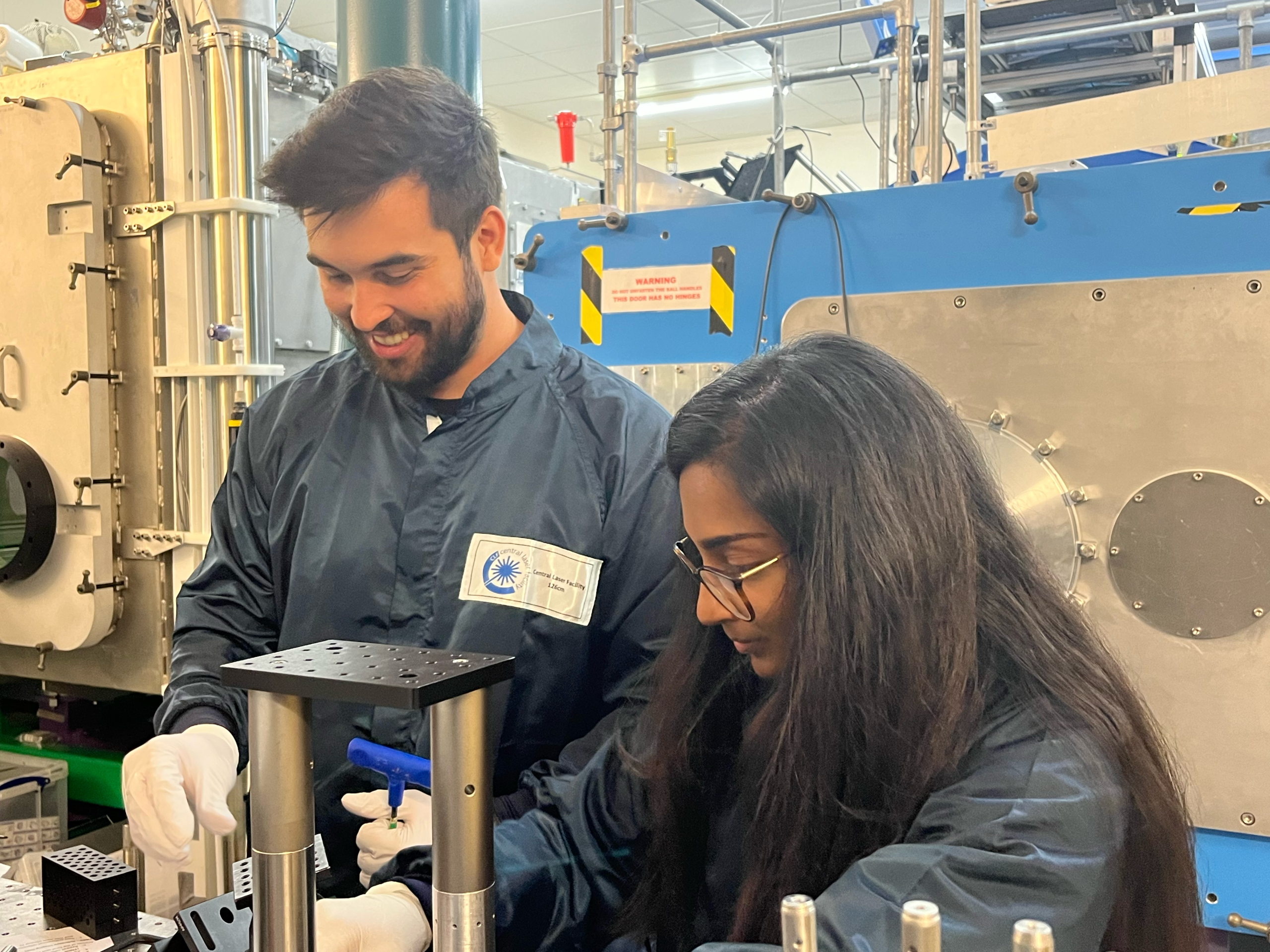
As part of the HPL training weeks, the engineering teams offer training designed to inform users on how to make the most out of their experiments at the CLF.

See training opportunities for users

Safety

The Electrical Engineering team is responsible for ensuring the safe operation of systems required for all laser areas, target areas and labs.

We install and maintain all the services required, including:

  • safety interlock systems
  • vacuum systems
  • gas delivery
  • cooling water
  • gas detection
  • power supplies
  • drive systems
  • control systems and communications

We operate across all of the CLF’s facilities and ensures that common standards, for example in safety systems, are applied everywhere.

Engineering development

The Mechanical and Electrical Engineering teams strive to continually improve and expand the capabilities of all the CLF’s facilities. We collaborate and endeavour to produce the best engineering solution to the scientific research challenges presented.

These developments can range from small scale modifications to existing equipment to improve its performance, through to larger scale projects such as thew design and planning for new major projects.

Care and precision

The engineering team start work at the initial concept to assess the feasibility of ideas, produce conceptual layouts and estimated costing and timescales. These initial concepts are converted into a detailed specification and an engineering solution developed. The engineering team project manage the manufacturing, installation and commissioning of each project considering the budget and timescales available.

Example projects include:

  • improvements to experimental areas with the development of an operational shutter to reduce exposure of diagnostic cameras to
  • the laser beam during set-up and testing, which will increase the lifetime of the camera
  • improving the operational capability of the CLF’s high power laser systems by designing and implementing a cooling system for
  • the Vulcan amplifiers optics so that the repetition rate of Vulcan can be increased
  • development of thin film solid hydrogen target mounting or stress free adaptive optic mounting
  • designing and providing test labs for laser development projects such as DiPOLE and the 10PW upgrade project
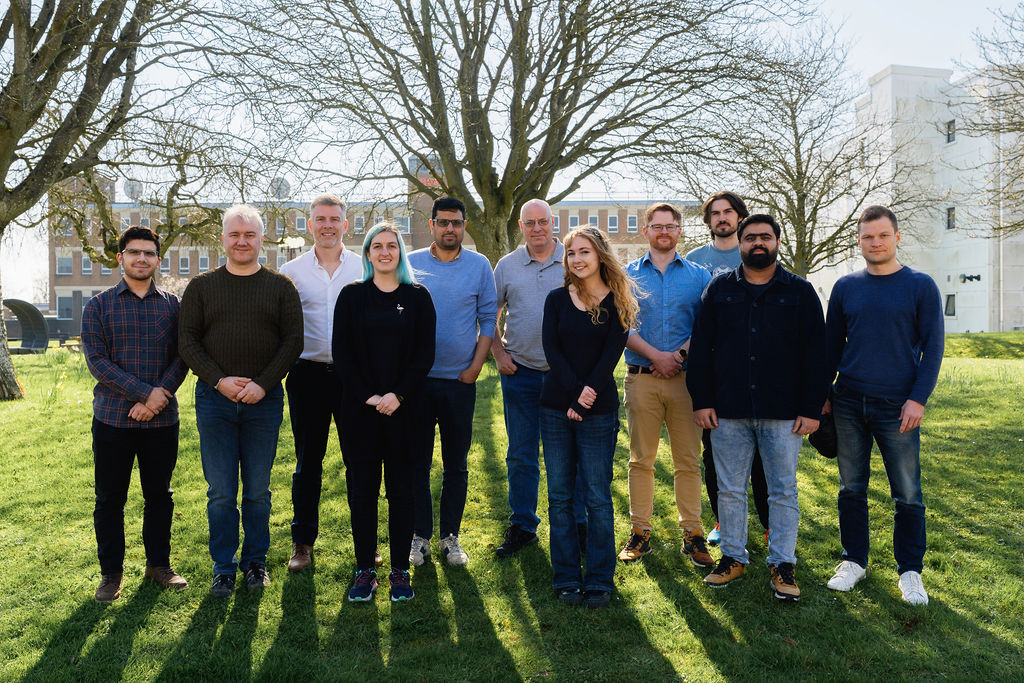
Meet the team

Chris Gregory

Software Controls Group Leader

In 2013 Chris rejoined the world of lasers and plasmas, working in Gemini as first a laser operator and then as a target area scientist.

Kenny Rodgers

Electrical Group Leader

I completed the apprenticeship in August 2000 and went straight to work in the electrical workshop in the Central Laser Facility.

Steve Hook

Chief Engineer

Steve Hook is the CLF’s Chief Engineer, heading up its Engineering Division