Overview
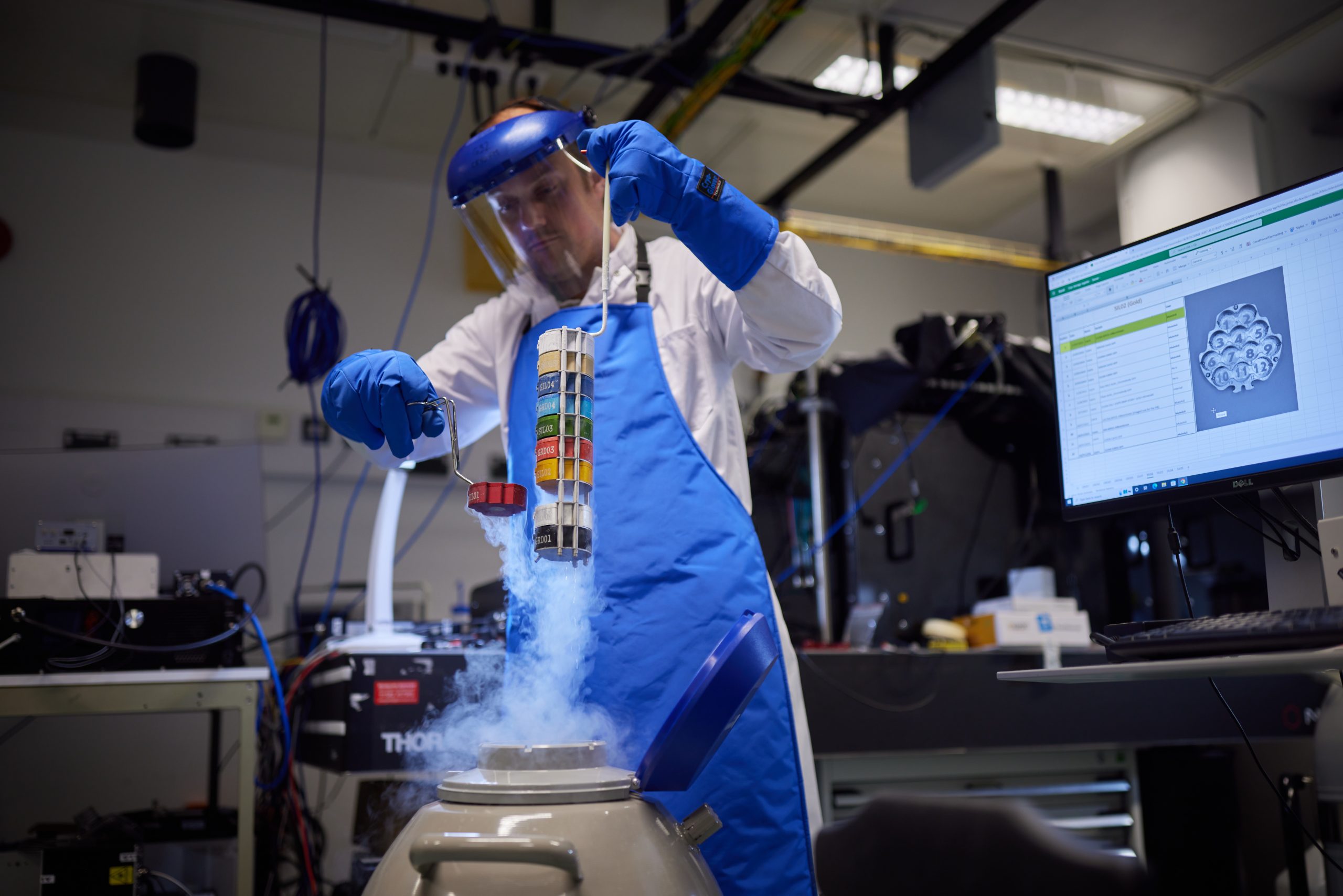
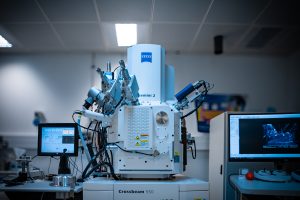
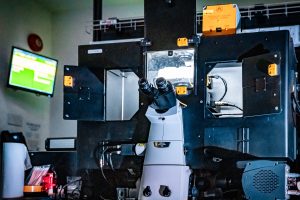
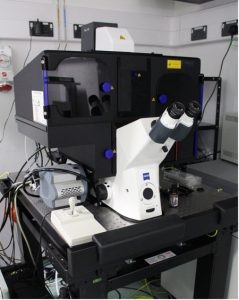
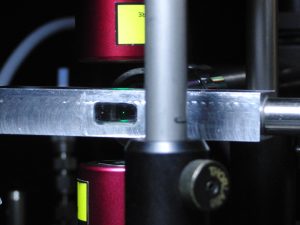
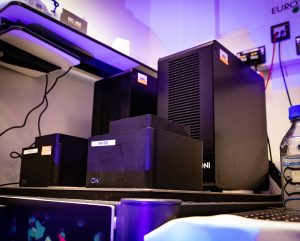
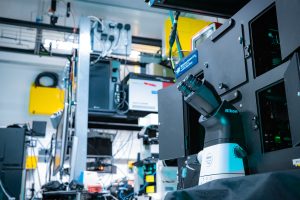
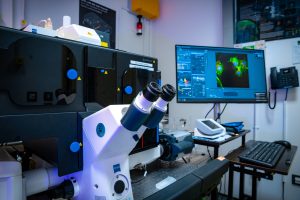
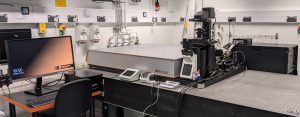
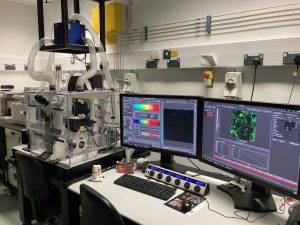
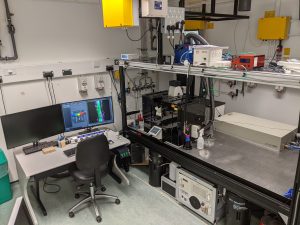
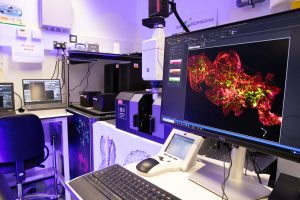
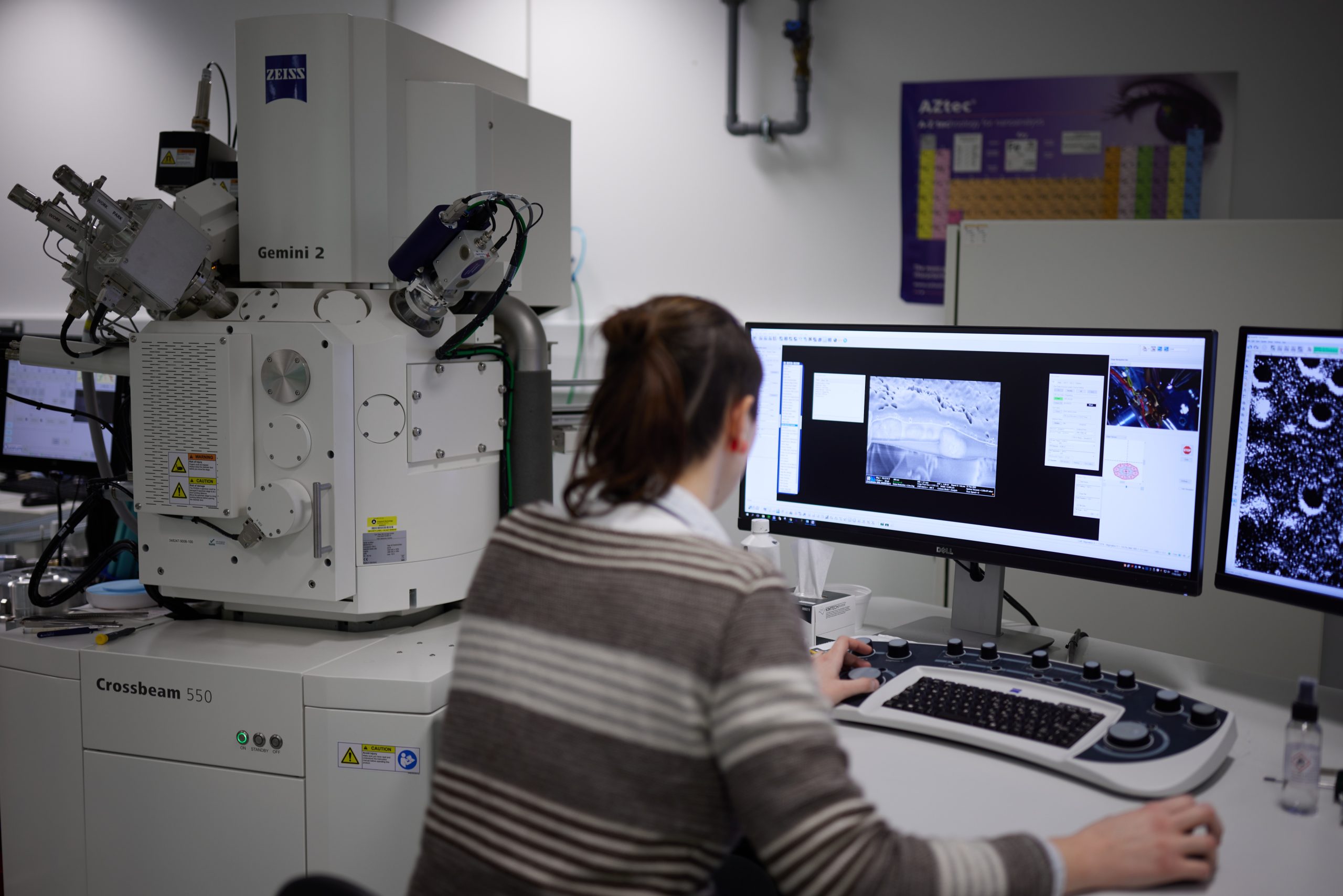
Octopus is a unique, advanced bioimaging facility for the micrometre to nanometre resolution range, providing a mixture of in–house built and commercial systems. The variety of multicolour light sources in Octopus gives the flexibility to combine multiple beams, multiple colours and timing capabilities. This capability is augmented by scanning electron microscopes and cryogenic temperature imaging.
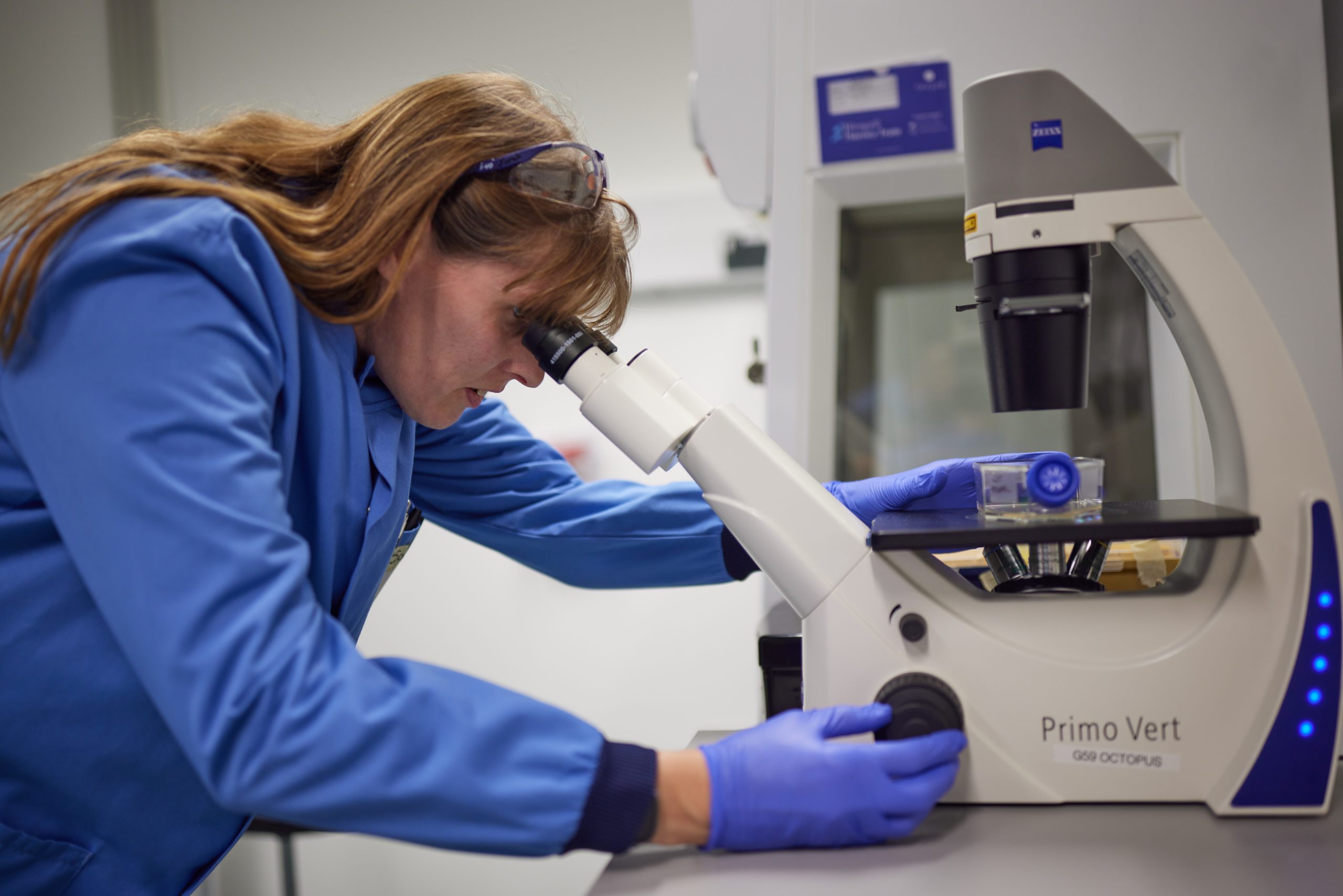
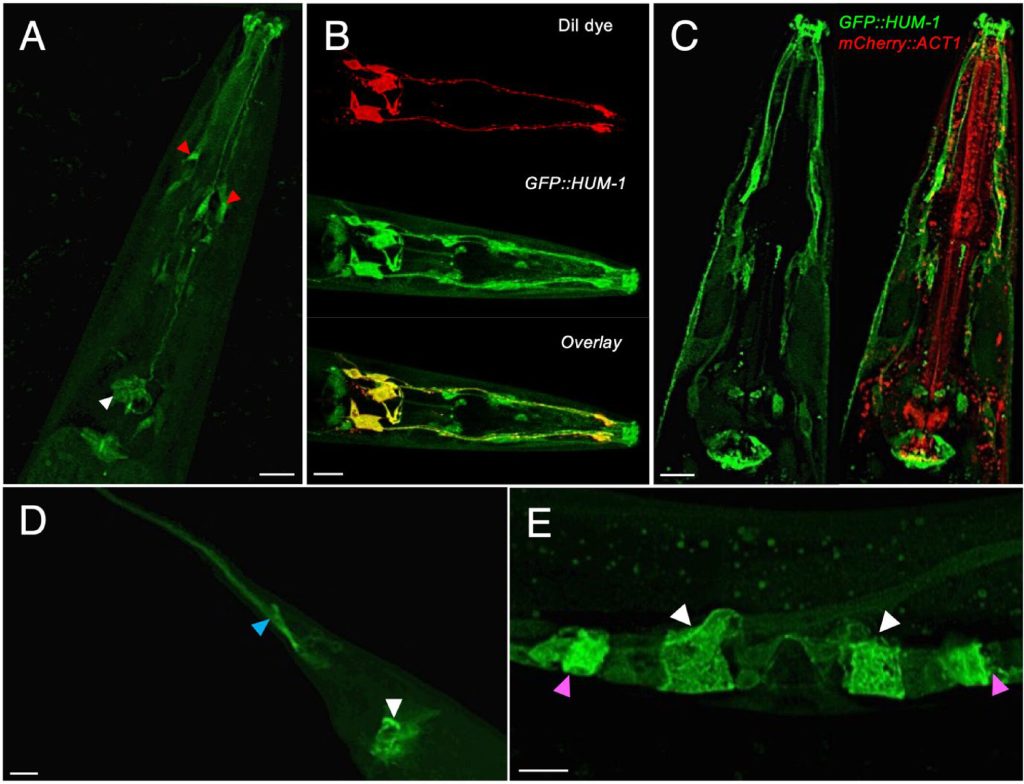
Octopus offers a range of imaging techniques including several modes of multidimensional single molecule microscopy, super-resolution microscopy, multiphoton microscopy, fluorescence and phosphorescence lifetime imaging microscopy, and lightsheet microscopy. Moreover, Octopus provides optical tweezers for laser trapping experiments.
The modular nature of Octopus allows the development and exploitation of new advanced imaging techniques as they become available, to address grand challenges in the life, environmental and materials science areas. Octopus promotes correlative imaging that allows the combination of several imaging modes to further enhance experimental outputs.
Applications
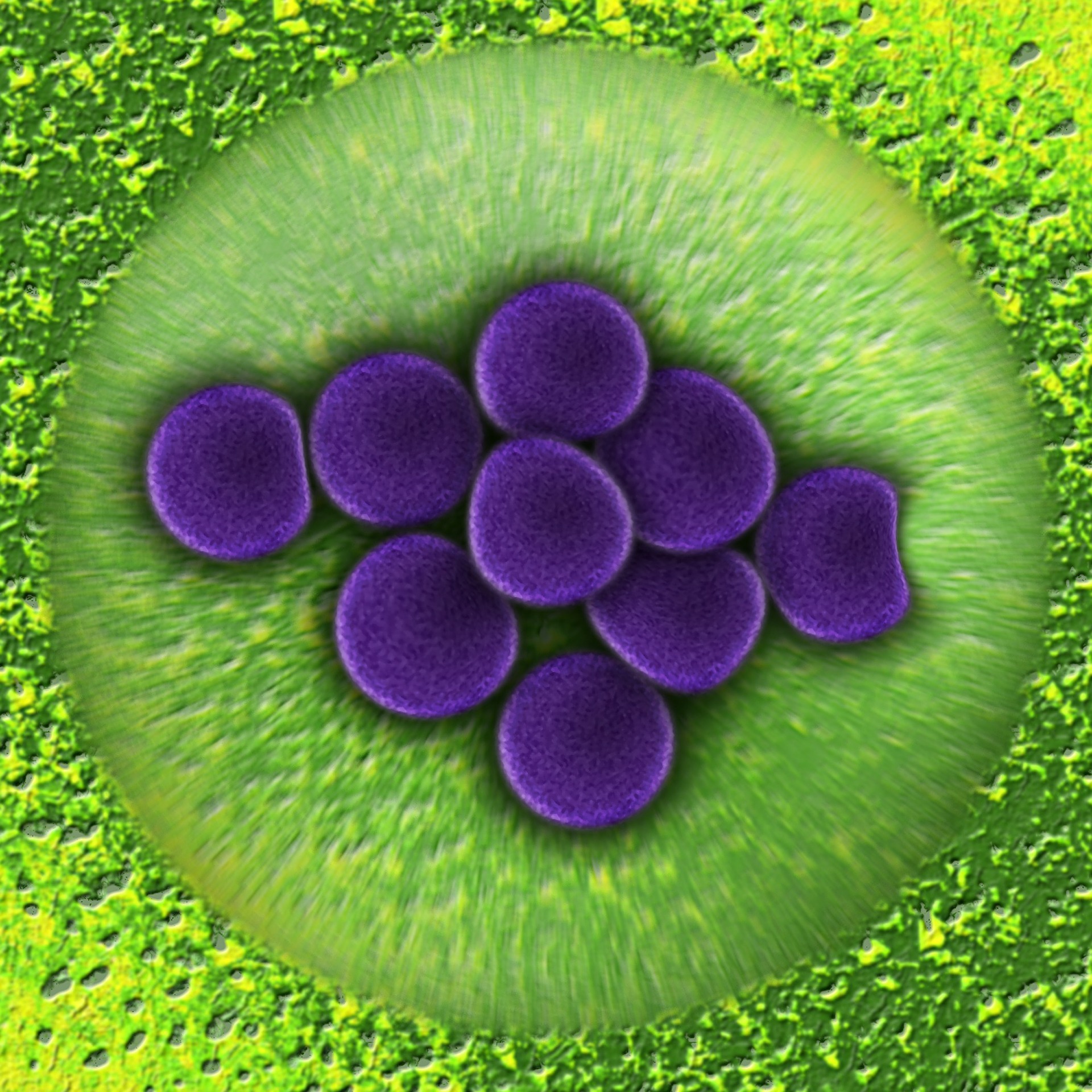
Octopus’ array of imaging techniques allow for a multitude of research into how diseases in plants and animals work, their true effects, and what we can do to prevent them. Over the years, CLF scientists and users have studied cancers, degenerative diseases, aging, how environmental factors affect our bodies, and many more.
Octopus has also been home to years of research into drug discovery, development and analysis, including helping to find potential new antibiotics to combat superbugs, exploring new cancer treatments, and developing techniques for personalised medicine.

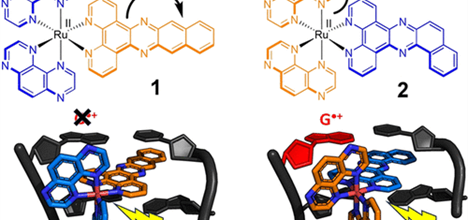
Octopus helps conduct research into clean energy production methods such as solar cells and the potential for artificial photosynthesis.
We also facilitate research into environmental concerns such as pollution. Airborne pollution has long been established as a major issue for the health of people, animals and plants. However, more needs to be understood about what is remaining in the air, for how long, and its potential effects on the environment.
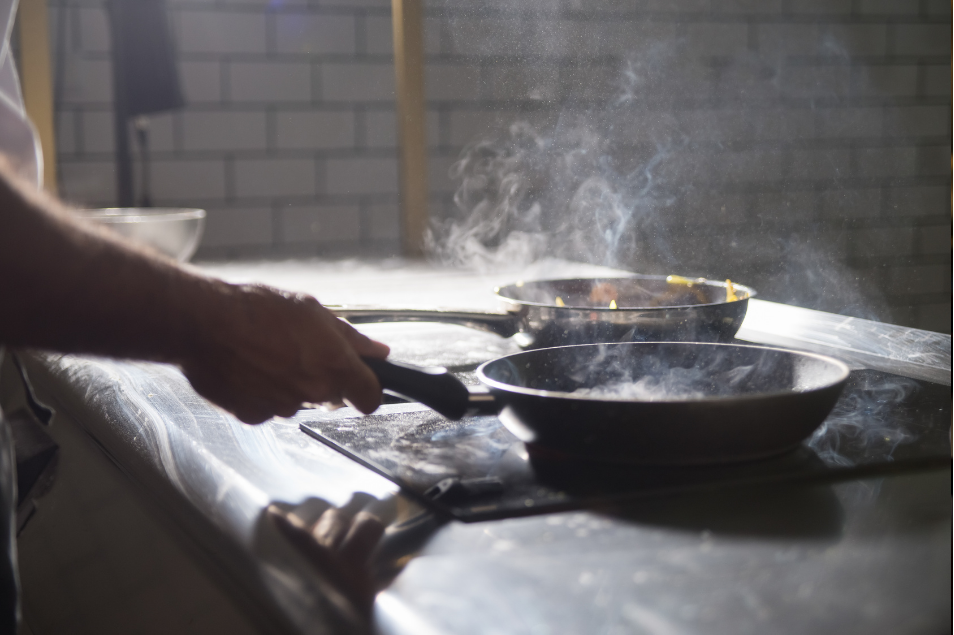
Techniques such as optical trapping give us the ability to study aerosolised pollution without affecting the natural structure of the particle. Scientists and users at Octopus have studied the impact of cooking oils as airborne pollutants, helped map the makeup of airborne particles across the globe, and shown evidence that diesel fuel particles can cross the Blood-Brain Barrier.
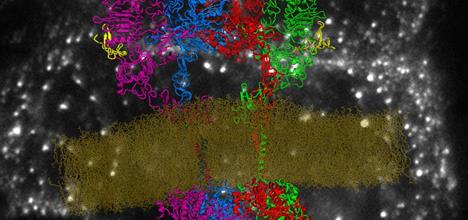
As with all CLF facilities, Octopus conducts and facilitates an array of fundamental research. This helps us answer the seemingly small, niche questions important to advancing our knowledge of a field in general, and to create the foundations on which breakthroughs could one day stand.
Octopus publications







Having trouble accessing the information on this page?
Please don’t hesitate to contact us and we’ll work with you to provide a solution to the best of our ability.
Contact us