The name ‘Vulcan 20-20’ was born from the exciting technical specifications of the new laser. Vulcan 20-20 will be one of the most intense lasers ever constructed and will provide us with unique opportunities to advance our understanding in a number of scientific areas, with applications in both academic research and industry.
Key capabilities
The Vulcan 20-20 upgrade will deliver an extreme high peak power 20PW beam together with a cluster of beams delivering up to 20 kilojoules of energy into two experimental areas.
The laser intensities achievable with Vulcan 20-20 will be critical for the exploration of many novel laser-driven ion acceleration mechanisms, approaching the relativistic regime for the first time. Moreover, the ultra-high intensities that will be achieved will provide a means of exploring novel photon-photon collisions.
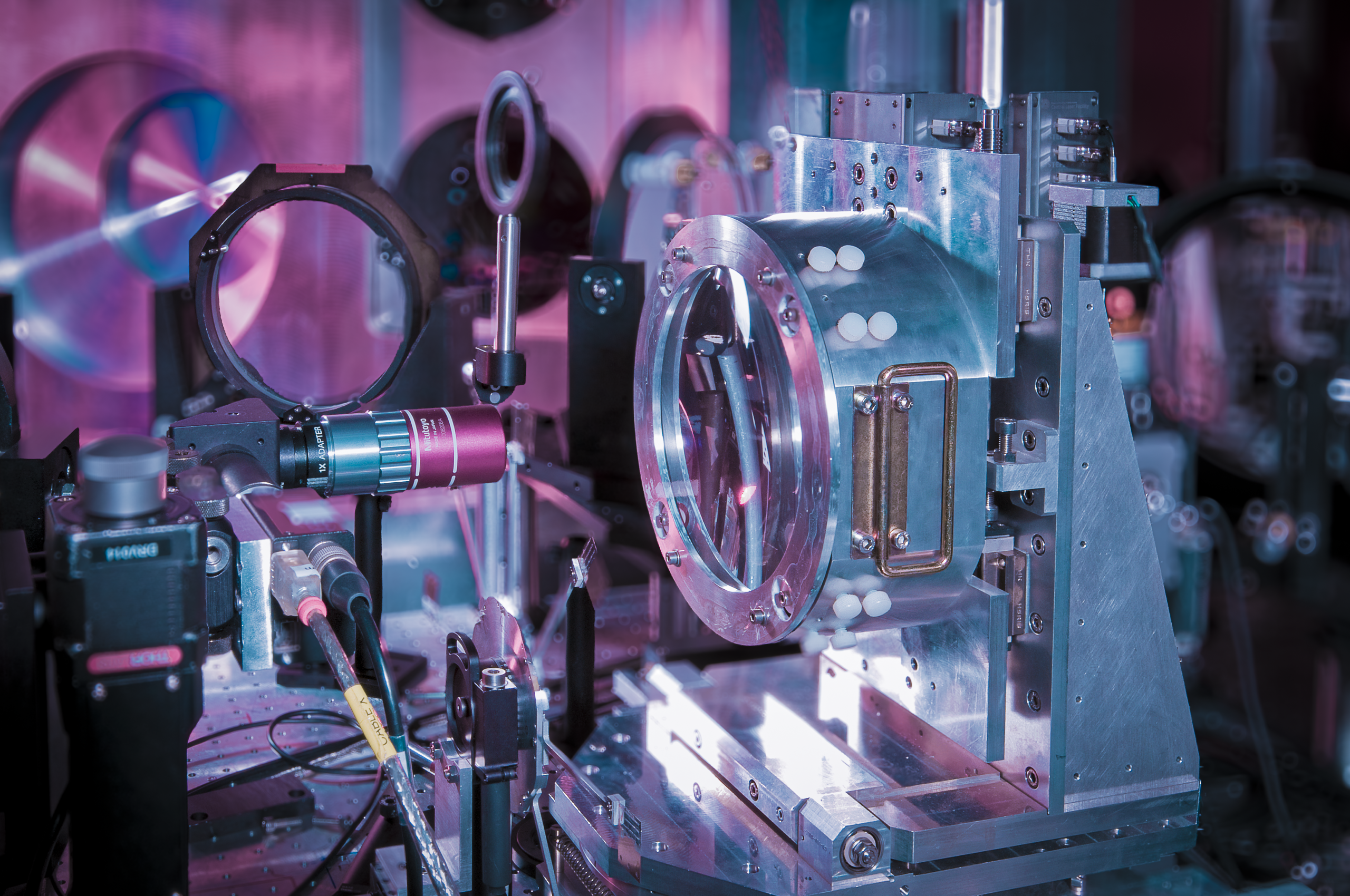
The unique combination of long-focusing and short-focusing PW-class laser systems will permit an unprecedented breadth of study into the generation of high energy X-rays and gamma-rays, which are widely used in many areas of modern life, from medical diagnosis and high-value manufacturing to world-class research and security inspections.
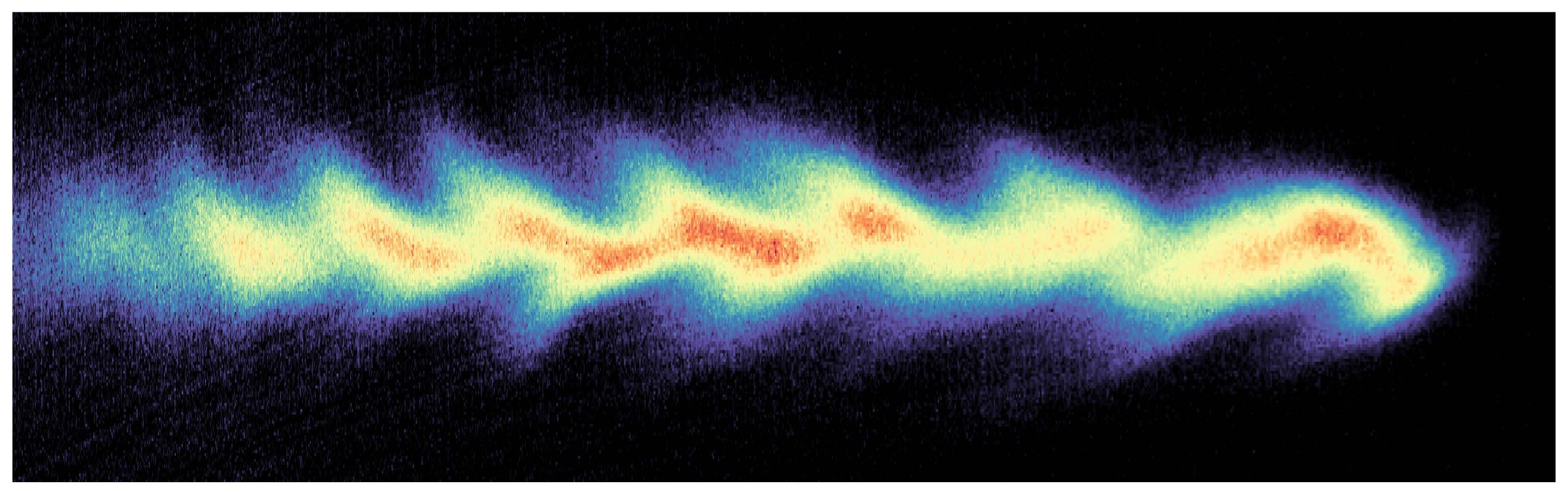
Vulcan 20-20 will allow new regimes in particle acceleration to be explored, with experiments capable of addressing the high-energy frontier of plasma acceleration.
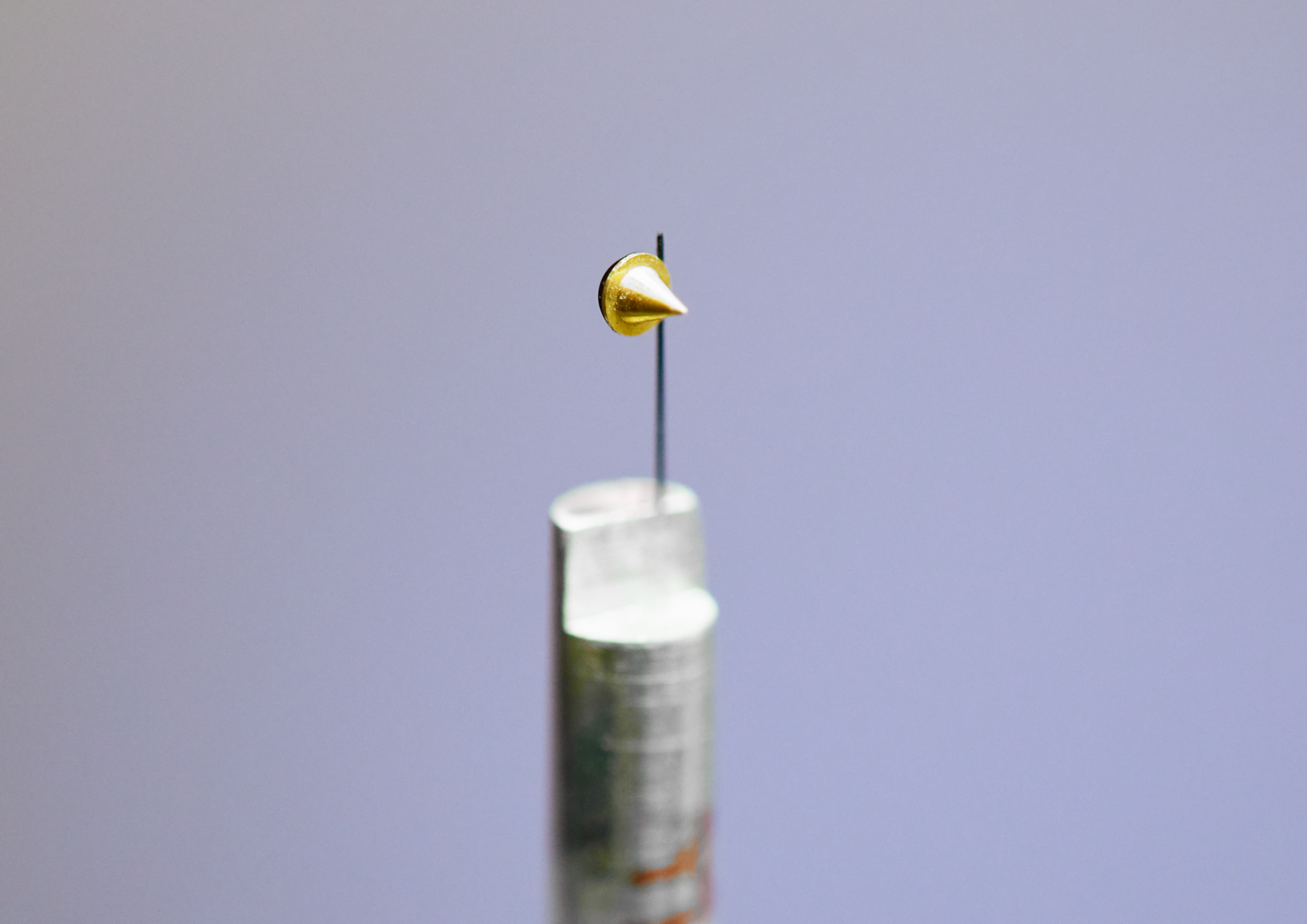
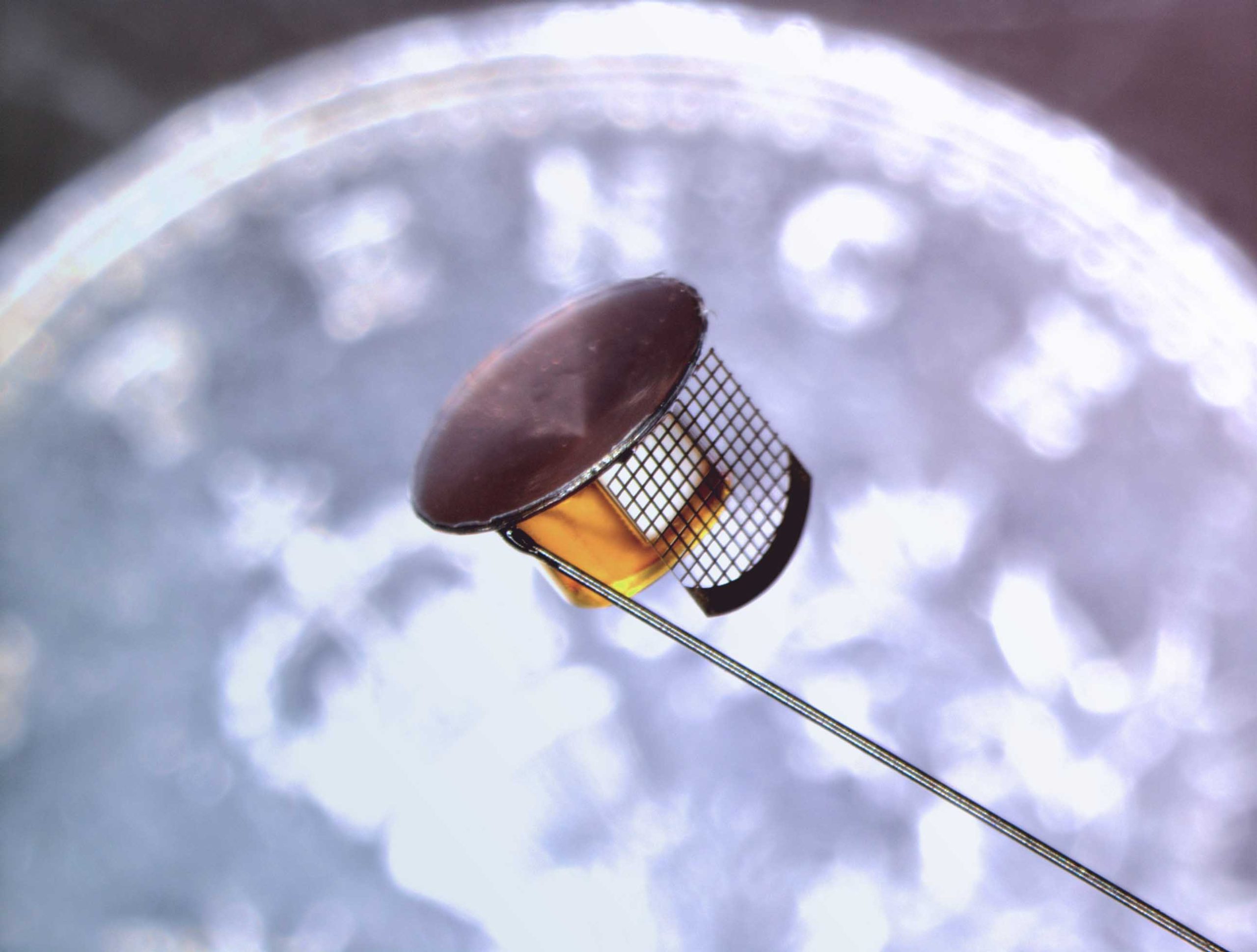
Coupled with the world class capabilities of the CLF’s Target Fabrication group, the new facility will be ideally suited to unlocking advanced cutting-edge interaction schemes for generating exotic and extreme light states, suited to a range of applications and fundamental physics studies.
In 2022 the National Ignition Facility (NIF) gave the first experimental demonstration of gain via fusion. Those working on Inertial Fusion Energy (IFE) aim to develop this process to the point where it can usefully deliver electrical power through the grid. Vulcan 20-20 presents us with unique opportunities to investigate some of the underpinning physics of IFE, a key challenge in the realisation of this clean energy source.
The Vulcan 20-20 project will increase the peak power of the Vulcan laser by 20 times, taking it from 1PW to 20PW. Additionally, we will increase the long pulse energy we can deliver. This will be achieved by upgrading our traditional six long pulse beams to give 10kJ and enabling the delivery of the other high energy beams, used as pump sources, to give up to 20kJ of energy.
We will retain an existing 100TW capability and the VOPPEL beamline from the original Vulcan facility to offer the scientific community access to a unique combination of beamlines to study matter under extreme conditions.
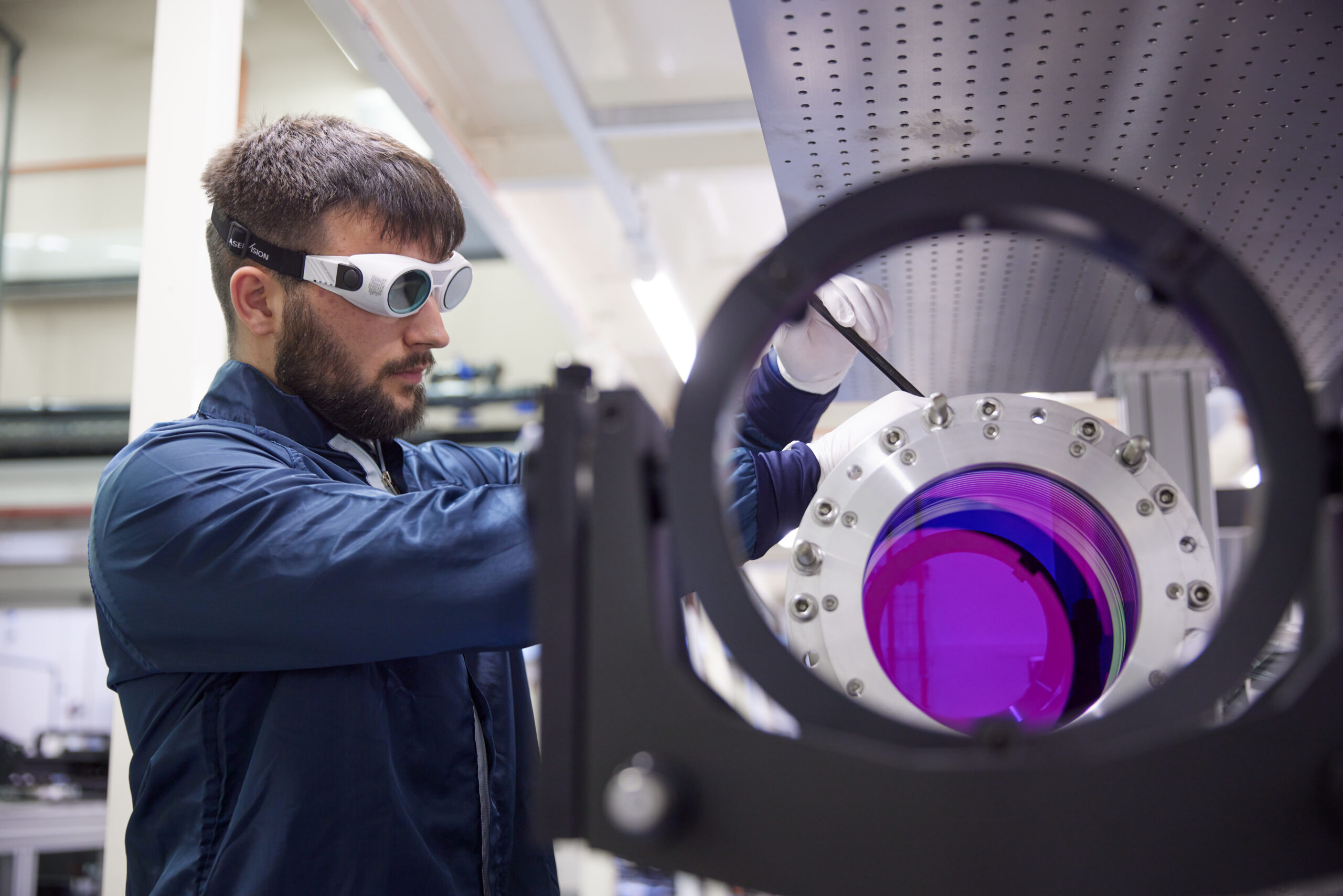
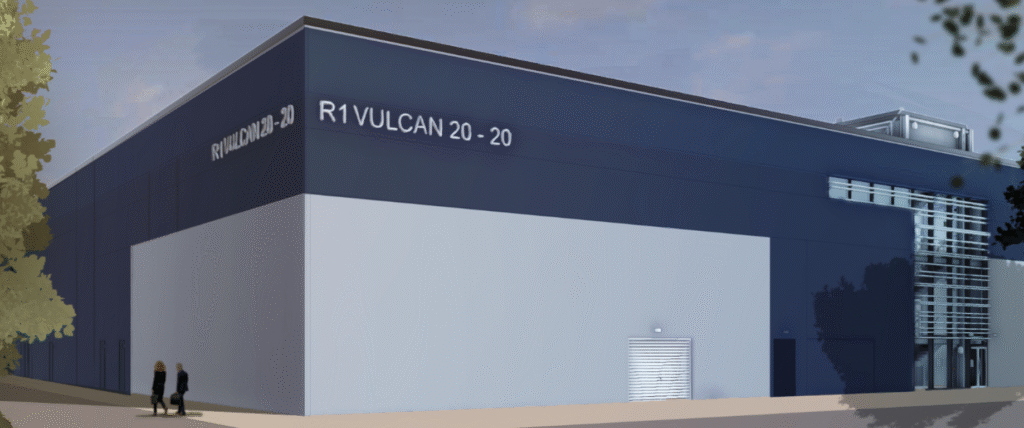
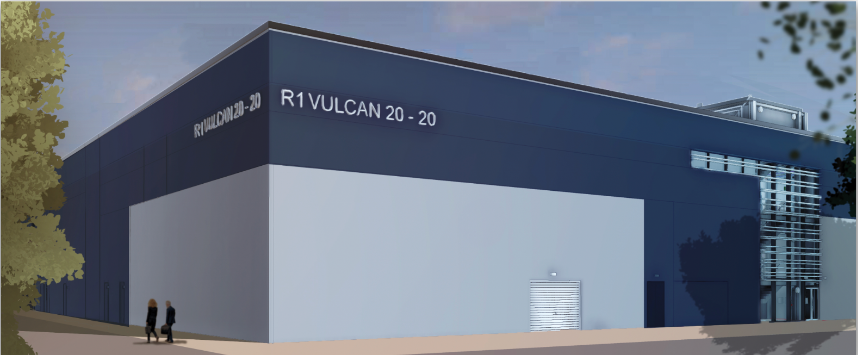
As part of the project, we are constructing a new extension to the existing facility building which will increase the footprint of the facility out to the South and West, whilst also adding in a second floor for the 20PW laser.
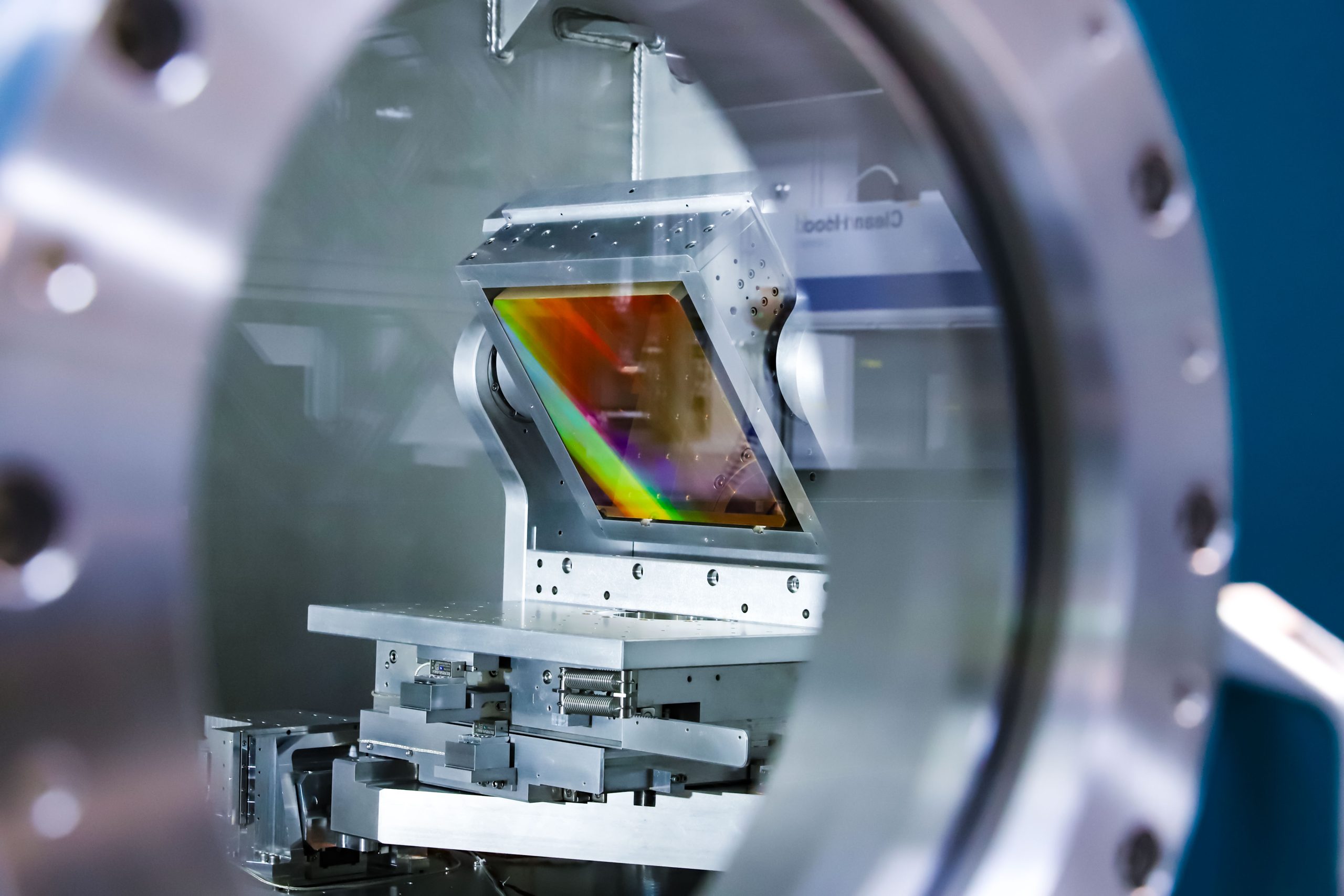
The upgraded facility will offer two large experimental areas located on the ground floor. Both experimental areas will have new interaction chambers capable of fielding a new suite of plasma diagnostics. Located between the two experimental areas will be a new compressor area which will be used to compress the 20PW pulses that are generated on the second floor.
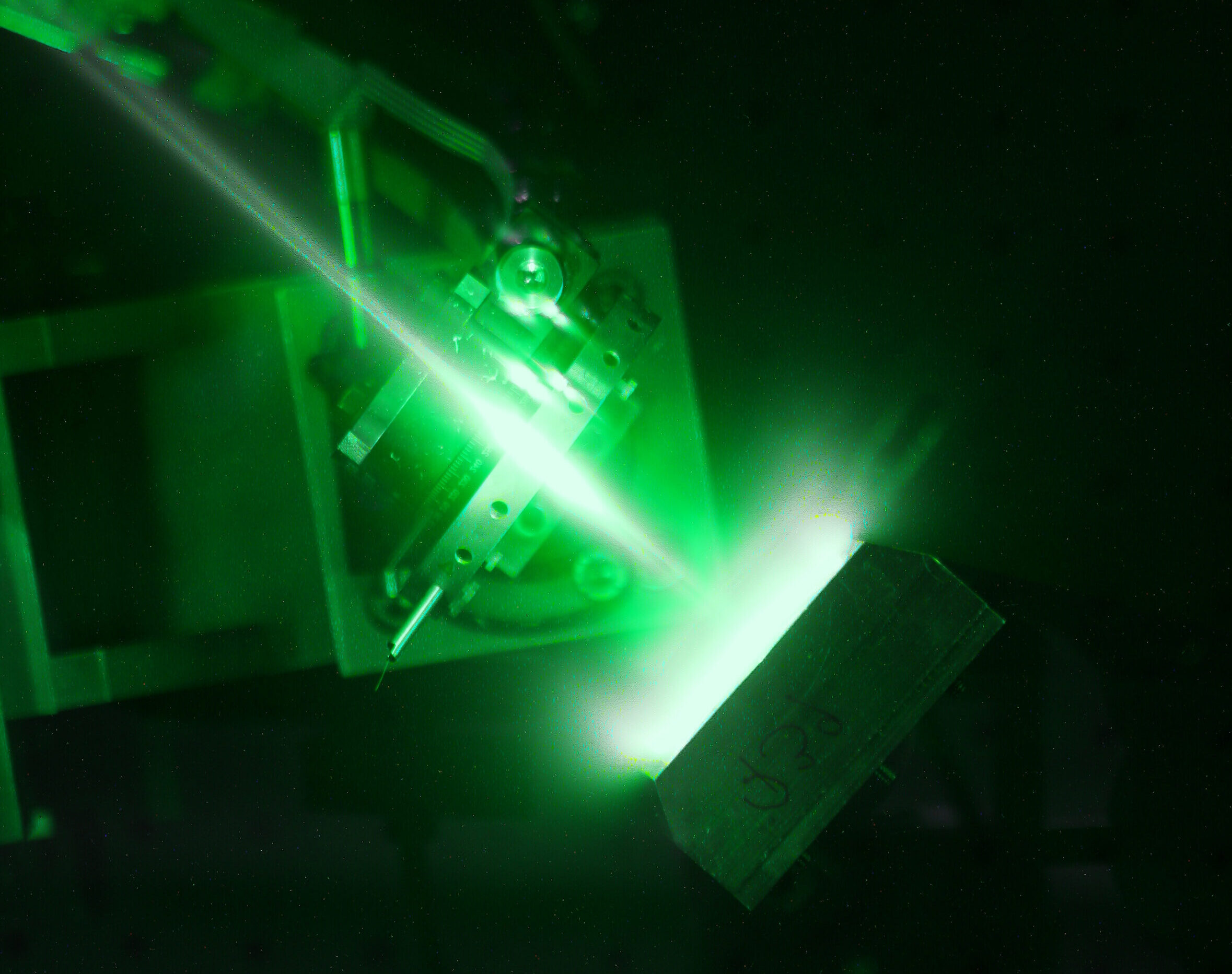
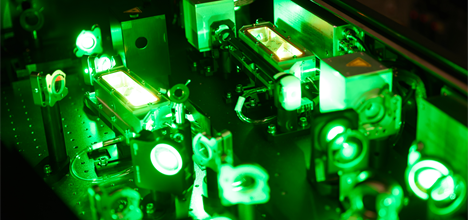
The second floor of the building will house the laser generation and amplification areas for the 20PW and VOPPEL beamlines. Both of these beamlines will be based on the technique of Optical Parametric Chirped Pulse Amplification which uses three-wave-mixing in non-linear crystals to convert energy from an energetic pump beam to increase the energy of a seed beam. The pump lasers for the beamlines will also be on this floor; there will be 2 x 2kJ beams needed to generate the 20PW pump laser and we are developing the technology to enable these pump lasers to be fired more rapidly.
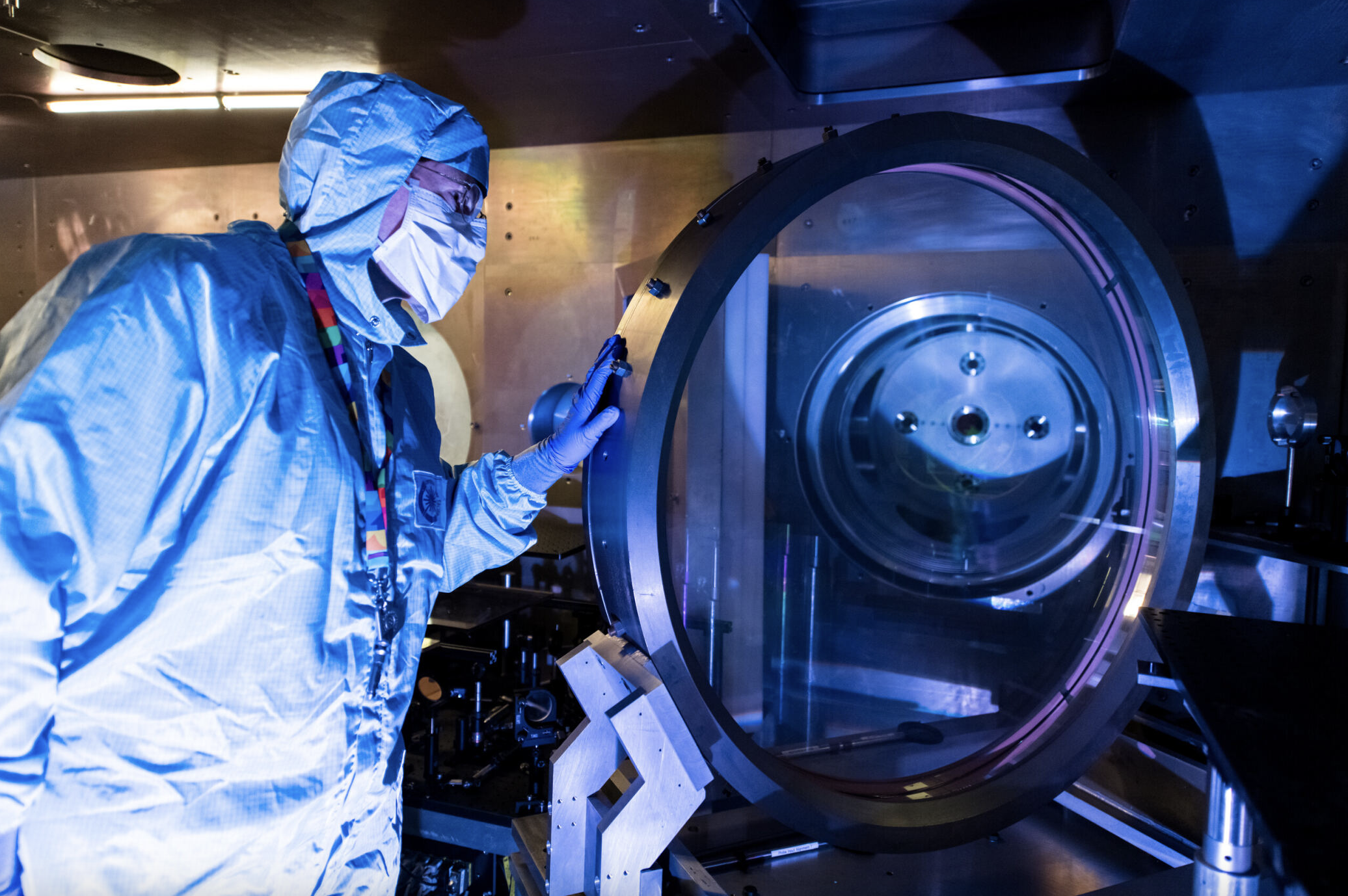
For the long pulse upgrade of our traditional six long pulse beams, we will need to reconfigure the current laser beam arrangements in the ground floor laser areas. We will convert them into a multi-pass arrangement, meaning that the pulses being amplified will pass through the same amplifier four times so that we can efficiently extract the energy that they contain. Each of the upgraded beams will be capable of generating ~1.6kJ and will be frequency doubled to the second harmonic before delivery to the experimental areas. To provide the energy for the new amplifiers the long pulse upgrade and the 20PW beamline we will need a new, additional capacitor bank that will be used to store electrical energy before it is released into the flash-lamps where it is converted to light and absorbed by the glass in the amplifiers.