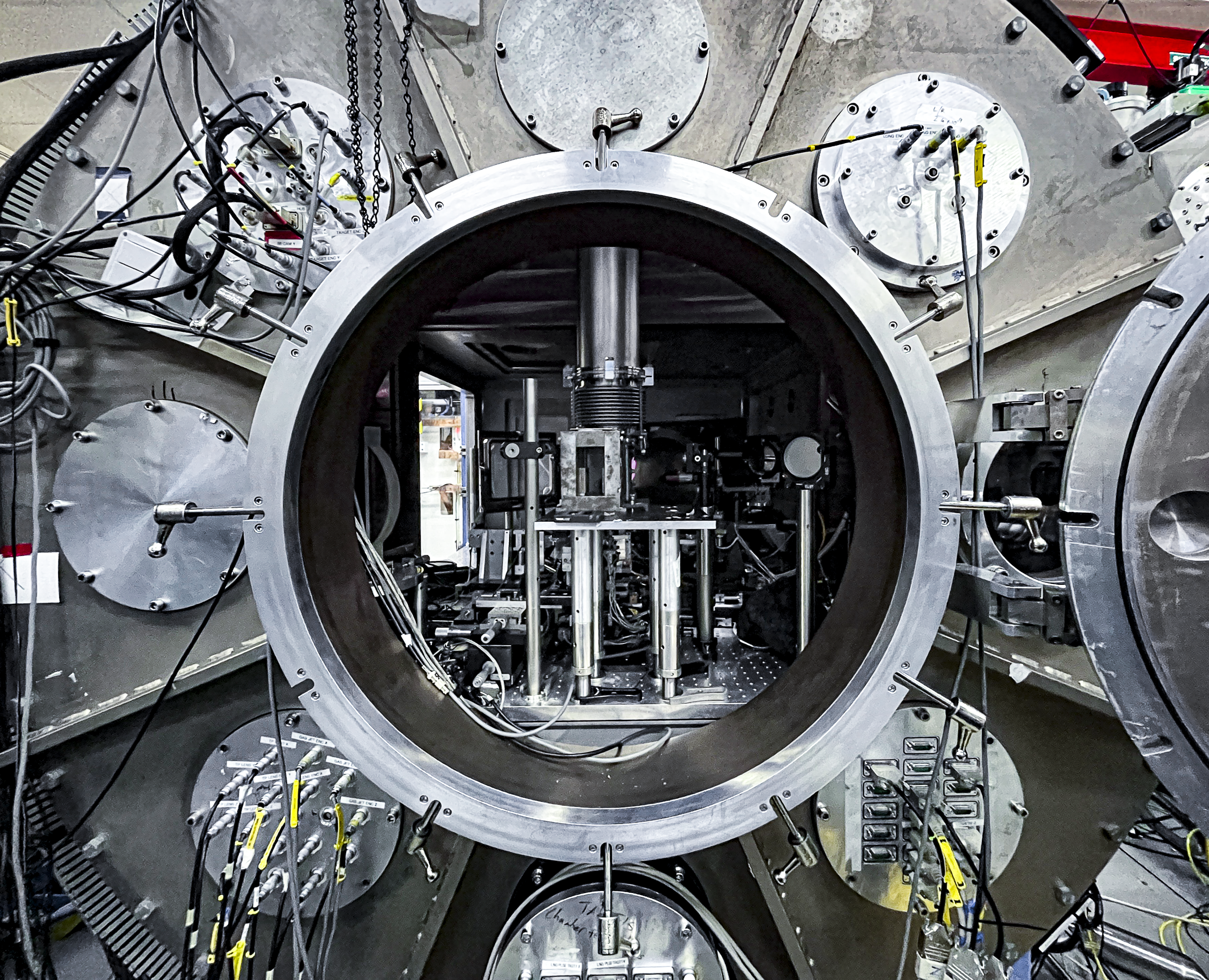
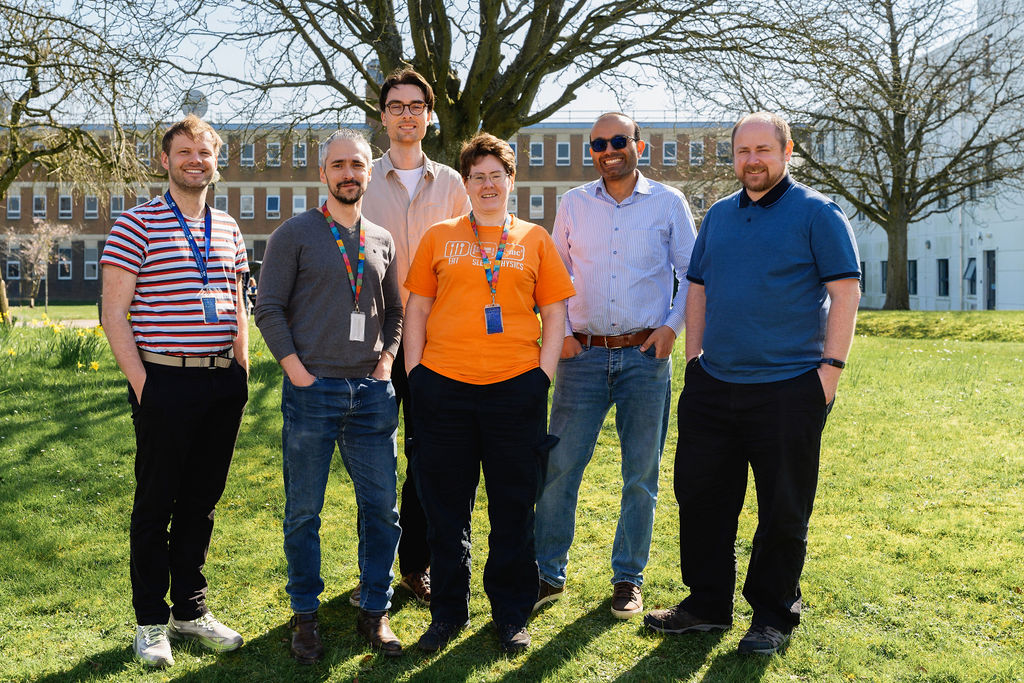
The ESG serves to support users plan, perform and analyse results from experiments performed at the Vulcan laser facility. In routine operations we offer end–to–end support in areas including experimental design, diagnostics, shot execution and data analysis – so users can obtain high quality, publishable results using the facility.
Vulcan is currently undergoing a major upgrade, and our team is directing a substantial share of effort towards design and integration tasks that will underpin the upgraded facility. At the same time, we continue to support the community by helping users run experiments at partner laboratories through the Vulcan Dark Period programme.
Our expertise spans a wide range of topics in high energy density and plasma physics, including:
- laser ion acceleration
- inertial confinement fusion
- laser plasma instabilities
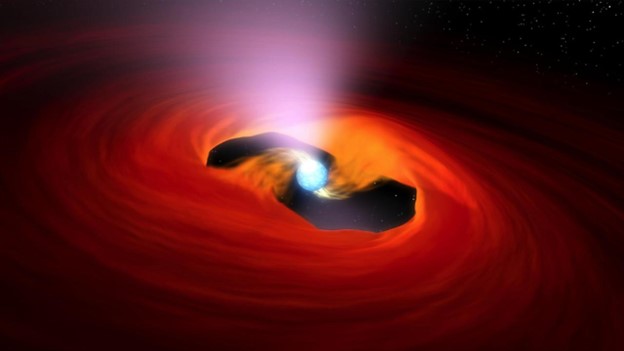
- laboratory astrophysics
- warm dense matter and equation of state
- advanced plasma diagnostics
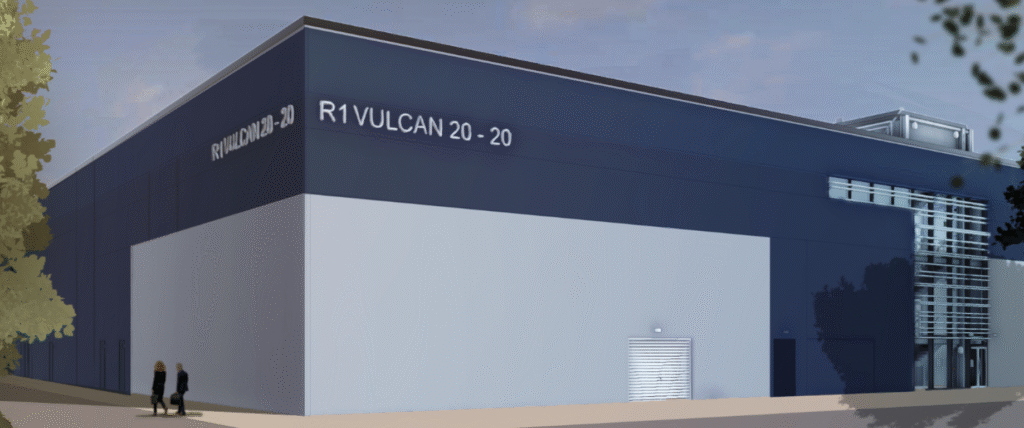
We draw on this breadth of experience to advise on experimental configurations, develop diagnostics and analysis workflows, and translate lessons learned into the design for Vulcan 20-20.
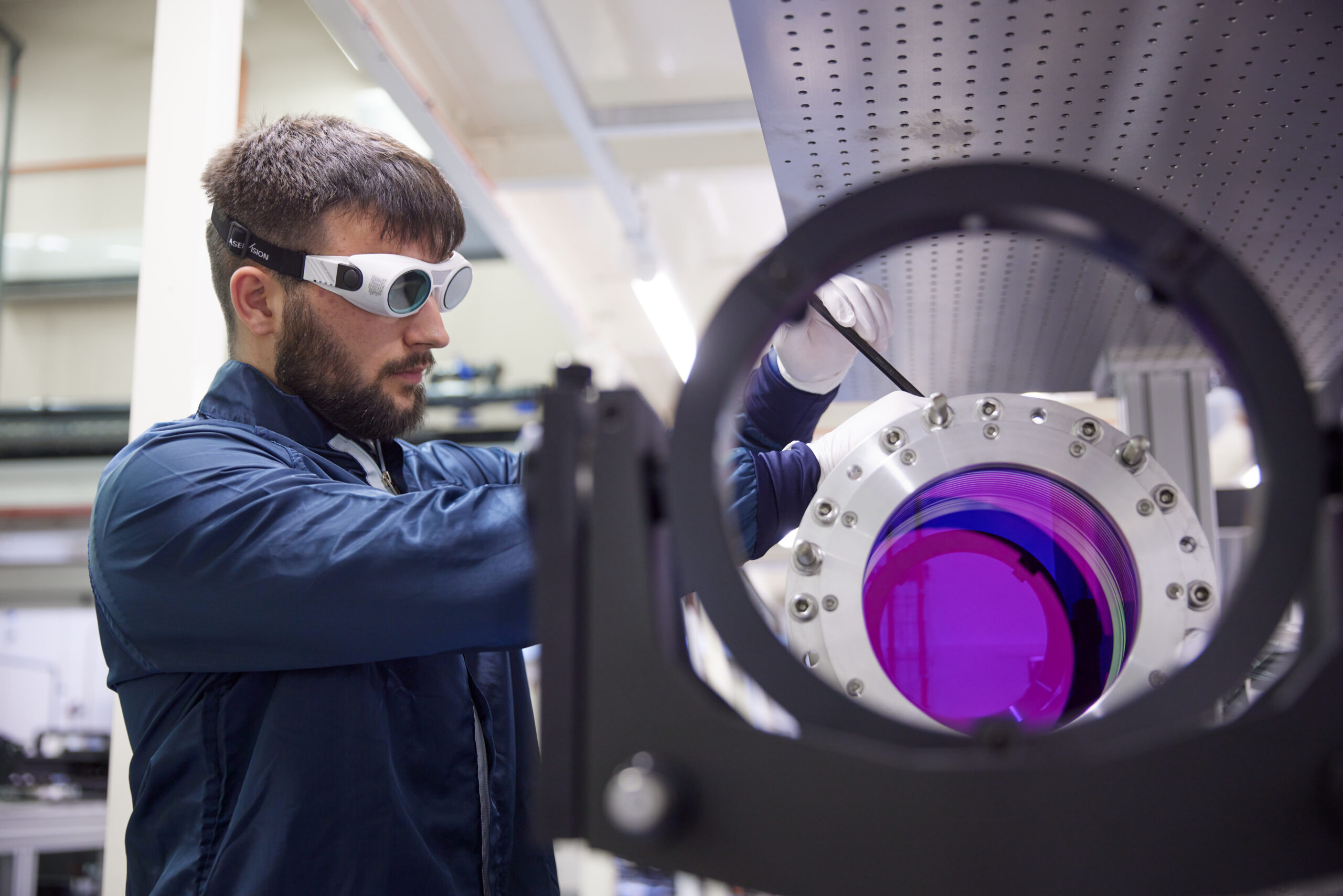
What Vulcan 20-20 will provide
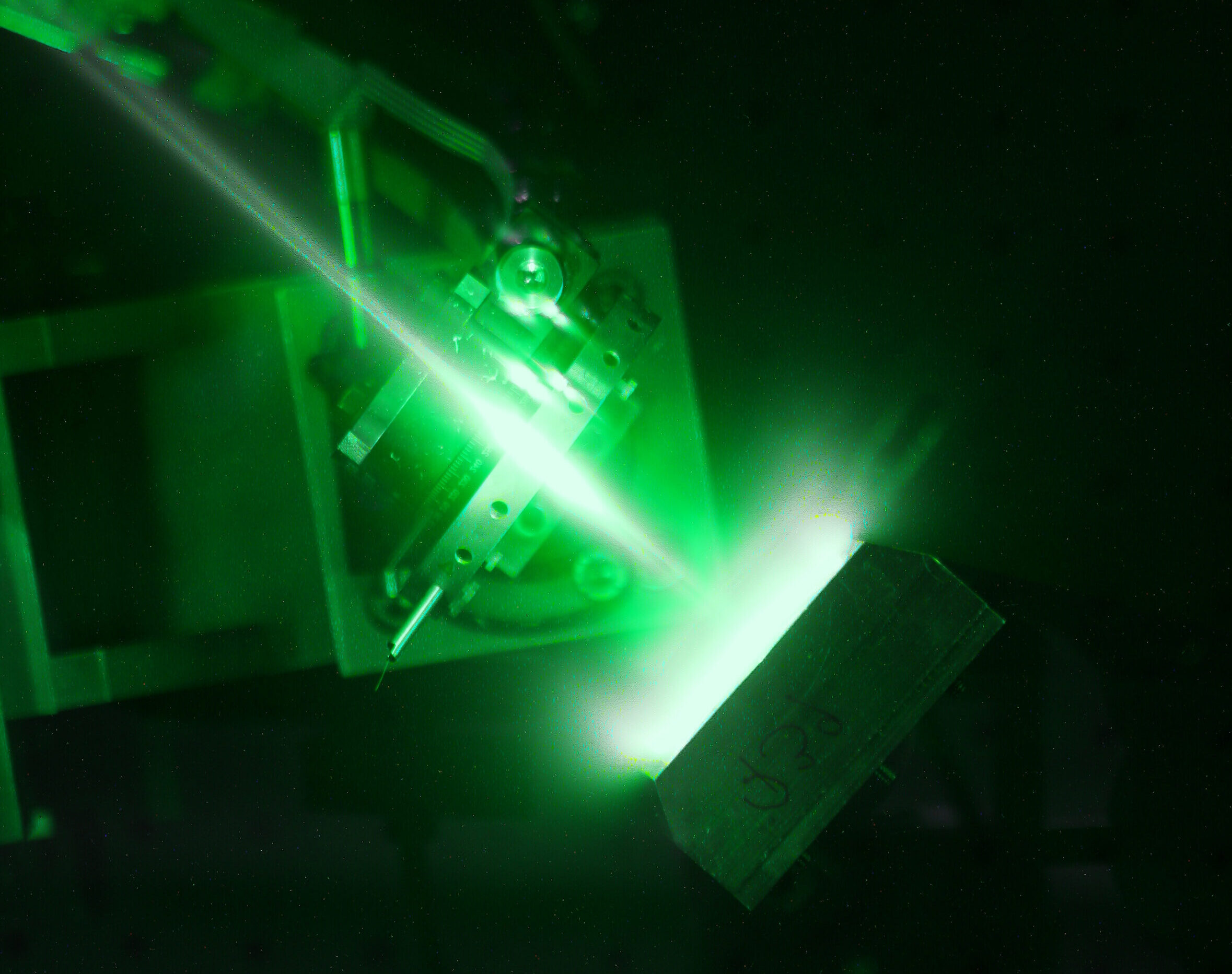
Following the Vulcan 20-20 upgrade, the target areas will provide ultra-high-intensity short-pulse capability at 20PW with pulse durations in the tens of femtoseconds and hundreds of joules of energy.
A complementary VOPPEL beamline will deliver 1PW, also in the tens of femtoseconds with tens of joules.
The facility will also offer six long, high-energy beams with a total energy at the multi-kJ level, pulse shaping, and bandwidth-capable operation.
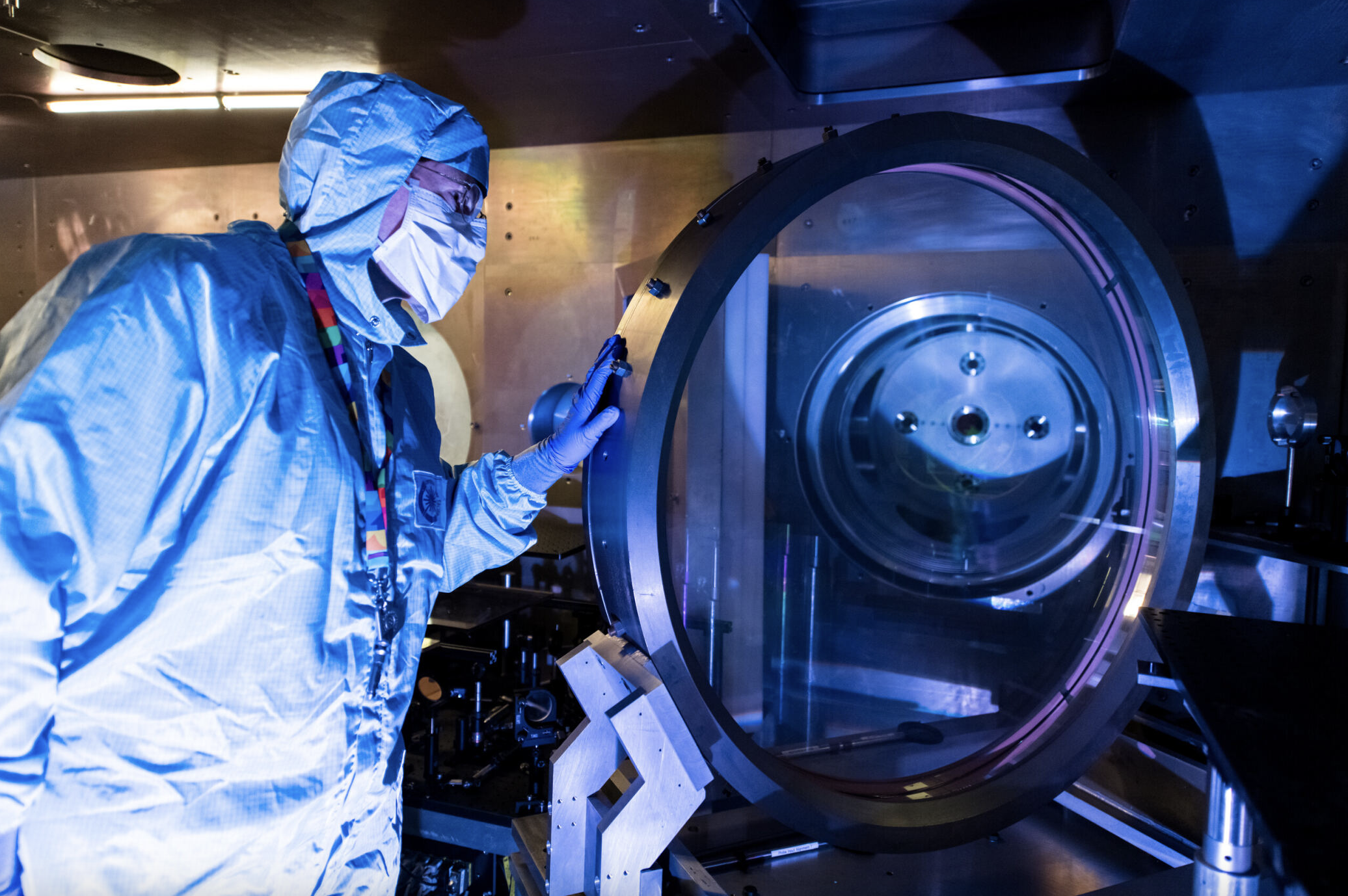
Vulcan Target Area 1 (VTA1) will feature a short focus of approximately F/3 for ultra-high-intensity interactions and will accommodate planar and bi-planar drive configurations for the long pulses.
VTA2 will enable access to alternative focussing geometries, including a larger F-number focusing geometry. VTA2 will also include a split beam configuration aiming at delivering two 8PW beams.
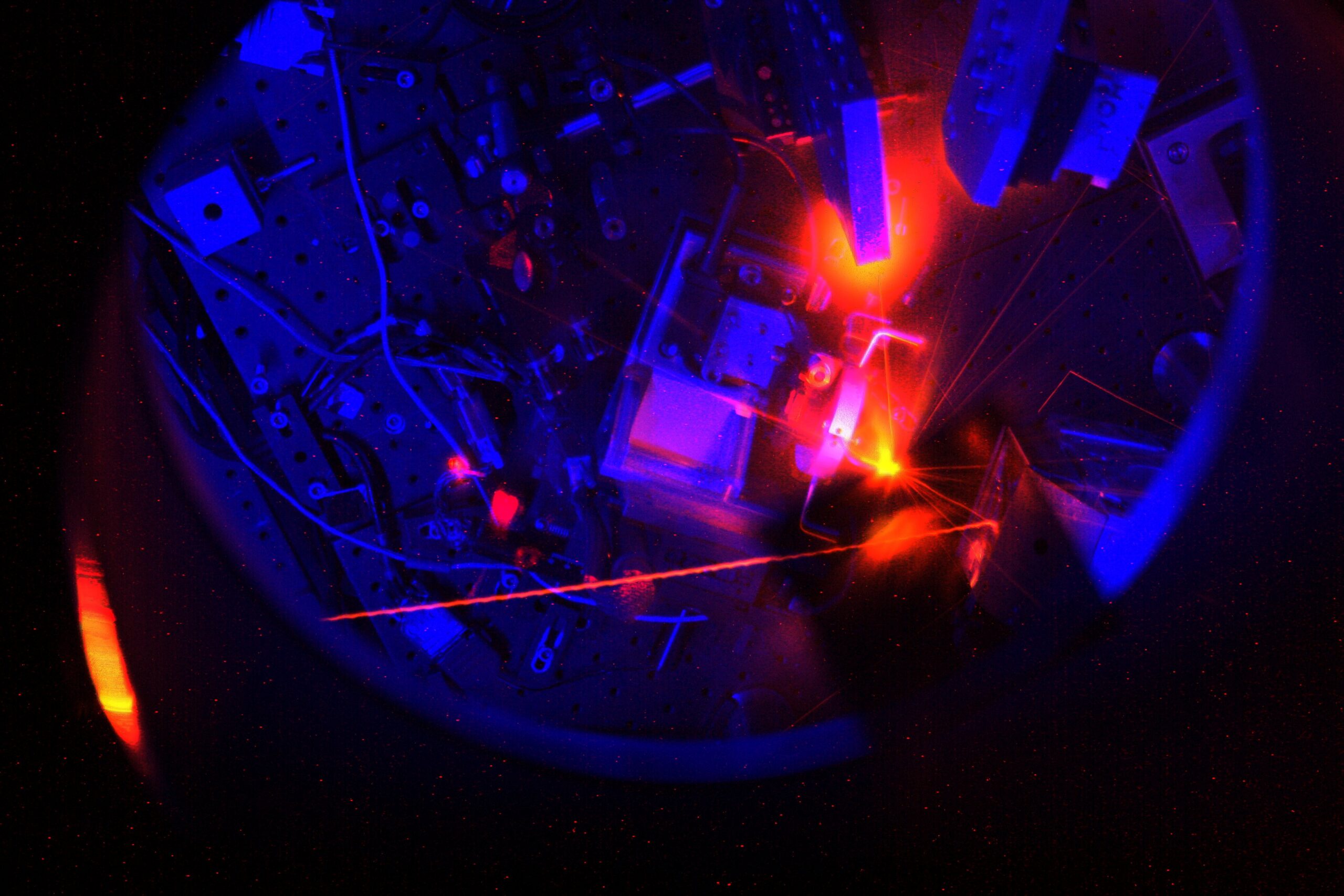
An advanced diagnostics suite will be provided, including:
- laser probing
- laser scattering
- X-ray imaging and spectroscopy
- fast-particle diagnosis for electrons and ions
These diagnostics will support characterisation of the interaction conditions and outputs across the range of envisaged experiments.