HiLUX

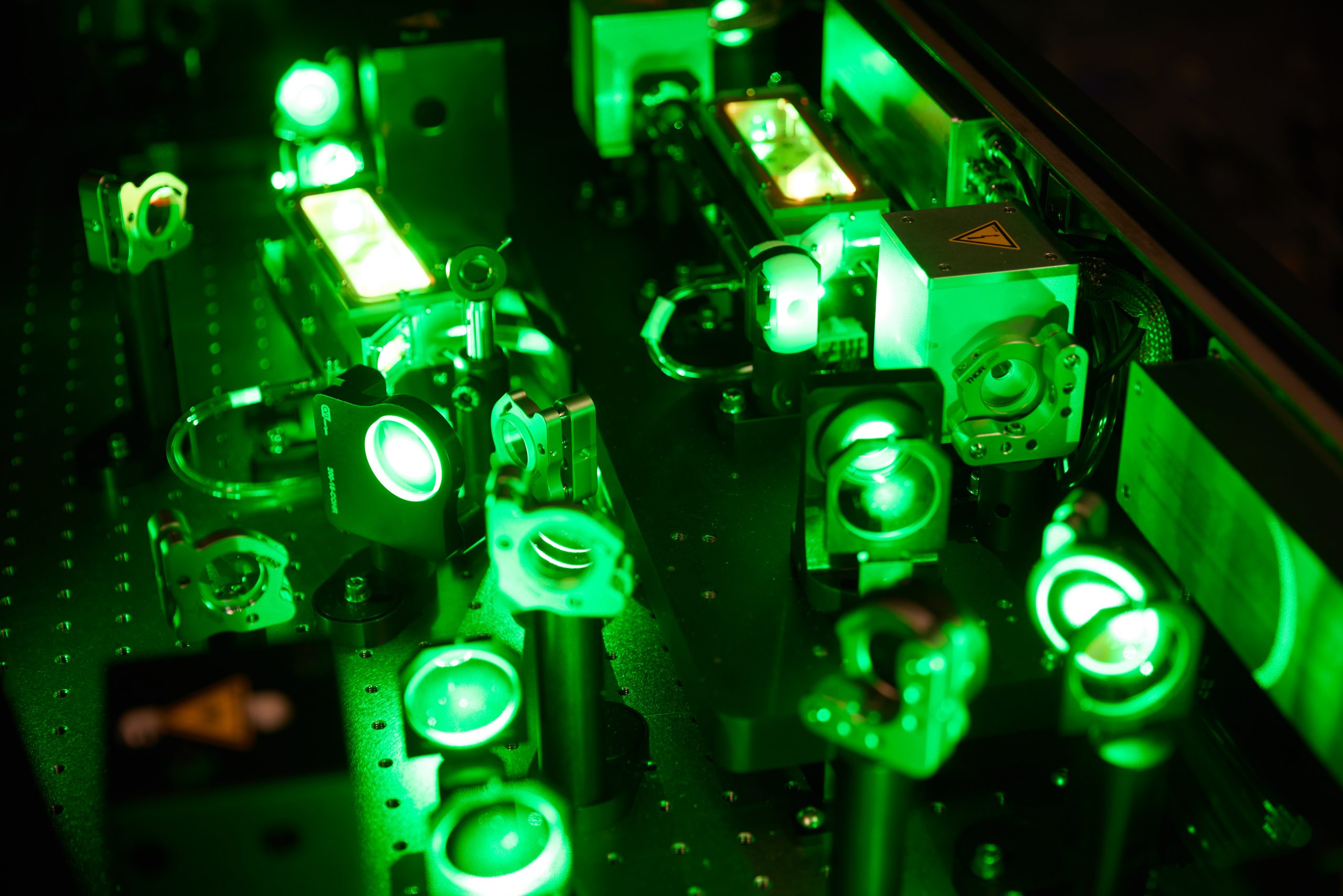
HiLUX is a £17.2M project over five years, started in 2023, to invest in a major transformation of the ultrafast laser and infrared, Raman and XUV spectroscopy infrastructure in the CLF.

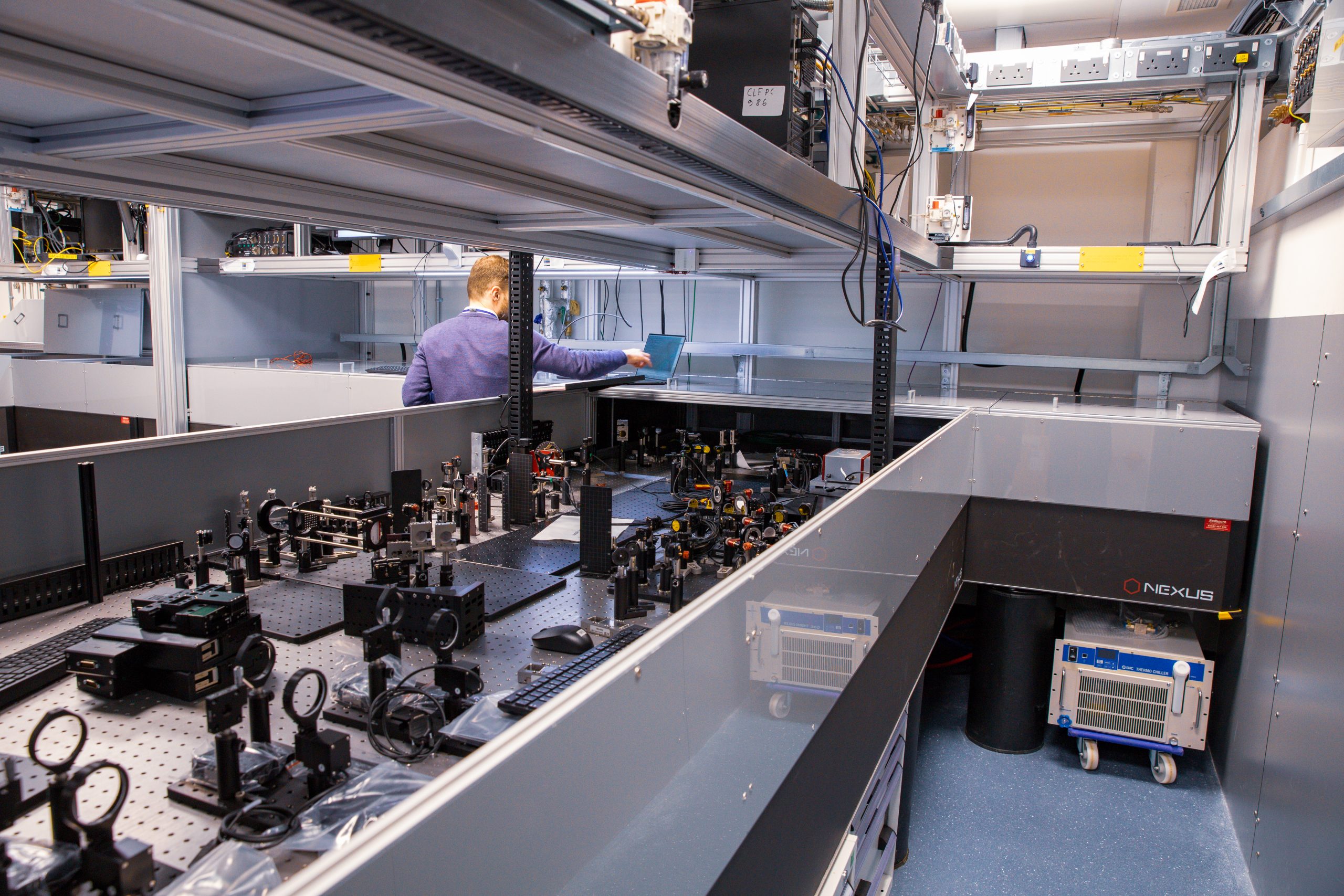
The project provides a new generation of multi-kHz lasers, detectors, sample handling technologies and efficient handling of large data sets. A 10-100 fold increase in average power of lasers drives new “secondary light sources” that can span IR ​to XUV wavelengths. A hundred-fold increase in laser repetition rate and data rate unlocks new science applications and greatly reduce timescales to results. HiLUX provides national-scale facilities for training of young scientists, and will complement UK and international university infrastructure, synchrotron and XFEL large-scale facilities. ​

Key objectives of HiLUX

HiLUX project completely transforms Artemis and Ultra facilities thanks to upgraded instruments and detectors. This offers higher power, faster data collection & improved sample-handling solutions. Key objectives include:

  • providing a world-leading, flexible and resilient facility for ultrafast spectroscopy
  • increasing data rates and spectral coverage
  • enabling full exploitation of the much higher data rates, through new detectors and interfaces for high data volumes
  • enabling studies of industrially and societally relevant systems, through provision of advanced sample handling technology
  • reaching new user communities requiring advances in capabilities such as batteries, data storage and biomolecular interactions, by introducing new capability and lowering barriers to access for non-specialist users
  • maximising our understanding of interconnected ultrafast processes, by enabling study of scientific problems through the widest variety of spectroscopic techniques
  • contributing to advanced skills training (50% of CLF users are PhD students) in experimental and computational science
Applications

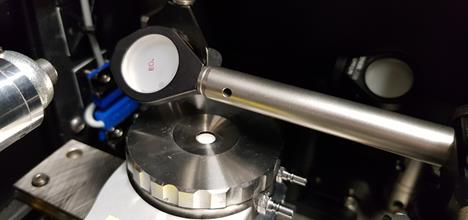
HiLUX enables new research across a wide range of societally, environmentally and industrially important areas, including industrial biotechnology, energy storage, biomedical analysis, quantum devices, catalysis and photovoltaics. A few examples are:   

Catalysis
Biomedical research
Proteins
Computing

Chemical and biological catalysts are at the heart of the multi-billion pound chemical manufacturing industries. HiLUX enables new insights into the ultrafast chemical processes essential to answer unanswered questions about how catalysts work, improve chemical manufacturing and assist in greenhouse gas capture.

The UK is a leader in the development of innovative laser spectroscopy techniques for biomedical diagnostics and analysis. There are also highly innovative opportunities to use advanced spectroscopies in drug design, development and screening. HiLUX provides the step change in spectroscopic performance needed to grow this embryonic research field.

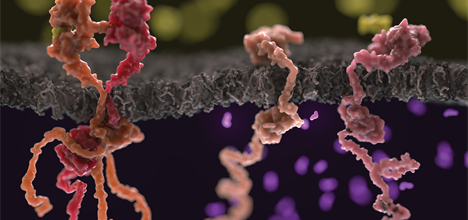
Proteins are key targets for light-driven functions and tools for synthetic biology and industrial biotechnology applications. HiLUX offers the extraordinary sensitivity required to capture the complex interconnected processes in light-activated proteins.

New devices for ultrafast computing and data storage rely on an understanding of how materials respond to ultrafast switching. HiLUX can follow these switching processes in devices in unique detail.

Meet the team

Emily Ross Hicken

Graduate Laboratory Support

Emily works in Ultra as graduate laboratory support, supporting the running of operations and the chemical preparation laboratory.​​​​​

Emma Springate

Artemis Group Leader

Emma has led the Artemis group since it opened to users.

Greg Greetham

Head of Ultra Facility

Greg joined the CLF at the beginning of the STFC & BBSRC funded Ultra project to develop the scientific application of ultrafast lasers and molecular dynamics spectroscopy techniques

Igor Sazanovich

Instrument Scientist at Ultra Facility

Igor joined the CLF in 2013 to support the maintenance​ of the Ultra laboratory infrastructure, to provide visiting scientists technical and scientific support

Lee Benson

Scientific Software Engineer

Lee’s academic background is in mathematics and statistical analysis. He got his PhD in 2021 from the University of Stirling on the mathematical epidemiology of waterborne infectious disease. Following his PhD, he worked as a postdoc on the National Core Study PROTECT programme for the Department of Civil Engineering, University of Leeds, quantifying risks of […]

Marta Szynkiewicz

Laboratory Manager at Ultra Facility

Marta coordinates Ultra Facility operations and manages the Chemistry and Instrumentation Laboratories.

Mike Towrie

Ultra Strategy Development (Semi-retired)

Mike joined the CLF in 1989 and his research has centred on development and scientific application of lasers, detectors and spectroscopic and imaging instrumentation including the Raman Kerr-Gate.

Partha Malakar

Instrument Scientist at Ultra Facility

Partha obtained his PhD in physical chemistry from the Department of Chemistry of the Indian Institute of Technology Madras in 2017.