Octopus

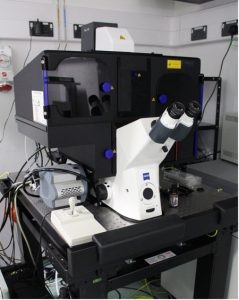
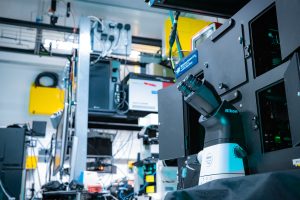
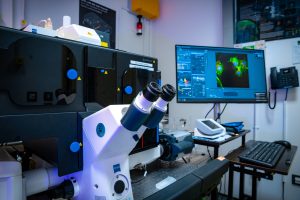
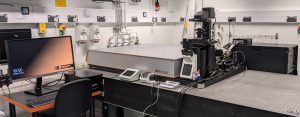
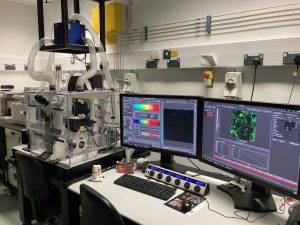
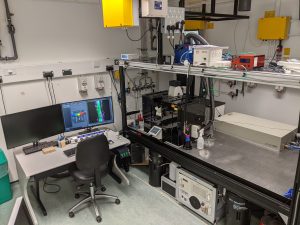
Octopus is a unique user facility with a suite of advanced light and electron microscopes for use in the life, environmental, and materials sciences.

Overview

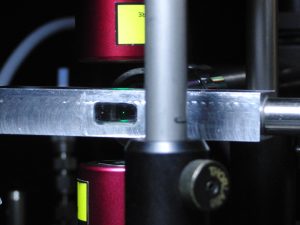
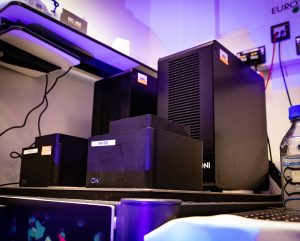
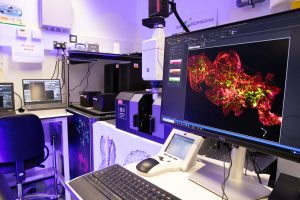
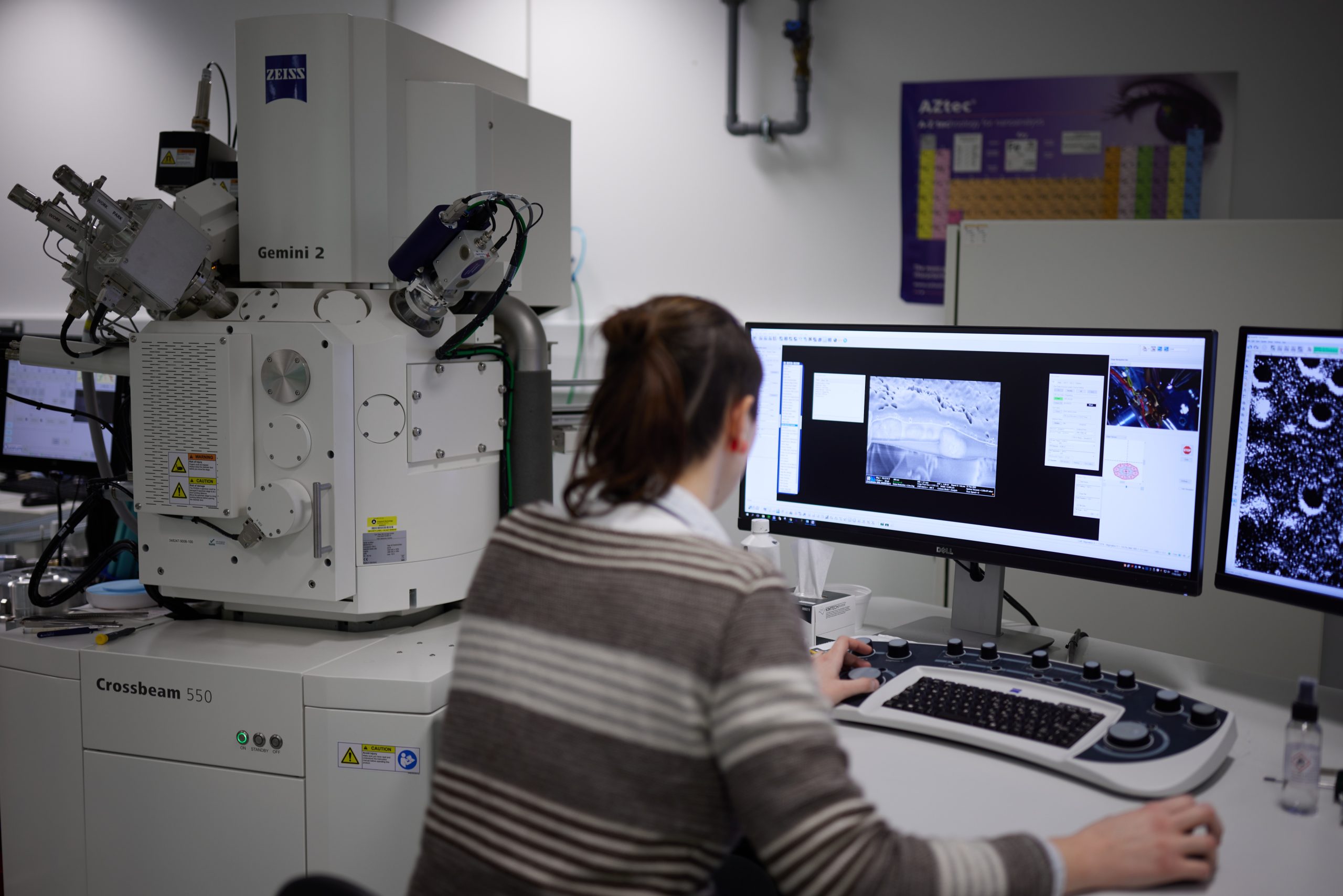
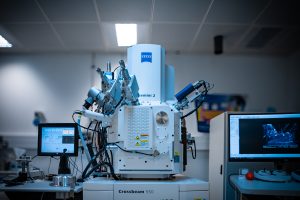
Octopus is a unique, advanced bioimaging facility for the micrometre to nanometre resolution range, providing a mixture of inhouse built and commercial systems. The variety of multicolour light sources in Octopus gives the flexibility to combine multiple beams, multiple colours and timing capabilities. This capability is augmented by scanning electron microscopes and cryogenic temperature imaging. 
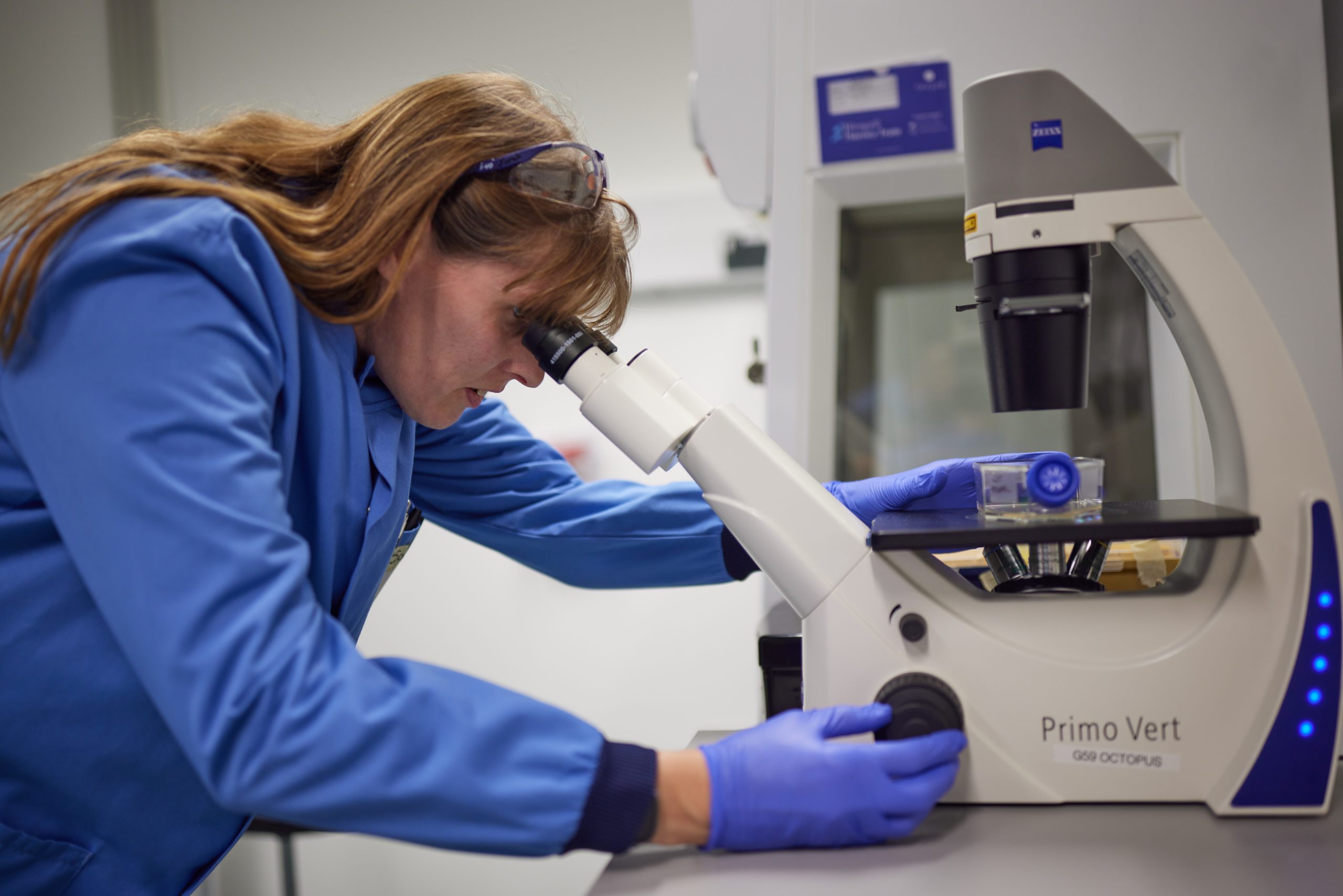
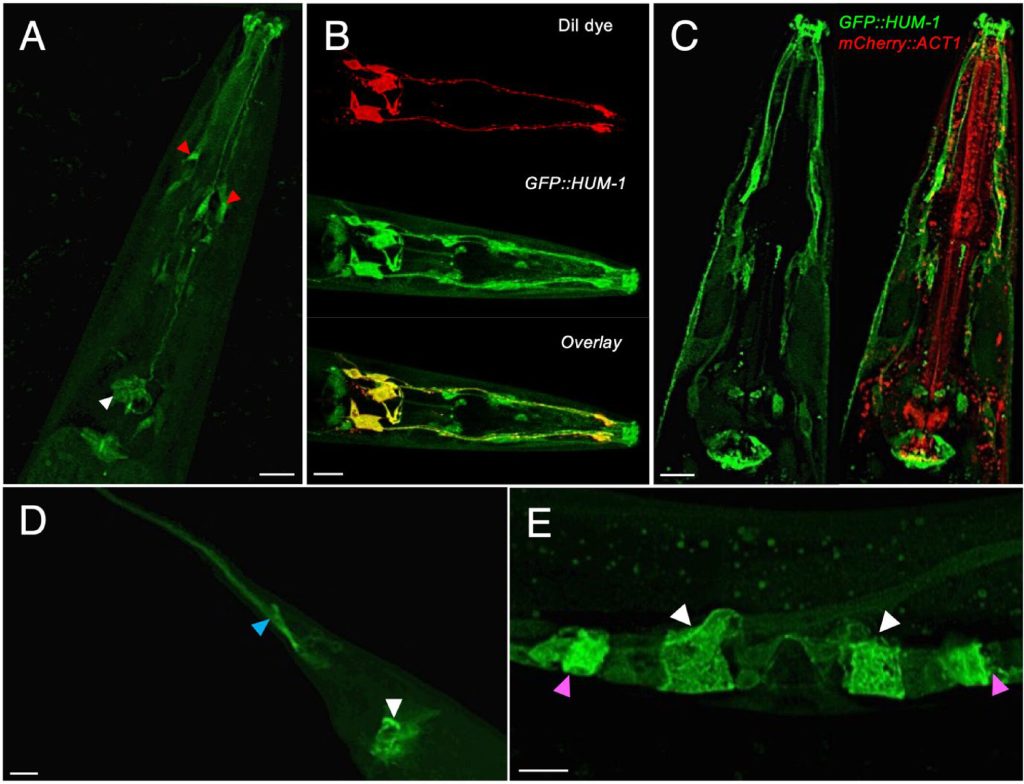
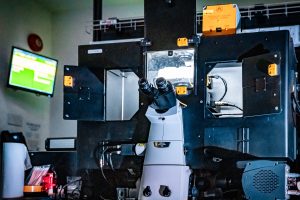
Octopus offers a range of imaging techniques including several modes of multidimensional single molecule microscopy, super-resolution microscopy, multiphoton microscopy, fluorescence and phosphorescence lifetime imaging microscopy, and lightsheet microscopy. Moreover, Octopus provides optical tweezers for laser trapping experiments.  

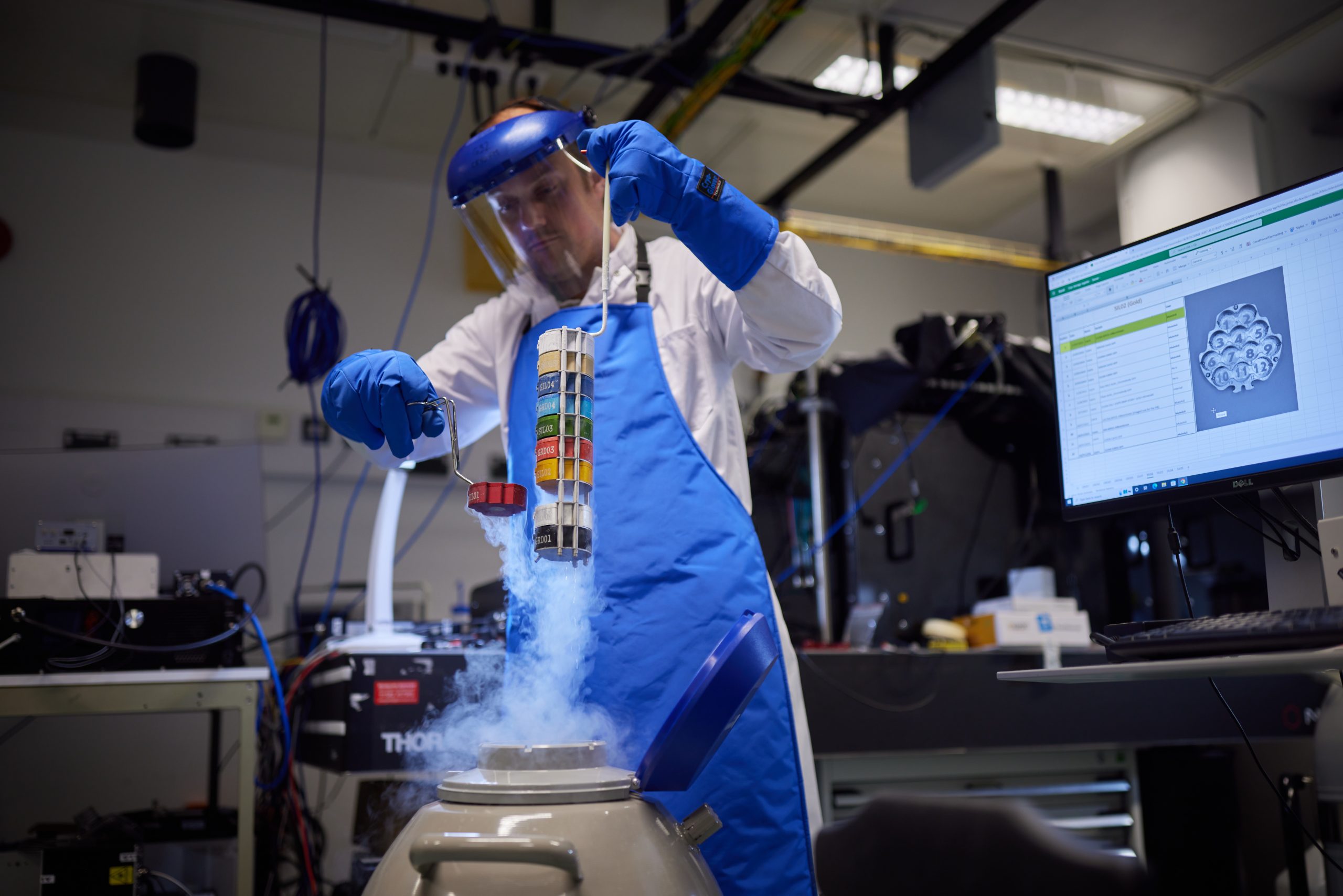
The modular nature of Octopus allows the development and exploitation of new advanced imaging techniques as they become available, to address grand challenges in the life, environmental and materials science areas. Octopus promotes correlative imaging that allows the combination of several imaging modes to further enhance experimental outputs. 
Applications
Drug and disease research
Environment and clean energy
Fundamental research

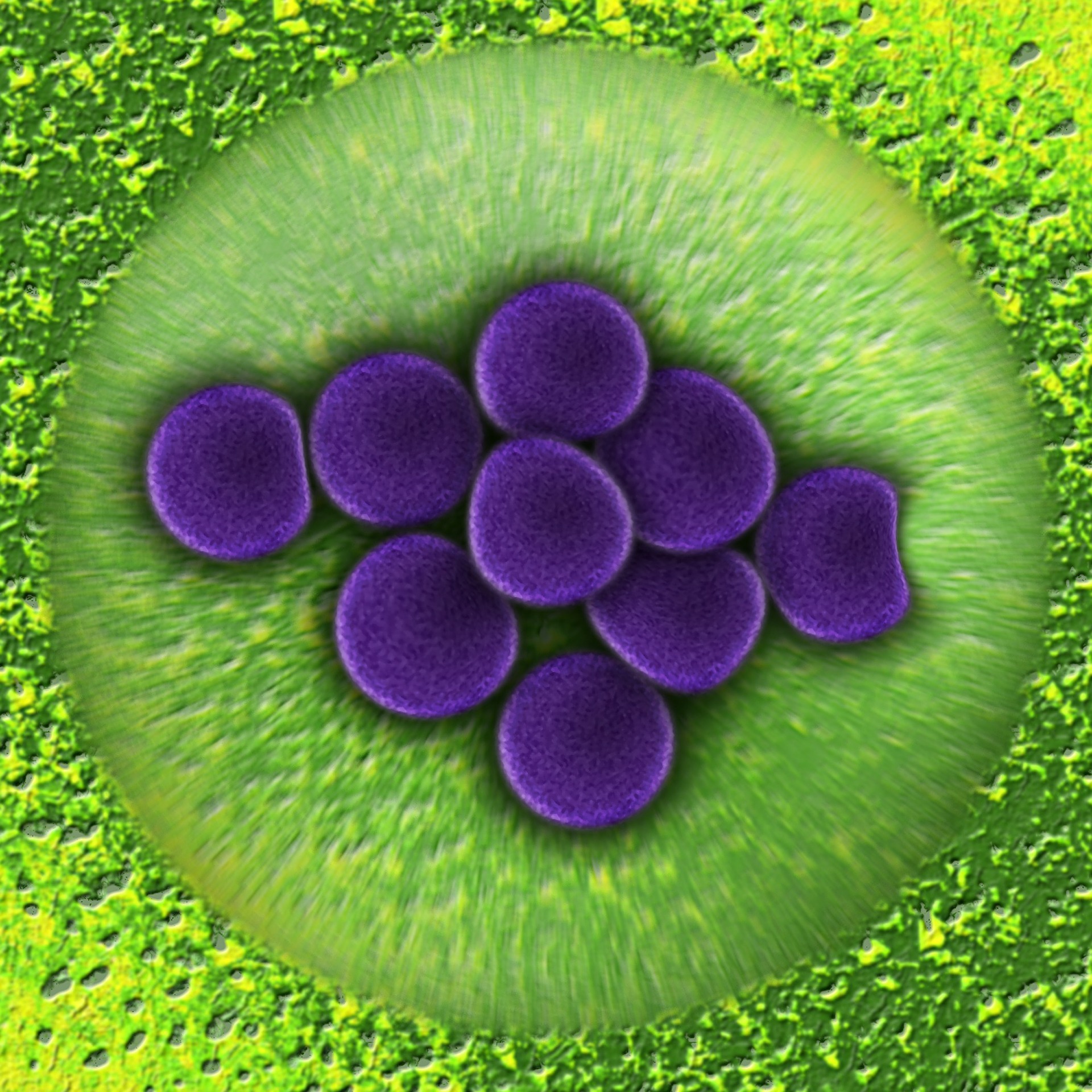
Octopus’ array of imaging techniques allow for a multitude of research into how diseases in plants and animals work, their true effects, and what we can do to prevent them. Over the years, CLF scientists and users have studied cancers, degenerative diseases, aging, how environmental factors affect our bodies, and many more.

Octopus has also been home to years of research into drug discovery, development and analysis, including helping to find potential new antibiotics to combat superbugs, exploring new cancer treatments, and developing techniques for personalised medicine.

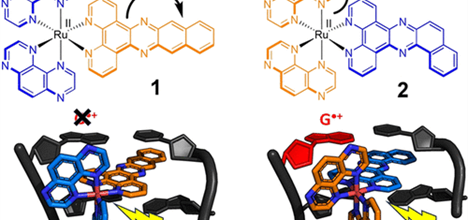
Octopus helps conduct research into clean energy production methods such as solar cells and the potential for artificial photosynthesis.

We also facilitate research into environmental concerns such as pollution. Airborne pollution has long been established as a major issue for the health of people, animals and plants. However, more needs to be understood about what is remaining in the air, for how long, and its potential effects on the environment.

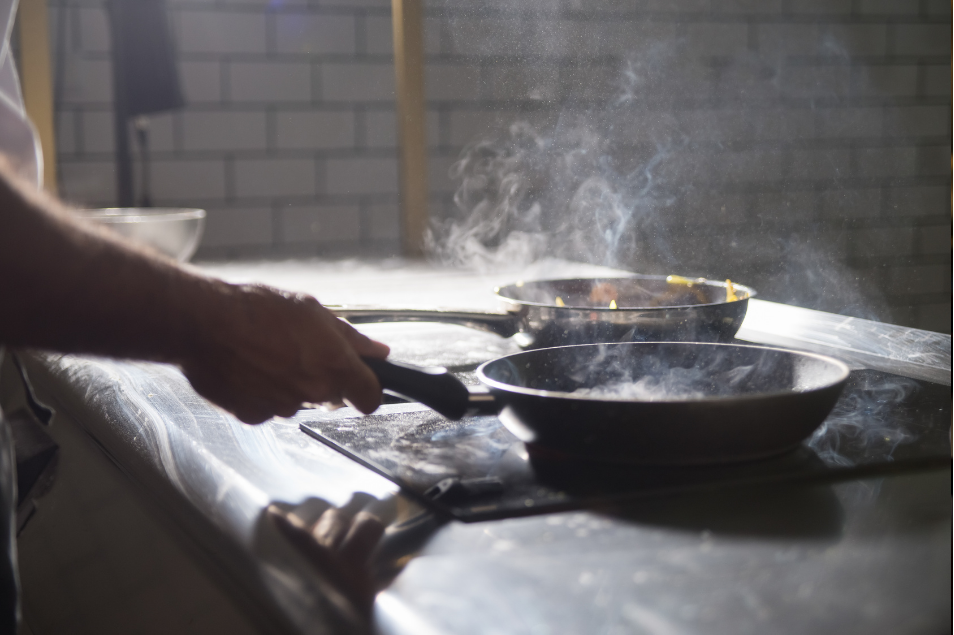
Techniques such as optical trapping give us the ability to study aerosolised pollution without affecting the natural structure of the particle. Scientists and users at Octopus have studied the impact of cooking oils as airborne pollutants, helped map the makeup of airborne particles across the globe, and shown evidence that diesel fuel particles can cross the Blood-Brain Barrier.
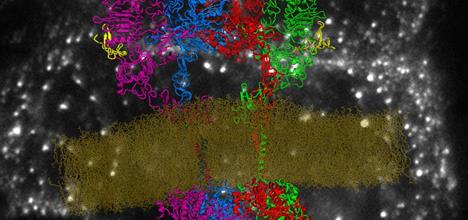
As with all CLF facilities, Octopus conducts and facilitates an array of fundamental research. This helps us answer the seemingly small, niche questions important to advancing our knowledge of a field in general, and to create the foundations on which breakthroughs could one day stand.
Meet the team

Thomas Dzelzainis

Senior Scientist

Thomas studied Physics as an undergraduate at Imperial College London, and went on to do a PhD and subsequent post-docs in Laser-Plasma Interactions at Queen’s University Belfast.

Stanley Botchway

UKRI-STFC Fellow and Research Lead

Stan joined the CLF in 1998 as the Laser Microscopy and Imaging Facility Manager and Biosciences Lead following a Postdoctoral fellowship at Harvard Medical School.

Selene Roberts

Senior Scientist

Selene joined STFC in 2005 and the CLF in 2008. Her research aims to combine many scientific tools to advance understanding within the area of cancer cell biology.

Sarah Needham

Link Scientist? STFC Senior Scientist?

Sarah joined STFC as a postdoctoral researcher in 2005 and the CLF in 2008.

Robert Lees

Link Scientist

Robert provides scientific and technical expertise and support to academic and industrial partners for all aspects of their microscopy experiments, from design to acquisition and analysis.

Michael Hirsch

Senior facility scientist (data analysis)

Michael joined the CLF in 2009. He is part of the data analysis team of the Octopus.

Matthew Tang

PhD Scientist

Matthew works on super-resolution imaging of mammalian cells using stochastic optical reconstruction microscopy.

Marisa Martin-Fernandez

Senior STFC fellow

Marisa joined the CLF in 2008. Her research is geared to understanding the intricate network signalling behaviour of cells in their physiological environments within tissues.

Lin Wang

Senior Scientist/Professor

Professor Lin Wang is a Senior Scientist at Octopus. He obtained his PhD in Electrical and Electronic Engineering in 2010 from the University of Nottingham.

Laura C Zanetti Domingues

Senior Staff Scientist

Laura (preferred pronouns xe/xem) joined the CLF in 2010 as a joint PhD student in Cancer Studies with King’s College London

Laura Arcidiacono

Scientific Software Engineer

Laura has a background in Applied Physics with a focus in soft condensed matter and crystallography.

Gea T. van de Kerkhof

Electron Microscopist

Gea joined Octopus in 2024 as an electron microscopist, working on technical development for FIB-SEM lift-outs in cryogenic Correlative Light and Electron Microscopy.

Esther Garcia Gonzalez

Microscopy Link Scientist

Esther joined the CLF in 2022. She leads the user applications for the Stimulated Emission Depletion (STED) microscope.

Dave Yeeles

Scientific Software Engineer

Dave joined the CLF in 2024 and works as a scientific software engineer for Octopus.

Dave Clarke

Senior STFC fellow

Dave is a biochemist with expertise in the development and application of imaging and spectroscopy methods for biological research.

Christopher Tynan

Senior Link Scientist

Since 2022, Chris has been in charge of the CLF’s new Abberior-Instruments MINFLUX system, the only commercial MINFLUX system currently in the UK. 

Benji Bateman

Senior Scientist

Benji joined the CLF in 2009 as a physics graduate and has since specialised in advanced microscopy instrumentation and technique development.

Ben Davis

Data Scientist

Ben joined Octopus in 2019 as a Senior Scientific Software Developer…